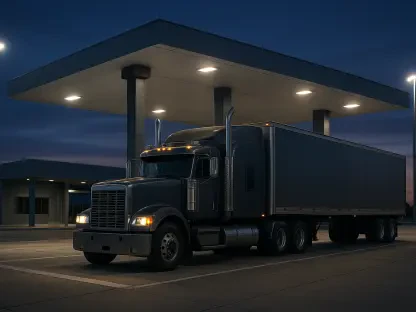

A widening gap between falling crude oil prices and record-high diesel costs reveals a critical bottleneck within the regional and global refining infrastructure. This imbalance came to a head in late September 2026, when Governor Greg Abbott was forced to issue a 30-day statewide disaster declaration to protect the industrial core of Texas. The statistics are jarring: diesel prices, which sat comfortably at $3.17 just a year ago in September 2025 and $3.30 in early February 2026, surged to a historic high of $5.86 per gallon. This price hike is not merely a number at the pump; it represents a fundamental threat to the logistics and agricultural sectors that sustain the state. As the primary energy source for high-capacity freight and farming machinery, expensive diesel drives up the cost of every item moved by truck or harvested by tractor. The emergency order seeks to stabilize these vital industries by modifying regulatory hurdles that currently restrict supply or increase operational overhead during this volatile period.
Emergency Policy Adjustments and Regulatory Waivers
Tactical Measures: The Shift to Dyed Diesel
The most striking administrative change involves the temporary authorization for commercial transport vehicles to utilize dyed diesel on public highways. Under standard conditions, this fuel is chemically marked with a red dye to distinguish it as tax-exempt, strictly reserved for off-road machinery like construction excavators and agricultural combines. By permitting highway vehicles to tap into this reservoir, the state effectively circumvents the immediate financial burden of the 20-cent-per-gallon road fuel tax without requiring a permanent legislative repeal. This maneuver provides an instantaneous cost reduction for trucking fleets that are currently operating on razor-thin margins. While this does not change the base price of the fuel itself, the removal of the tax component offers a necessary buffer against the spiraling costs of logistics. State officials hope that this added flexibility will prevent carrier bankruptcies and ensure that essential goods continue to flow into urban centers like Houston and Dallas.
Environmental Waivers: Expanding the Supply Pool
Beyond tax-related relief, the state has actively moved to dismantle specific environmental barriers that limit the types of fuel available in the Texas market. A primary focus of the emergency order is the suspension of the Texas Low Emission Diesel (TxLED) rules. While these standards were originally designed to improve air quality by requiring cleaner-burning fuel blends, the current crisis necessitates a transition toward broader federal minimums to ensure any available diesel can reach the consumer. By relaxing these state-specific restrictions, suppliers can import and distribute a wider variety of diesel formulations that would otherwise be prohibited. Furthermore, the Governor has formally petitioned the Environmental Protection Agency to grant a waiver for ultra-low-sulfur diesel requirements. This request seeks to bridge the gap between regional demand and global supply constraints, allowing fuel that meets different international standards to enter the domestic supply chain and provide much-needed liquidity.
The Global and Economic Context of the Shortage
Market Volatility: Understanding the Refining Bottleneck
An analysis of the current market reveals a paradoxical trend where crude oil prices are falling while refined fuel prices continue their upward trajectory. In mid-September, Brent crude oil prices dropped from over $130 per barrel to approximately $115 in just one week, yet diesel costs reached new record highs simultaneously. This disconnect underscores a phenomenon known as refining tightness, where the limitation is not the availability of raw oil but the capacity of refineries to process it into usable middle distillates. Geopolitical factors have played a massive role in this disruption, as ongoing military engagements involving the United States, Israel, and Iran have hampered oil and gas exports for several months. These coordinated actions have created a ripple effect across global supply chains, specifically targeting the refining infrastructure and export hubs that the world relies on for diesel production. This has pushed the cost of refined products to levels unseen since 2022, creating a persistent global deficit.
Actionable Outcomes: Building Toward Future Resilience
The state managed the immediate fallout by implementing increased weight limits for trucks hauling fuel and agricultural products, which optimized the volume of goods moved per trip. This strategy allowed carriers to consolidate loads and reduce the total number of journeys required, effectively lowering the aggregate fuel consumption across the entire logistics sector. As the 30-day window draws to a close, the focus must shift from temporary waivers to permanent enhancements in refining resilience. Diversifying the regional energy portfolio and investing in secondary processing facilities could mitigate future bottlenecks caused by international conflict. Strategic leaders recognized that while the disaster declaration provided a necessary pause, the long-term solution involved a more robust domestic refining strategy that reduced dependence on volatile foreign corridors. Moving forward, Texas demonstrated that infrastructure adaptability and proactive regulatory relief are the most effective tools for weathering supply shocks.