
The rapid scaling of the Damietta-Trieste route serves as a significant indicator of the broader ‘near-shoring’ trend as European companies diversify supply chains away from distant Asian markets. This expansion by the Danish logistics powerhouse, DFDS, represents a profound shift in the maritime landscape of the Eastern Mediterranean, doubling its service frequency from once a week to twice a week. By introducing the Ark Futura to complement existing operations, the company is effectively bridging the gap between North Africa and Southern Europe. This strategic move is not merely about increasing cargo space; it is about creating a predictable and reliable schedule that caters to the evolving needs of global manufacturers and agricultural exporters. As geopolitical and economic pressures force a reconsideration of long-distance shipping routes, Egypt is emerging as a critical industrial partner for the European Union. This corridor represents a permanent fixture in a more resilient and integrated regional trade framework.
Strengthening the Perishable and Industrial Supply Chain
Egypt’s agricultural sector stands to benefit immensely from this logistical upgrade, given its status as a leading provider of fresh produce to the European market. For exporters of highly perishable items like citrus fruits, grapes, and vegetables, the transition to a twice-weekly schedule is a game-changer for maintaining product quality. Previously, a missed departure meant a full week of delay, which could lead to significant spoilage and financial loss. The new Monday and Friday departures from the Port of Damietta ensure that Egyptian farmers can get their goods to European retailers with minimal dwell time at the docks. This increased cadence allows for a smoother flow of goods, enabling Egyptian produce to compete more effectively on shelf life and freshness with domestic European supplies. The reliability of this maritime link provides a stable foundation for seasonal export surges, ensuring that the European consumer has consistent access to Egyptian goods throughout the year.
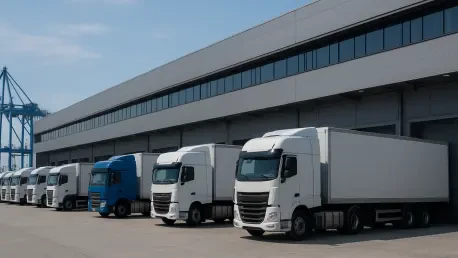
Beyond the agricultural impact, the route serves as a vital artery for Egypt’s burgeoning textile and industrial manufacturing sectors. As European brands look to shorten lead times and reduce the risks associated with trans-Pacific or Suez Canal bottlenecks, Egypt’s proximity makes it an ideal manufacturing hub. The Roll-on/Roll-off (RoRo) model utilized by DFDS is particularly well-suited for these industries, as it facilitates the movement of both accompanied and unaccompanied trailers. This means that finished garments and industrial components can be loaded onto trucks in Cairo or Alexandria, driven to Damietta, and then rolled off in Trieste for immediate dispatch to Central European factories and warehouses. This seamless integration eliminates the need for complex transshipment processes and reduces the overall cost of logistics. By providing a baseload of reliable volume, the textile industry ensures the long-term viability of the route, fostering deeper economic ties between the two regions.
Enhancing Intermodal Connectivity and Regional Resilience
The strategic selection of Damietta and Trieste as the primary nodes for this corridor highlights a sophisticated understanding of regional logistics infrastructure. Damietta is perfectly positioned to serve the industrial heartlands of the Nile Delta, while Trieste acts as a premier rail and road gateway into the interior of Europe, including Italy, Germany, and Austria. By leveraging these hubs, DFDS is able to offer an integrated door-to-door value proposition that goes far beyond traditional port-to-port shipping services. This intermodal approach allows goods to transition effortlessly from the Mediterranean sea lanes to the European rail network, which significantly optimizes the speed of delivery and lowers the carbon footprint per ton-mile. For logistics managers, this means a more predictable and sustainable supply chain that can bypass the traditional bottlenecks of cross-border road transport. The synergy between maritime capacity and inland connectivity is what truly distinguishes this route in the competitive logistics landscape.
The deployment of a dual-vessel system ultimately established a high degree of redundancy and regional resilience for the Eastern Mediterranean trade network. By operating two ships, the supply chain became far better equipped to absorb sudden fluctuations in demand and mitigate the potential impact of port congestion or routine maintenance schedules. This investment proved that DFDS was committed to the long-term economic integration of North Africa and the European Union, moving past the experimental phase of the route into a period of sustained growth. Stakeholders across the Mediterranean took notice of this transition, recognizing that the maritime bridge offered a blueprint for future short-sea shipping expansions. To maintain this momentum, further investments in automated port handling and green energy refueling for the RoRo fleet were prioritized. This proactive approach ensured that the corridor did not just meet existing demand but actively shaped the future of trade by providing the reliable infrastructure necessary for a fast-paced economy.