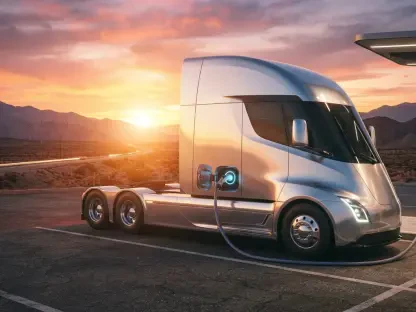

Efficiency measures like route optimization and eco-driving training have become the primary methods for reducing emissions while the industry waits for affordable electric hardware. This current reality, underscored by the 2026 Green Compact survey from the International Road Transport Union and

The transition from convenience-based deliveries to survival logistics is driving the development of second-generation robots with significantly increased payload capacities for bulk essential goods. South Korea is currently spearheading a transformative shift in its logistical infrastructure

Converting fragmented emails, PDFs, and phone notes into structured digital formats enables sophisticated benchmarking and intelligent matching for air cargo shipments. This evolution represents a departure from the historical reliance on manual Request for Quotation processes that often resulted

A single delayed pallet of biologics often carries more financial and clinical value than the specialized aircraft transporting it across international borders, making the shift toward predictive intelligence an urgent necessity. In the current logistical landscape, the ability to merely track a
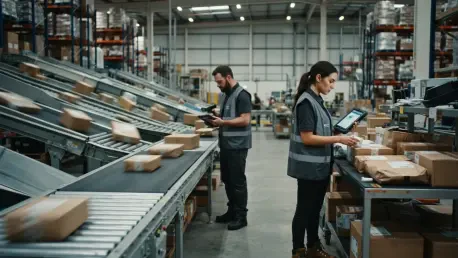
The vulnerability of a logistics operation is highest during its startup phase, making digital workforce readiness tools essential for mitigating operational risk. As the supply chain landscape becomes more complex in 2026, the success of a third-party logistics provider is no longer measured
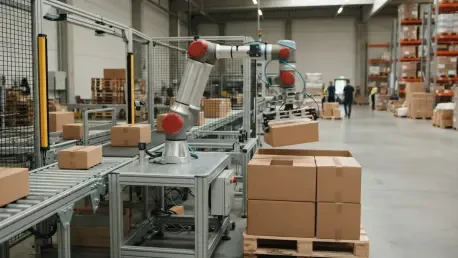
The traditional boundaries between rigid industrial automation and the fluid decision-making processes of the human mind are rapidly dissolving as physical artificial intelligence takes center stage. This technological shift marks a transition from pre-programmed repetition to perception-driven
1 2 3 4 5 6 7 8 9 10 11 12 13 14 15 16 17 18 19 20 21 22 23 24 25 26 27 28 29 30 31 32 33 34 35 36 37 38 39 40 41 42 43 44 45 46 47 48 49 50 51 52 53 54