

The global maritime trade environment in 2026 operates under a permanent state of tactical flexibility where the historical reliability of the Suez Canal has been traded for a multi-nodal risk management strategy that prioritizes supply chain security over sheer speed. This shift marks the end of

The seamless arrival of a handheld gaming console at a customer’s doorstep serves as the final link in a sophisticated global network that frequently obscures the profound digital risks embedded within modern logistical operations. In the current landscape of 2026, the boundaries between a software

Rohit Laila is a seasoned veteran in the logistics industry, boasting decades of hands-on experience that bridges the gap between traditional supply chain management and the cutting-edge technological innovations currently reshaping the sector. As a passionate advocate for modernization, he has
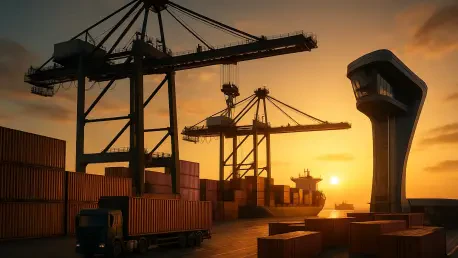
The geopolitical landscape of the Arabian Peninsula is currently experiencing a profound structural realignment as regional powers pivot toward land-based logistics to mitigate the perennial risks associated with the Strait of Hormuz. For decades, the global energy market and regional trade relied

The global landscape of medication production is currently bracing for a seismic disruption that could fundamentally alter how every household in the United States accesses life-saving treatments. As the nation evaluates its vulnerabilities in 2026, a bold trade proposal has emerged aimed at
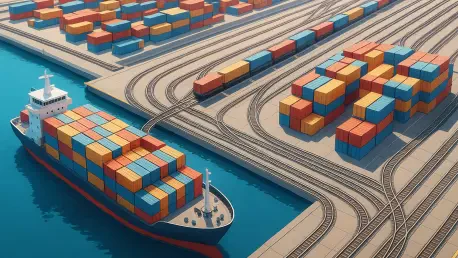
By leveraging the synergy between terminal operators and the International Longshore and Warehouse Union, the Port of Los Angeles is scaling up to manage an influx of diverted trade. As geopolitical instabilities persist across major maritime arteries, cargo owners are increasingly seeking the