
Stationary launchers designed for wildfire resilience identify emerging threats instantly and deploy retardant without the need for human operators to be present on the ground. This evolution in defensive technology, spearheaded by companies such as FireDome, represents a fundamental shift from
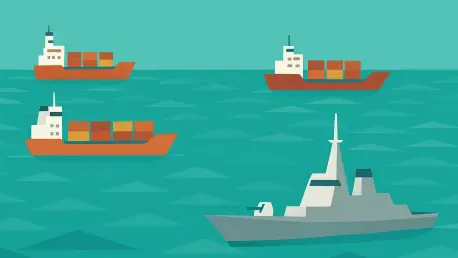
Operation Aspides faces a critical shortfall of high-end frigates equipped with the air-defense systems necessary to counter sophisticated Houthi attacks. The maritime security landscape in the Red Sea has reached a critical turning point as the gap between the European Union’s strategic goals and
Life sciences companies are increasingly utilizing internal think tanks to bridge the gap between global events and micro-level operations. This strategic pivot marks a departure from the decades-long focus on lean manufacturing and hyper-optimized supply chains that once defined the pharmaceutical
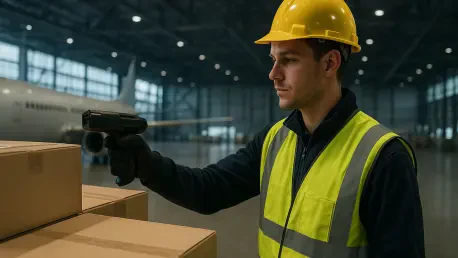
Logistics providers are navigating a high-cost equilibrium where worldwide air cargo rates sit approximately 24% higher than the levels observed in September 2025. This pricing threshold reflects a sector that has moved past post-pandemic volatility into a new era of structural expense, driven by

Despite the urgent need for a new generation of logistical talent, workers aged sixteen to twenty-four currently represent a meager 4.2 percent of the total driving population. This demographic imbalance is not merely a failure of interest from the younger generation but a direct consequence of a

Logistics network operators across the globe are witnessing a silent revolution where traditional bolt cutters have been replaced by malicious lines of code and digital manipulation. As the industry embraces rapid digitalization, organized crime rings are trading physical crowbars for sophisticated