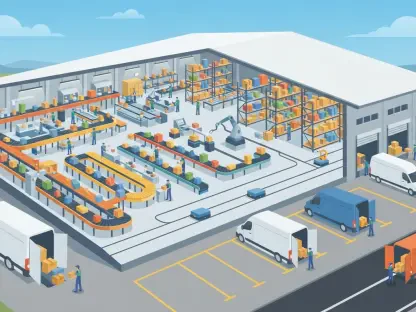

The seamless flow of goods through modern supply chains depends more on the invisible thread of human reliability than on the sophisticated machinery moving pallets across warehouse floors. Warehousing currently serves as the backbone of both physical and digital markets, providing the essential infrastructure required to bridge the gap between global manufacturers and local consumers. From sprawling international fulfillment centers to specialized local distribution hubs, the scale of the industry reflects an unprecedented reliance on centralized storage. As supply chains become more intricate, the integration of advanced inventory management and sensitive customer data systems has transformed warehouses into high-tech environments. Consequently, the human element remains a primary factor in maintaining security, as a diverse workforce manages high-value inventory and operates proprietary machinery daily. Effective vetting has therefore become a prerequisite for maintaining operational continuity and safeguarding a brand’s long-term reputation.
The Vital Role of Logistics in the Modern Global Economy
Logistics has evolved into a highly specialized sector where the speed of delivery is often a company’s primary competitive advantage. The modern warehouse is no longer a static room for boxes but a dynamic environment where inventory is constantly in motion. This shift requires a workforce that is not only physically capable but also technologically literate, as employees interact with complex enterprise resource planning systems. When these systems are compromised, the entire supply chain can grind to a halt, leading to significant financial losses and a breakdown in consumer trust.
The human workforce is the vital link that ensures these sophisticated systems function as intended. However, the diversity of this workforce, often comprising temporary and permanent staff, introduces a layer of complexity regarding personnel security. Each individual granted access to the facility represents a potential point of entry for both physical theft and data breaches. Therefore, the implementation of standardized vetting processes, such as Basic DBS checks, provides a necessary baseline for assessing the reliability of those who handle the most valuable physical and digital assets in the global economy.
Navigating a Rapidly Evolving Supply Chain Landscape
Emerging Technologies and Shifting Recruitment Dynamics
The logistics industry has increasingly leaned into flexible labor models to handle the peaks and troughs of consumer demand. This reliance on shift work and agency staff means that the “time-to-hire” metric is more critical than ever. Automated vetting platforms have emerged as a solution to this pressure, allowing recruitment teams to accelerate background checks without sacrificing the depth of the screening. These platforms integrate seamlessly with government databases to provide rapid results, ensuring that temporary workers can be deployed safely during high-demand periods.
As warehouses transition into digital hubs, the focus of security has expanded from physical stock to sensitive consumer information. Staff members often have access to systems containing payment details, home addresses, and proprietary shipping routes. This digital transformation has forced a shift in recruitment culture toward a more proactive, risk-based approach. Hiring managers are now tasked with identifying individuals who demonstrate a high degree of integrity, as the potential for cyber-related fraud within a logistics framework is just as damaging as the physical removal of goods.
Evaluating Growth Metrics and Workforce Expansion Projections
The surge in e-commerce has led to a projected increase in warehouse demand between 2026 and 2028, requiring a significant expansion of the labor force. Current performance indicators suggest that while the industry is growing, it continues to face high turnover rates and a persistent labor shortage. To attract and retain reliable personnel, companies must balance the need for rapid scaling with the necessity of maintaining high security standards. This environment has made efficient screening a fundamental part of the recruitment strategy, rather than an optional administrative task.
Looking toward the immediate future, the logistics sector is expected to require even more specialized vetting as roles become more technical. The intersection of labor shortages and increased security requirements is driving the adoption of more nuanced screening processes. Organizations are beginning to analyze recruitment data to determine how vetting impacts long-term employee retention. By ensuring that new hires are thoroughly screened from the outset, companies can reduce the costs associated with internal theft and the continuous cycle of rehiring that plagues many high-turnover logistics operations.
Mitigating Internal Risks and Overcoming Operational Vulnerabilities
The stakes of warehouse security are exceptionally high, encompassing risks that range from simple theft to the mishandling of hazardous materials. Internal fraud and the unauthorized redirection of stock remain persistent challenges for management. Furthermore, many logistics operations run twenty-four hours a day, meaning that night shifts often function with minimal direct supervision. This lack of oversight creates a vulnerability that must be addressed through the recruitment process, ensuring that the individuals working in remote or late-night capacities have been verified as trustworthy.
Developing a strategy for role-specific vetting allows organizations to maintain proportionality in their background checks. Not every employee requires the same level of scrutiny; however, those with access to keys, fuel cards, or high-value electronics certainly do. By building a multi-layered security framework, companies can combine Basic DBS checks with internal reporting protocols and on-site surveillance. This approach moves away from a “blanket requirement” and toward a more sophisticated assessment of an applicant’s history, focusing on whether past behaviors are relevant to their specific job duties and the level of risk they manage.
Navigating the Legal Framework for Criminal Record Screening
A Basic DBS check is the most common form of criminal record screening used in the logistics sector, primarily because it focuses on unspent convictions and conditional cautions. This level of disclosure allows employers to see recent and relevant criminal history that has not yet reached the point of rehabilitation. For most roles in a warehouse, this check provides enough information to make an informed decision without infringing upon the privacy of the applicant or violating fair hiring principles.
Compliance with the Rehabilitation of Offenders Act 1974 is vital for maintaining an ethical recruitment process. This legislation ensures that individuals with minor or older convictions are not unfairly excluded from the workforce once their offenses are considered “spent.” In contrast, the Sentencing Act 2020 dictates that certain serious offenses will always be disclosed, providing a necessary safeguard against individuals who may pose a significant risk to safety or security. Aligning recruitment policies with these legal standards ensures that companies remain transparent and legally compliant while protecting their physical and digital infrastructure.
The Next Frontier of Warehouse Security and Human Capital
The industry is moving toward a more holistic model of risk management that prioritizes a positive workplace culture alongside formal background checks. Innovation in identity verification, including the potential use of digital credentials and blockchain technology, is set to redefine how vetting is conducted in the coming years. These technologies could provide a more secure and immutable way to verify an individual’s history and qualifications, further reducing the risk of fraud in the recruitment process. Such advancements will likely become standard as global economic conditions continue to fluctuate, making labor availability and security even more critical.
Anticipating market disruptors is essential for staying ahead of security challenges. As automation and artificial intelligence take over more routine tasks, the remaining human roles will likely involve higher levels of responsibility and technical access. This shift will increase the importance of social responsibility in hiring, particularly regarding the “second chance” movement. By providing opportunities to rehabilitated individuals while maintaining rigorous screening for current risks, the logistics sector can build a more resilient and ethically sound workforce that reflects the values of a modern society.
Strengthening Industry Integrity Through Strategic Vetting
The relationship between personnel reliability and operational efficiency proved to be the cornerstone of a secure logistics infrastructure. During the recent periods of rapid expansion, organizations that prioritized transparent and objective screening policies were better positioned to manage the risks of internal shrinkage. The analysis of these practices suggested that a well-implemented vetting strategy did more than just filter out high-risk applicants; it established a culture of accountability that permeated every level of the warehouse operation.
Companies that integrated Basic DBS checks into a broader security framework reported long-term benefits, including a measurable reduction in theft and improved asset protection. The move toward role-specific vetting allowed for a more inclusive hiring environment that still protected the most vulnerable parts of the supply chain. Looking ahead, the focus for logistics leaders must shift toward refining these processes, ensuring that vetting remains a tool for empowerment and security rather than a barrier to employment. Building a resilient logistics network required a commitment to both high-tech security measures and the fundamental principles of human integrity.