
The global pharmaceutical industry has reached a pivotal moment where the inherent value of a therapeutic molecule is fundamentally inseparable from the technological ecosystem that preserves its thermal stability during global transit. This transformation marks a departure from traditional logistics, moving toward a sophisticated framework defined by data-driven connectivity. In earlier years, the primary focus was on the physical durability of packaging, ensuring that insulated containers could withstand the rigors of transit. However, as the complexity of drug formulations has increased, the industry has recognized that physical insulation alone is insufficient. The current landscape demands a digital nervous system that provides constant feedback, turning every shipment into a living data stream that informs manufacturers and clinicians of a product’s viability in real-time.
The critical significance of this shift is underscored by the rise of advanced biologics, cell and gene therapies, and highly sensitive GLP-1 formulations that dominate modern treatment protocols. Unlike small-molecule drugs that exhibit relative stability, these large-molecule therapies are exceptionally fragile and possess narrow thermal windows. A deviation of even a few degrees for a brief period can trigger protein denaturation or molecular degradation, rendering the medicine ineffective or potentially harmful to the patient. Consequently, protecting the integrity of these formulations has become a primary objective for stakeholders across the supply chain, as the financial and clinical stakes associated with product loss have reached unprecedented levels.
Major market players and specialized global distribution networks are now at the center of this technological evolution. The role of the traditional logistics provider has expanded to include the management of complex digital infrastructures. These entities are no longer just movers of boxes; they are custodians of data who utilize specialized networks to ensure that sensitive cargo moves through “green lanes” optimized for speed and thermal safety. The influence of these global networks is profound, as they set the standards for handling, storage, and handoff procedures that are adopted worldwide. By centralizing visibility and control, these players have successfully reduced the volatility associated with international shipping.
This transition has effectively moved the cold chain from being a secondary logistics concern to a core pillar of drug security and patient safety. In the past, temperature-controlled shipping was often treated as an added cost or a specialized niche. Today, it is recognized as a fundamental component of the product itself. Without a verified and secure cold chain, a drug cannot be considered safe for administration. This realization has prompted massive investments in infrastructure and technology, reflecting a broader commitment to building a resilient and transparent supply chain that can support the next generation of medical breakthroughs.
Emerging Technological Drivers and the Expanding Economic Scope of the Cold Chain
Shifting From Reactive Monitoring to Continuous Real-Time Visibility
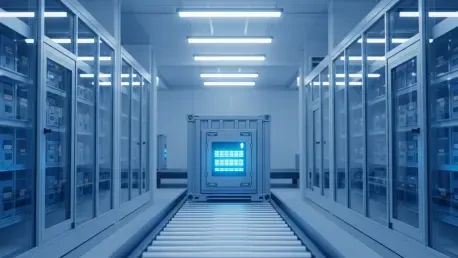
The most significant advancement in recent years is the widespread adoption of IoT-enabled telemetry that provides continuous visibility into the status of a shipment. By integrating cellular and satellite sensors directly into the shipping containers or onto individual pallets, logistics managers can now monitor temperature, humidity, light exposure, and physical shock as it happens. This move beyond “forensic reconstruction” represents a fundamental change in philosophy. Previously, companies would use passive dataloggers that recorded information throughout the journey, but this data was only accessible once the shipment reached its destination. If an excursion occurred, the product was often already compromised, leaving the manufacturer with no choice but to discard the shipment.
Active intervention is now possible because real-time data allows for proactive shipment rerouting and immediate response to environmental threats. For example, if a sensor detects a rise in temperature due to a malfunctioning refrigeration unit, the system can automatically alert the carrier to move the shipment to a backup cold room or replenish dry ice before the critical threshold is reached. Moreover, this connectivity enables logistics teams to identify bottlenecks at handoff points where products are most vulnerable. By receiving alerts at the moment a shipment leaves a controlled environment, managers can intervene to prevent prolonged exposure to unfavorable conditions, thereby ensuring that product efficacy is never in question.
Continuous monitoring also provides a wealth of data that can be used to improve future operations. By analyzing the performance of different lanes and carriers under varying conditions, companies can refine their shipping protocols. This active feedback loop ensures that the cold chain is constantly evolving and becoming more robust. Furthermore, the ability to provide a verifiable record of a product’s environment from the point of manufacture to the point of care builds trust among regulators, healthcare providers, and patients. It creates a transparent chain of custody that is essential for the distribution of high-value, life-saving medicines in an increasingly complex global market.
Quantifying the Growth: Market Dynamics and the Financial Stakes of Thermal Integrity
The global temperature-controlled logistics sector is experiencing a period of robust growth, driven by the increasing volume of temperature-sensitive pharmaceuticals. Current market data for 2026 indicates that the demand for specialized cold chain services is expanding at a significant rate, outpacing general pharmaceutical logistics. This growth is closely tied to the explosion of the biologics market, which now accounts for a substantial portion of the total industry value. As more complex therapies move through the pipeline, the need for specialized infrastructure, including ultra-cold storage and advanced thermal packaging, continues to rise.
The financial stakes associated with maintaining thermal integrity are enormous. Product loss due to temperature excursions remains a multi-billion-dollar challenge for the industry. However, the application of new technologies is beginning to move the needle toward a more efficient and less wasteful system. Projected growth in the biologics sector suggests that the demand for cold chain capacity will continue to escalate through 2028 and beyond. Companies that invest in advanced monitoring and automated handling systems are better positioned to capture this market share while minimizing the risks of costly write-offs. The economic impact of reducing product waste is not just about saving money; it is about ensuring that limited medical resources reach the patients who need them.
Forward-looking forecasts suggest that the integration of artificial intelligence and machine learning will further optimize the economic scope of the cold chain. By predicting demand patterns and identifying the most efficient shipping routes, these technologies can reduce operational costs and improve service levels. Additionally, the move toward sustainable packaging and reusable shipping containers is helping to lower the total cost of ownership while addressing environmental concerns. As the industry matures, the focus is shifting from simple cost management to the creation of value through enhanced reliability and speed. The financial success of future pharmaceutical products will depend largely on the efficiency and security of the distribution networks that deliver them.
Overcoming Structural Obstacles and Technical Vulnerabilities in Global Transit
One of the most persistent challenges in global logistics is the “interoperability constraint,” which refers to the difficulty of sharing data across different platforms and stakeholders. Despite the availability of advanced sensors, data often remains trapped in legacy silos, preventing a truly seamless view of the supply chain. Manufacturers, carriers, and third-party logistics providers frequently use different software systems that do not communicate effectively with one another. To overcome this hurdle, the industry is moving toward standardized data exchange protocols. By creating a unified digital language, stakeholders can ensure that critical information about a shipment’s condition is accessible to everyone who needs it, regardless of the platform they use.
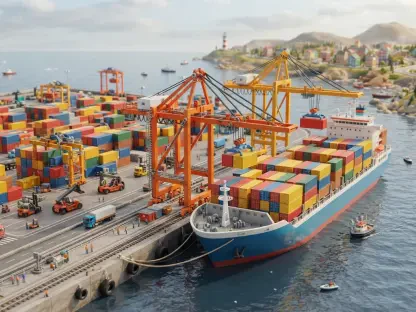
Mitigating the risks of “dwell times” at customs and high-traffic shipping hubs is another area of intense focus. These locations are often the “weak links” in the global cold chain, as shipments can sit on tarmacs or in non-refrigerated warehouses for extended periods during inspections or transfer delays. Targeted automation is being deployed to streamline these processes. For instance, digital customs clearance and automated document verification can significantly reduce the time a shipment spends in limbo. By speeding up the movement of goods through these bottlenecks, companies can minimize the risk of temperature excursions and ensure a more predictable delivery schedule.
The “last mile” hurdle remains a significant technical vulnerability, particularly as medicine becomes more decentralized and direct-to-patient deliveries become more common. Securing the final leg of the journey requires a combination of specialized packaging and localized delivery networks that understand the sensitivities of pharmaceutical products. Decentralized medicine, such as home-administered gene therapies, requires a level of precision that traditional courier services may not provide. Solutions such as smart lockers with temperature control and specialized local hubs are being developed to bridge this gap. These innovations ensure that the high standards of the global cold chain are maintained all the way to the patient’s doorstep, regardless of the geographic location.
The Regulatory Framework: Harmonizing Security Mandates With Technical Standards
The regulatory environment is becoming increasingly stringent, with a focus on package-level traceability and environmental accountability. The Drug Supply Chain Security Act (DSCSA) has played a pivotal role in this shift, mandating an electronic, interoperable system to track and trace certain prescription drugs as they are distributed. This law requires that every handoff in the supply chain be documented, creating a transparent record of ownership and handling. For cold chain products, this means that temperature data must be integrated into the traceability record. Compliance is no longer just about knowing where a product is; it is about proving that the product was maintained under the correct conditions at every step of its journey.
Aligning cold chain visibility with GS1 EPCIS standards is essential for creating a unified “electronic language” across the supply chain. These standards allow different companies to share information about the movement and status of products in a way that is consistent and easily understood. By adopting these global standards, the pharmaceutical industry can achieve a higher level of interoperability and reduce the friction associated with international trade. This standardization is particularly important for temperature-sensitive products, as it ensures that environmental data is captured and shared in a format that meets regulatory requirements worldwide.
Global guidance from organizations like the World Health Organization and the IATA CEIV Pharma program is also helping to standardize handling competency. These programs provide a framework for certifying that facilities and personnel are capable of handling sensitive pharmaceuticals according to best practices. As regulatory pressures continue to mount, the line between environmental monitoring and verifiable chains of custody is blurring. Regulators are increasingly demanding that companies demonstrate a proactive approach to risk management, using data to identify and mitigate potential threats before they impact product quality. This holistic approach to security is becoming the standard for the industry.
Pioneering the Future: Predictive Analytics and Autonomous Operational Hubs
The application of predictive analytics is revolutionizing how pharmaceutical companies validate their shipping lanes. By utilizing pattern recognition and historical data, logistics managers can now perform intelligent lane validation that accounts for a wide range of variables. Instead of relying on a one-size-fits-all approach, companies can use predictive modeling to select the best carriers and routes based on seasonal weather patterns, customs reliability, and historical performance. This data-driven approach allows for the creation of customized shipping strategies that maximize the probability of success. It transforms lane validation from a static, one-time exercise into a dynamic and ongoing process of optimization.
Utilizing predictive modeling also enables companies to “right-size” their packaging and coolants, enhancing both sustainability and operational efficiency. In the past, companies often over-engineered their packaging to account for the worst-case scenario, leading to excessive weight and waste. Today, by understanding the specific risks associated with a particular route, companies can use the precise amount of insulation and coolant needed to protect the product. This not only reduces the carbon footprint of the shipment but also lowers shipping costs. The ability to match the packaging to the actual risk profile of the journey is a significant step forward in the quest for a more sustainable and efficient cold chain.
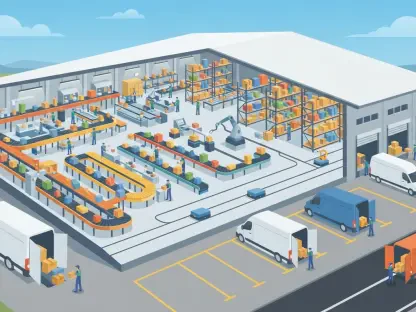
The long-term role of Automated Storage and Retrieval Systems (ASRS) in minimizing human error cannot be overstated. In high-volume distribution hubs, automation is being used to manage the movement of temperature-sensitive products with a level of precision that is impossible to achieve manually. ASRS systems ensure that products are stored in the correct thermal zones and that they are retrieved and packed in a way that minimizes exposure to ambient temperatures. By reducing the reliance on human labor in these critical environments, the industry can significantly decrease the incidence of errors that lead to temperature excursions. This shift toward autonomous operational hubs is a key component of the future cold chain, providing the consistency and reliability needed to support a globalized pharmaceutical market.
Final Perspectives on Achieving an Unbreakable Digital Chain of Custody
The evolution of the pharmaceutical cold chain was defined by a fundamental shift from physical insulation to digital intelligence as the primary differentiator of success. Throughout the recent period, the industry successfully integrated real-time telemetry and predictive analytics into the core of its logistics operations, creating a more resilient framework for the distribution of life-saving medicines. This transition demonstrated that the value of a therapeutic product was no longer just a function of its chemical composition, but also a result of the data-rich environment in which it traveled. The implementation of IoT sensors and continuous monitoring provided a level of transparency that was previously unattainable, allowing for active intervention and the prevention of countless temperature excursions.
Strategic investments in interoperable standards and high-quality telemetry proved to be the most effective way to secure the global supply chain. By adopting universal languages like GS1 EPCIS and adhering to rigorous international standards such as IATA CEIV Pharma, the industry managed to bridge the gaps between disparate stakeholders and legacy systems. This effort resulted in a more cohesive and efficient network that was capable of handling the most sensitive biologics and gene therapies with confidence. The move toward right-sizing and sustainability also highlighted the economic benefits of precision, as companies reduced waste and optimized their environmental footprints without compromising product safety.
Looking ahead, the pharmaceutical cold chain was established as a transparent and resilient engine for global health. The lessons learned during this period of rapid technological adoption provided a clear roadmap for future development. To maintain this momentum, stakeholders must continue to prioritize data integration and the adoption of autonomous technologies that minimize human error. The goal of achieving an unbreakable digital chain of custody remains the North Star for the industry, ensuring that every patient receives a product that is safe, effective, and verified. By continuing to innovate at the intersection of logistics and digital technology, the pharmaceutical sector will ensure that the global distribution of medicine remains as reliable as the science behind it.