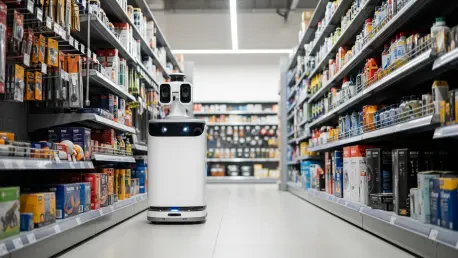
Retailers are increasingly moving away from the inefficiency of manual shelf audits and toward sophisticated autonomous systems that merge computer vision with mobile robotics to achieve unprecedented operational clarity. This technology emerged to address the struggle of managing complex

Despite the rapid acceleration of artificial intelligence capabilities across the global supply chain, a surprising number of modern distribution centers still manage their daily operations using archaic manual processes and disconnected digital silos. This technological stagnation persists even as

The relentless pressure to maintain lean operations while simultaneously shielding against global market volatility has forced modern enterprises to abandon static, one-dimensional inventory strategies. In high-stakes sectors like aerospace, automotive, and high-end electronics, the traditional
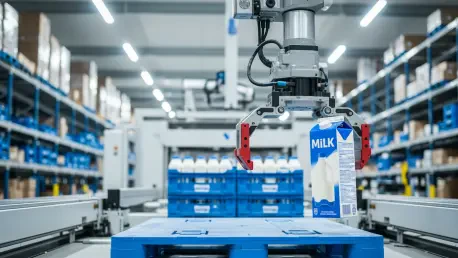
In the fiercely competitive grocery market, the illusion of convenience often shatters when a customer finds their preferred brand of milk is out of stock or when the produce delivered to their door has lost its crispness. While many retailers have poured investment into slick mobile interfaces and
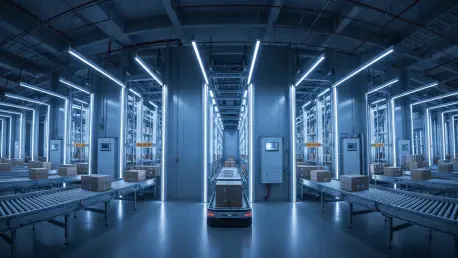
Modern global commerce demands a level of precision and speed that traditional logistics frameworks can no longer sustain without significant technological intervention. As consumer expectations for next-day delivery become the baseline, the logistical burden has shifted from simple storage to
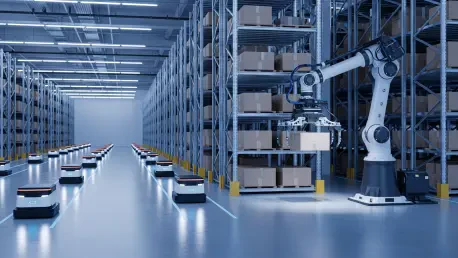
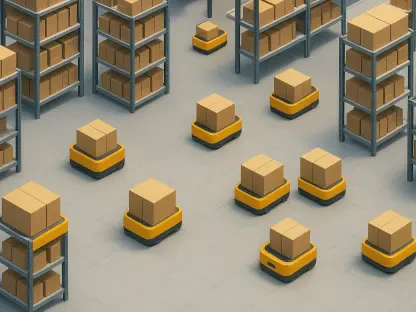
The once-silent corridors of industrial fulfillment centers have undergone a radical metamorphosis, evolving from static storage repositories into vibrant, sentient ecosystems where silicon and steel orchestrate the relentless flow of global commerce with unprecedented precision. This current era