

Management by exception allows logistics staff to ignore thousands of routine movements and focus exclusively on assets that deviate from their planned operational cycles. The modernization of supply chain management has moved beyond simply knowing the coordinates of a shipping container. In

The heavy demand for freight logistics in the Baltic region is being met by ships capable of carrying 5,400 lane meters of trucks and trailers. This shift toward massive capacity and environmental stewardship defines the current maritime landscape, particularly for operators navigating the
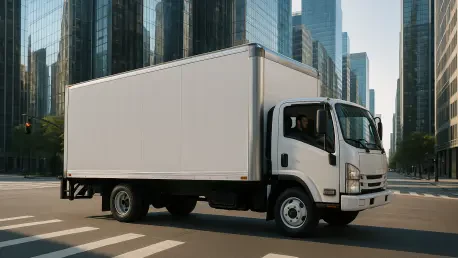
Shippers frequently find themselves trapped between two extremes: paying for a full 53-foot trailer that remains half-empty or navigating the complex surcharges of Less-than-Truckload (LTL) networks. This inefficient "no man's land" of freight—typically ranging from 6 to 12 pallets—has created a

The modern supply chain stands at a crossroads where the hyper-efficient robotics of the warehouse floor collide with the analog chaos of the exterior pavement, creating a friction point that costs the global economy billions annually. This analysis identifies a profound market paradox: while

Beyond the Bin: Reimagining Municipal Logistics in North-West Germany The rhythmic clatter of discarded smartphones and shattered glass once signaled a logistical headache for municipal workers in Germany, but a silent revolution in containment technology is finally replacing the chaos of the past.

Fleet managers across several states emphasize that summer inspections are the primary defense against the wear and tear accumulated over a full year of operation, providing a vital opportunity for comprehensive mechanical overhauls. As the academic year draws to a close, the shift in focus from