
Fleet managers across several states emphasize that summer inspections are the primary defense against the wear and tear accumulated over a full year of operation, providing a vital opportunity for comprehensive mechanical overhauls. As the academic year draws to a close, the shift in focus from daily logistics to deep-dive maintenance becomes the top priority for school districts and private contractors alike. These vehicles, often referred to as the safest mode of land transportation, require rigorous attention to detail that simply isn’t possible during the hurried schedules of a typical school week. In regions where ambient temperatures frequently exceed triple digits, the stress placed on heavy-duty engines and cooling systems is immense. By utilizing this downtime, technicians can dismantle and inspect components that are otherwise obscured during routine oil changes. This proactive stance ensures that the return to service is not marred by preventable failures or hazardous mechanical breakdowns during transit.
Mechanical Resilience: Strengthening the Core Chassis
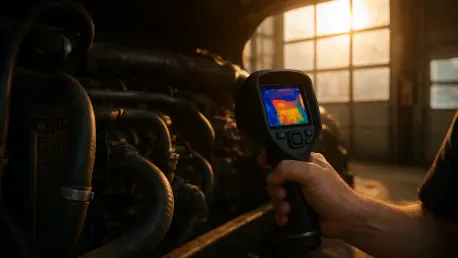
Sustaining engine efficiency during peak summer heat requires more than a simple coolant top-off; it demands a forensic examination of the entire thermal management architecture. Technicians prioritize the inspection of radiator cores and intercoolers, searching for debris blockages or microscopic cracks that might fail under the high-pressure demands of a full passenger load. Moreover, the rubber components within the engine bay, such as serpentine belts and coolant hoses, are particularly susceptible to dry rot and heat-induced elasticity loss. In the current operational landscape of 2026, the use of advanced leak detection dyes and thermal imaging cameras has become standard practice to identify hot spots before they lead to catastrophic engine failure. Replacing a thermostat or a water pump during the quiet July weeks prevents the nightmare scenario of a bus stalled on a highway. This level of scrutiny builds a foundation of reliability that carries through the coldest winter months.
Beyond the engine, the braking systems of these heavy vehicles undergo significant stress that necessitates a thorough summer assessment. For buses equipped with traditional air brakes, technicians meticulously drain air tanks to remove accumulated moisture and contaminants that could lead to corrosion or valve freezing later in the year. The inspection process extends to measuring brake pad thickness and drum integrity, ensuring that the friction materials meet the stringent safety tolerances required for stop-and-go urban routes. Building on this mechanical focus, specialized equipment is used to test the responsiveness of the anti-lock braking systems and electronic stability control units. Because these components are exposed to road salt and grime during the preceding months, a deep cleaning and lubrication of the slack adjusters and S-cams are essential. Such detailed work ensures that the stopping power remains consistent, regardless of the load weight or the steepness of the terrain encountered.
Future Readiness: Integrating Technology and Safety
The evolution of fleet management in 2026 has introduced sophisticated predictive diagnostic tools that transform how summer maintenance is conducted. Rather than relying solely on visual inspections, modern shops now utilize cloud-based telematics platforms that aggregate data from thousands of operational hours. These systems highlight subtle anomalies in fuel consumption or exhaust gas temperatures that might indicate a clogged fuel injector or a failing diesel particulate filter. This data-driven approach allows managers to prioritize repairs based on actual wear patterns rather than arbitrary mileage intervals. Furthermore, the integration of on-board diagnostic scanners that interface directly with manufacturer databases ensures that software updates and safety recalls are addressed immediately. This technological layer provides a level of precision that traditional methods cannot match, allowing for a more efficient allocation of labor and parts during the summer break.
Ultimately, the implementation of a rigorous summer maintenance schedule functioned as a cornerstone for operational excellence throughout the entire academic year. By addressing mechanical vulnerabilities during the off-season, fleet managers successfully reduced the frequency of emergency repairs and lowered the total cost of ownership for their vehicles. The shift toward incorporating predictive analytics and electric vehicle diagnostics provided a more transparent view of fleet health than ever before. Technicians who focused on the granular details of braking systems and cooling efficiency established a higher standard of safety that resonated with parents and school boards. These strategic actions not only extended the lifecycle of the buses but also reinforced the trust placed in the transportation system. Investing in these thorough summer protocols proved to be the most effective way to safeguard the students while maintaining a high level of logistical readiness for the entire fleet.