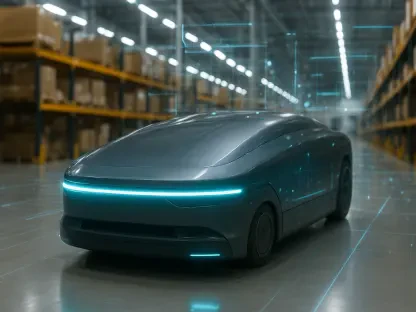
The rapid evolution of American consumer behavior has fundamentally altered the architectural landscape of metropolitan logistics, forcing retailers to abandon centralized shipping models in favor of hyper-local automation. This transition is not merely a tactical adjustment to existing supply

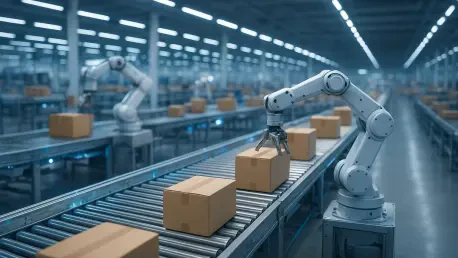
The seamless efficiency of modern logistics no longer rests on the stamina of human workers but on the sophisticated reasoning of silicon and steel. As supply chains face a staggering 90% talent acquisition gap, the pivot toward automated infrastructure has transformed from a futuristic luxury into
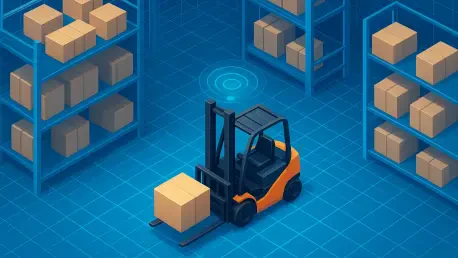
The ability to navigate a 200-ton aircraft or a heavy-duty freight trailer within a margin of just a few centimeters is no longer a testament to human skill but a triumph of laser-based spatial intelligence. While the conversation around Light Detection and Ranging (Lidar) once centered exclusively
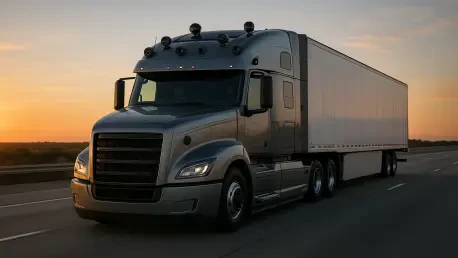
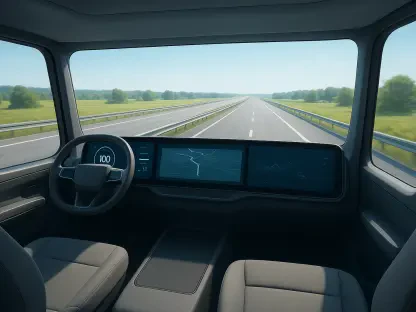
The sight of a heavy-duty trailer navigating a complex highway interchange without a driver touching the wheel has shifted from a futuristic novelty into a standardized industrial reality. At the 2026 Autonomous Mobility Industry Exhibition, the focus has moved decisively away from small passenger
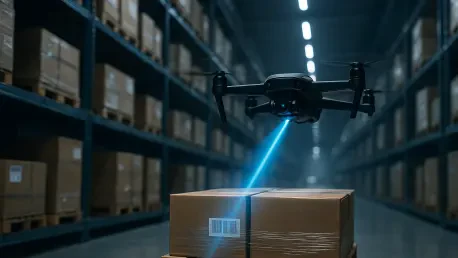
Rohit Laila stands at the intersection of traditional logistics and the cutting edge of industrial automation. With a career spanning several decades, Laila has witnessed the supply chain evolve from manual ledgers to the sophisticated, data-driven ecosystems of today. As an expert who has managed

Rohit Laila has spent decades navigating the intricate web of global supply chains, witnessing firsthand how technology either bridges gaps or creates new hurdles for the movement of goods. As an expert in logistics innovation with a career spanning deep operational roles and high-level strategy,