

The haunting silence currently echoing through the massive shipbreaking yards of South Asia is not a sign of industrial decline, but rather the deceptive calm preceding a monumental shift in the global maritime lifecycle. While many industrial sectors grapple with the consequences of chronic

The vast blue expanses of the global oceans now serve as the primary conduits for a massive invisible stream of data that far exceeds the processing capacity of even the most sophisticated traditional logistics systems. Maritime commerce currently finds itself in a paradoxical state where

The final moment of truth for an e-commerce transaction often appears to be the doorstep handover, but the actual viability of that delivery was likely decided weeks earlier in a regional distribution center or during an inventory audit. For too long, the logistics industry treated the final leg of

The contemporary landscape of international commerce has fundamentally shifted from a model of predictable efficiency to one where geopolitical friction serves as the primary architect of global supply chain strategy. For years, the global trade community relied on a buffer of geopolitical
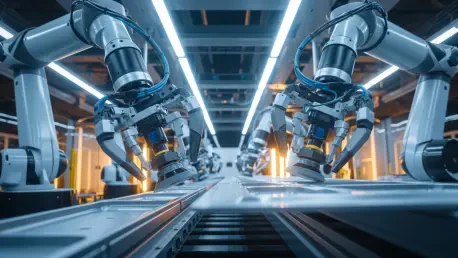
The traditional factory floor is currently undergoing a radical metamorphosis as rigid mechanical structures give way to fluid, AI-driven ecosystems that prioritize cognitive adaptability over simple repetition. This transition centers on a unified architecture where robots function as integrated

The successful maiden flight of a 7.5-ton unmanned cargo aircraft in Zhuzhou marks a definitive transition from experimental hydrogen concepts to heavy-lift industrial applications. This specific event represents a critical milestone because it utilizes the AEP100 megawatt-class hydrogen turboprop
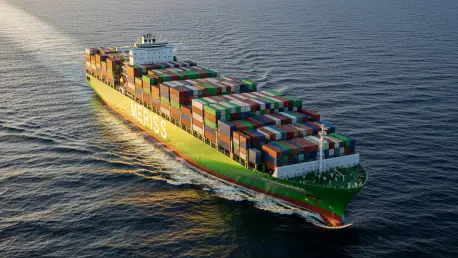
The modern maritime landscape presents a striking paradox where the structural integrity of vessels has reached an all-time peak, yet the operational environment has never felt more precarious or unpredictable for global commerce. While the era of massive shipwrecks caused by simple navigational

The sheer complexity of modern fulfillment centers has reached a critical tipping point where adding more physical robots no longer guarantees a linear increase in operational productivity or speed. While the sight of high-speed sorting arms and sleek autonomous mobile robots gliding across

Rohit Laila is a seasoned logistics veteran with decades of experience in supply chain innovation and freight delivery systems. He is a leading voice on how strategic infrastructure investments revitalize local economies, streamline global trade, and integrate emerging technologies into traditional
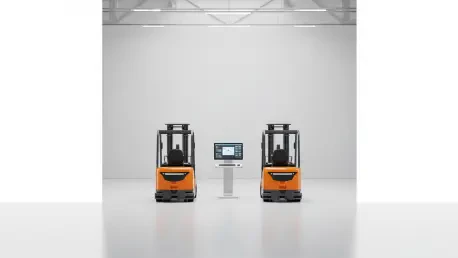
The historic gatekeeping of high-end logistics technology is finally crumbling as sophisticated autonomous systems move from the exclusive domain of global conglomerates into the hands of local warehouse operators. For decades, the material handling sector remained bifurcated between manual labor


