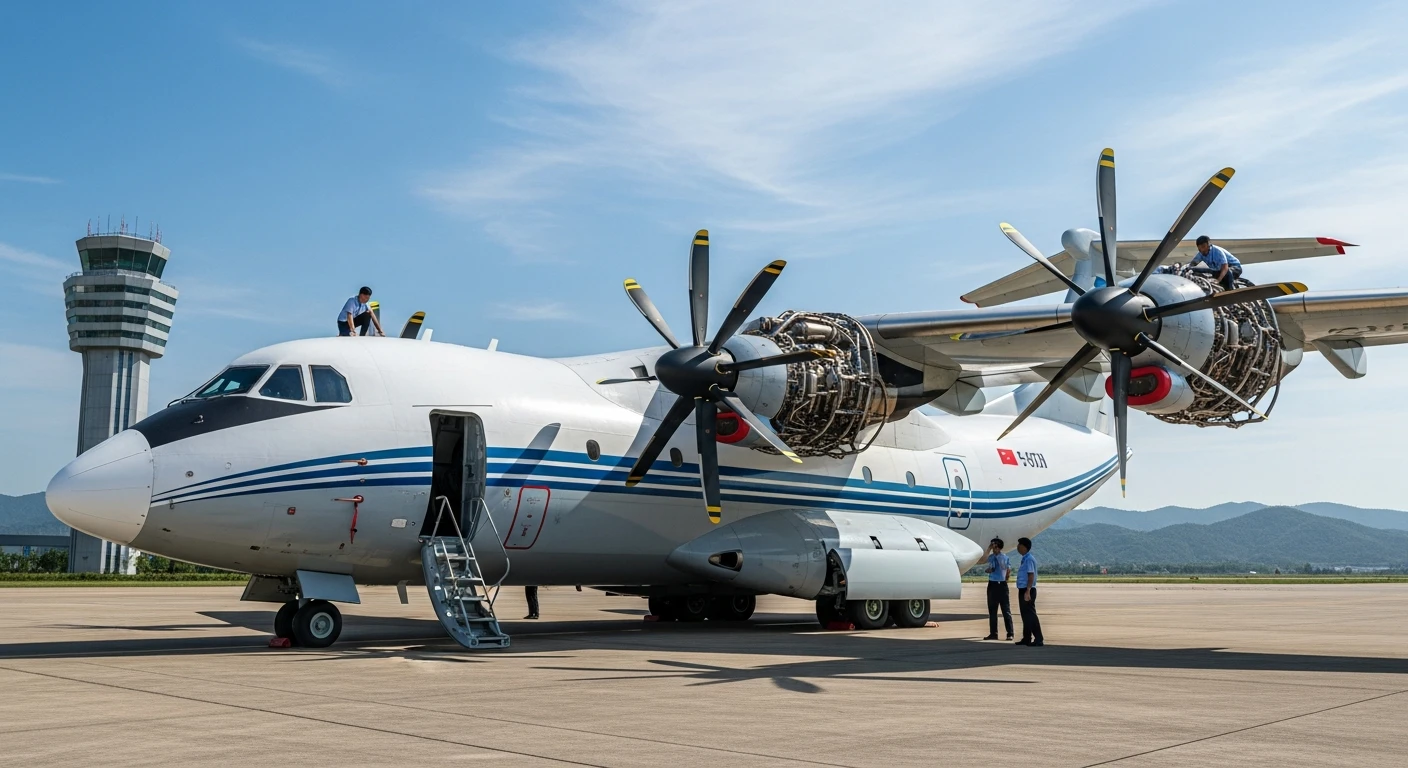

The successful maiden flight of a 7.5-ton unmanned cargo aircraft in Zhuzhou marks a definitive transition from experimental hydrogen concepts to heavy-lift industrial applications. This specific event represents a critical milestone because it utilizes the AEP100 megawatt-class hydrogen turboprop engine, a power plant designed for substantial payloads rather than the small-scale prototypes that have dominated the field until now. As global aviation faces mounting pressure to address carbon emissions, this breakthrough suggests that hydrogen-based propulsion is becoming a viable alternative for the demanding requirements of regional logistics and industrial freight. The ability to lift seven and a half tons without traditional fossil fuels changes the calculus for logistics companies that must balance environmental mandates with operational capacity. Beyond the immediate technical achievement, the mission signaled a shift in how energy security is perceived within the aerospace sector, offering a future where transport remains shielded from the volatility of global oil prices through domestic fuel sources.
Operational Performance: Analysis of the Zhuzhou Flight Test
During the sixteen-minute test flight, the aircraft successfully reached an altitude of nearly one thousand feet and maintained steady speeds of 137 miles per hour while demonstrating full control authority. While the duration might seem modest to a casual observer, the data collected during these minutes provided essential confirmation that a high-torque hydrogen turboprop can operate reliably under real-world aerodynamic loads. Engineering teams monitored the engine performance across a standard flight profile, including takeoff, climb, and level cruise, to ensure that the hydrogen delivery system remained stable throughout the transition between different power settings. This successful validation is a mandatory prerequisite for moving toward commercial certification and shows that the AEP100 engine can handle the thermal stresses associated with heavy-lift operations. By proving that hydrogen is manageable at this scale, the test effectively moves the technology out of the laboratory and onto the runway for future industrial use.
The core of this technological leap lies in the choice of direct hydrogen combustion rather than the more common fuel cell approach used in smaller electric aircraft designs. By burning liquid hydrogen directly within a modified turbine, the system leverages decades of existing aerospace engineering expertise while completely eliminating carbon dioxide emissions from the exhaust stream. However, this method introduces significant engineering hurdles, specifically regarding the control of nitrogen oxide levels and the maintenance of combustion stability at extremely high operating temperatures. Direct combustion provides the high power density required for a 7.5-ton airframe, which currently exceeds the practical limits of current battery or fuel cell weights. Developing specialized injectors and combustion chambers that can handle the unique flame speed of hydrogen has been a primary focus for the Aero Engine Corporation. This approach allows the industry to keep the familiar architecture of turboprop planes while swapping the carbon-intensive fuel for a clean alternative.
Engineering Requirements: Storage and Propulsion Design Hurdles
Beyond the mechanical operation of the engine, the logistics of managing liquid hydrogen on a large-scale airframe requires an entirely new philosophy regarding fuel system design and safety. To maintain its liquid state, the hydrogen must be stored at minus 423 degrees Fahrenheit, necessitating the use of specialized vacuum-sealed tanks and advanced multi-layer insulation systems. Because hydrogen possesses a much lower volumetric energy density than traditional Jet A-1 fuel, these tanks occupy significantly more space, forcing designers to rethink the internal layout of the fuselage and wing structures. This transition also implies a massive shift for ground operations, as airports will eventually need to be transformed into cryogenic hubs capable of storing and distributing super-cooled fuel safely. The infrastructure requirements for a fleet of hydrogen cargo planes are substantial, requiring new protocols for refueling that differ fundamentally from the pressurized systems used today. Addressing these storage challenges is just as important as the engine technology itself for long-term viability.
China’s rapid progress in hydrogen cargo aviation places it in a competitive position relative to established Western aerospace giants like Airbus and their ongoing ZEROe initiative. While European projects have largely focused on developing hydrogen fuel cells for regional passenger travel, the Chinese strategy has prioritized heavy-lift cargo applications as the primary entry point for the technology. This cargo-first approach is highly pragmatic because it allows for the refinement of engine performance and safety protocols in controlled freight environments before addressing the more stringent regulatory hurdles of the passenger market. By operating in the logistics sector first, manufacturers can accumulate thousands of flight hours and gather massive datasets on hydrogen behavior in diverse weather conditions. This strategy also aligns with the immediate needs of the e-commerce industry, which is seeking ways to reduce its carbon footprint without sacrificing the speed and reliability of air transport. Consequently, this development sets a new benchmark for how decarbonization can be integrated into the global supply chain.
Market Trajectory: Strategic Integration and Resource Management
The broader implications of this flight test extend into the realms of energy security and national economic policy for the coming decades. By fostering a domestic hydrogen-based aerospace industry, the nation aims to insulate its transport and logistics sectors from the price shocks and supply chain disruptions inherent in the global petroleum market. The roadmap for this technology is ambitious, with plans to integrate these heavy-lift hydrogen systems into regional cargo networks by 2035, eventually scaling the architecture to support a zero-emission aviation sector by 2050. This long-term vision requires a coordinated effort between engine manufacturers, airframe designers, and green hydrogen producers to ensure a reliable supply of fuel. As the cost of renewable energy continues to fall, the production of green hydrogen via electrolysis becomes more economically competitive with fossil fuels. This economic shift could potentially lower the operating costs of regional airlines while simultaneously meeting international climate targets. The success in Zhuzhou provides the first tangible proof that this large-scale transition is technically feasible and economically attractive.
To capitalize on this successful flight test, stakeholders in the aviation sector should have prioritized the development of standardized cryogenic refueling protocols and hydrogen-compatible safety certifications. Moving forward, the industry needed to focus on expanding the production of green hydrogen to ensure that the environmental benefits of these engines were not undermined by carbon-intensive fuel sourcing. Engineering teams likely turned their attention toward optimizing the weight-to-volume ratio of liquid hydrogen storage tanks to improve the payload efficiency of future iterations. Furthermore, policymakers were tasked with creating the regulatory frameworks necessary for the safe operation of unmanned hydrogen freighters within shared commercial airspace. These actions paved the way for a more resilient aerospace ecosystem that moved away from the constraints of traditional fuels toward a decentralized and sustainable energy model. By establishing these foundations, the transition to hydrogen-powered cargo became a practical reality that reshaped global logistics and set a new standard for heavy-lift aerial transport systems.