
Rohit Laila has spent decades navigating the complexities of global supply chains, witnessing firsthand the shift from traditional trucking to high-efficiency intermodal systems. As an advocate for innovation, he understands how critical infrastructure can reshape the flow of goods across continents, especially when technology and environmental stewardship are integrated into the core design. Today, we sit down with him to discuss the Pacific Coast Intermodal Port (PCIP) in Coos Bay, a $2.3 billion initiative that promises to redefine the relationship between ocean carriers and the national rail network. Our conversation explores the transition to a rail-centric model, the impact of significant federal and private investment, and how deepening the navigation channel will secure the region’s role as a strategic logistics gateway.
The Pacific Coast Intermodal Port project proposes a radical shift by moving freight directly from ships to trains. How does this departure from traditional truck-based logistics change the operational landscape for modern supply chains?
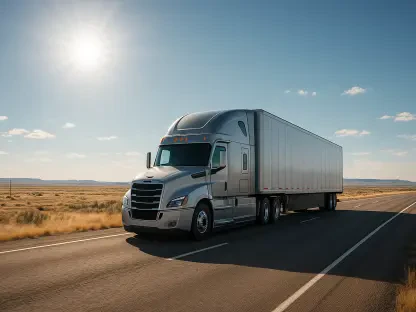
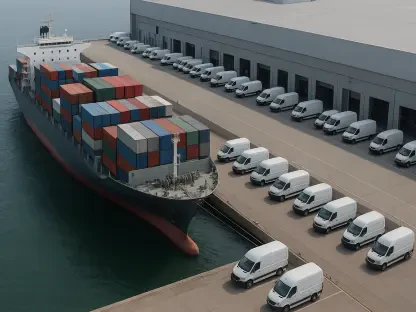
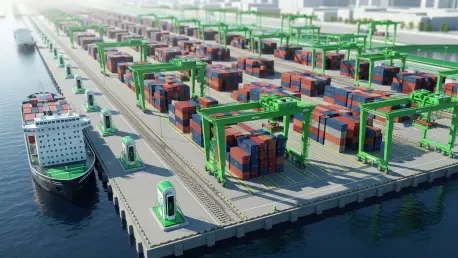
This model is a game-changer because it addresses the bottlenecks that have long plagued West Coast ports where thousands of idling trucks create massive congestion and environmental strain. By utilizing a 175-acre terminal on the North Spit peninsula, we are looking at a system where nearly all freight bypasses the highway entirely. This isn’t just about speed; it’s about a seamless transition that reduces the “touches” each container requires, which naturally lowers the risk of damage and streamlines the entire shipping operation. Seeing containers move straight from a massive vessel onto a waiting train feels like watching a perfectly synchronized orchestra, replacing the chaotic rumble of truck traffic with the steady, rhythmic efficiency of rail.
Environmental sustainability is a cornerstone of this project, featuring dockside electrification and a move away from diesel. What impact does this level of “green” infrastructure have on the long-term viability of international shipping hubs?
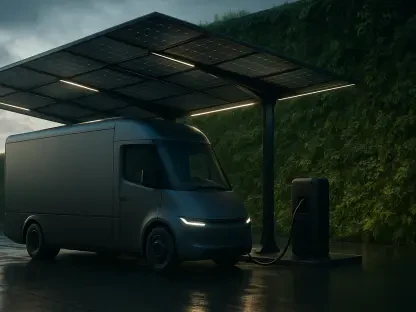
The commitment to powering these new facilities with electricity is a bold statement against the old-school reliance on heavy diesel that has historically dominated the sector. When ships can plug into dockside electricity—often called shore power—they effectively “go silent,” cutting off the plumes of black smoke that traditionally hang over port cities while they are at the dock. This transition is essential for any modern port seeking longevity, especially as international regulations tighten and the public demands cleaner air for their communities. By reducing diesel emissions at the dock, the Port of Coos Bay isn’t just building a terminal; it’s creating a sustainable blueprint that proves large-scale trade doesn’t have to come at the expense of environmental health.
The project involves significant upgrades to the 134-mile Coos Bay Rail Line. From a logistics perspective, how does strengthening this specific artery enhance the connection between international routes and inland markets?
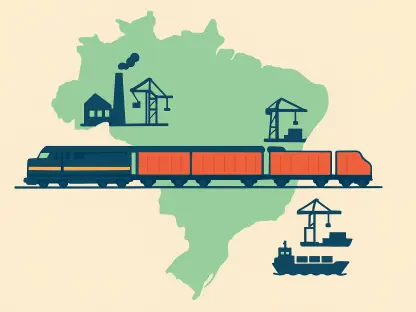
Those 134 miles of track between Coos Bay and Eugene are the backbone of this entire vision, serving as the vital link to the Union Pacific interchange. Upgrading this line means we can move heavier loads more frequently, effectively turning the rural landscapes of Coos, Douglas, and Lane counties into a high-speed corridor for global trade. For a logistics professional, seeing that connection solidified is incredibly satisfying because it opens up the West and Midwest markets in a way that feels direct and powerful. It transforms the rail line from a local asset into a national artery, ensuring that a product arriving from overseas can reach a consumer in the heartland without ever touching a congested public highway.
With a total project cost estimated at $2.3 billion, the PCIP relies heavily on a public-private partnership. How does the collaboration between the Oregon International Port of Coos Bay and NorthPoint Development ensure the project’s success?
A project of this magnitude simply cannot exist in a vacuum; it requires the kind of sustained collaboration and shared vision that makes complex engineering possible. When you combine the $25 million INFRA grant with the $25 million match from NorthPoint Development, you see a shared “skin-in-the-game” that motivates both sides to meet the ambitious five-year timeline. This partnership leverages the Port’s land and regulatory standing with the private sector’s operational expertise, which is crucial when you are managing $100 million from the Oregon Legislature and additional millions from CRISI and PIDP awards. It’s a massive financial puzzle, but seeing these different funding streams come together creates a sense of stability and momentum that is rare in large-scale infrastructure projects.
Deepening and widening the Coos Bay Federal Navigation Channel is a massive undertaking. How does this physical modification of the harbor affect the strategic competitiveness of the West Coast supply chain?
Widening that channel is about more than just making room for bigger boats; it’s about increasing the “margin of safety” for the massive container ships that are becoming the standard in international trade. When a captain can navigate a wider, deeper channel with confidence, the port becomes a much more attractive and reliable destination for global carriers who are constantly weighing risk versus reward. This modification allows Coos Bay to compete with larger, more established ports by offering a safer, more streamlined entry point for the newest generation of vessels. It’s a physical transformation of the earth that signals to the world that this harbor is ready to handle the heavy lifting of global commerce with precision and ease.
What is your forecast for the Pacific Coast Intermodal Port as it moves from its current planning phase toward full operation in five years?
My forecast is that Coos Bay will emerge as a critical “strategic logistics gateway” that fundamentally rebalances how we view West Coast trade and supply chain resilience. Over the next two years of permitting and three years of construction, I expect to see a surge in regional economic activity as thousands of career-track jobs are created to build this $2.3 billion facility. Once operational, the shift to a rail-first model will likely trigger similar innovations at other ports, as they see the undeniable benefits of reduced highway congestion and lower emissions. Ultimately, this project will prove that rural, underserved markets can become central hubs in the global supply chain, provided we have the courage and the vision to invest in the right infrastructure today.