
The United Kingdom’s logistical backbone is facing an unprecedented transformation as record-breaking heatwaves have shifted from being anomalies to becoming a predictable seasonal occurrence that disrupts national supply chains. Road surfaces are literally softening under the intense solar radiation, causing significant delays and damage to heavy goods vehicles that were never designed to operate in sustained Mediterranean-style temperatures. This environmental pressure is most acutely felt in the last-mile delivery segment, where the density of urban traffic exacerbates the heat island effect and slows down essential services. Beyond the physical deterioration of the asphalt, the strain on national infrastructure has created a bottleneck that threatens the reliability of next-day delivery promises. Companies are finding that traditional operational models are no longer sufficient to maintain efficiency when the mercury rises, necessitating a total rethink of how goods move. By prioritizing driver well-being through mandated breaks and avoiding peak midday heat, firms are managing the human risks.
Utilizing Digital Tools: Mitigating Operational Risk
Logistics firms are increasingly relying on advanced transport intelligence to navigate these environmental hurdles without losing operational efficiency in a competitive market. Route optimization and scheduling software allow managers to redistribute workloads dynamically, ensuring that drivers can complete their tasks before the sun reaches its most dangerous intensity in the early afternoon. This technology also serves as a critical communication bridge, using real-time tracking to keep customers informed of weather-related delays and reducing the psychological pressure on drivers to rush in unsafe conditions. By integrating hyper-local weather data into their dispatch systems, dispatchers can identify specific corridors where road melting is likely and reroute heavy trailers to more stable bypasses. These digital tools have transitioned from being optional luxuries to becoming essential survival mechanisms for the industry. This proactive scheduling helps maintain the integrity of the cold chain, ensuring that temperature-sensitive cargo remains protected.
Beyond simple navigation, the integration of real-time communication tools has become vital for maintaining driver safety during high-temperature alerts across the United Kingdom. Modern logistics platforms now feature automated heat-stress alerts that trigger when local temperatures exceed specific thresholds, prompting drivers to take mandatory hydration breaks in shaded or climate-controlled areas. These systems allow dispatchers to monitor the cabin environment remotely, ensuring that the health of the workforce is not sacrificed for the sake of delivery speed. By fostering a transparent dialogue between the hub and the road, companies have significantly reduced the incidence of heat exhaustion and related medical emergencies. Furthermore, this data-driven approach allows for the creation of historical heat maps, enabling firms to predict future disruption and adjust their annual staffing levels accordingly. The focus has moved from purely mechanical efficiency to a more holistic view of human-centric operations that prioritize safety.
Adapting Asset Management: Navigating Regulation and Future Growth
Maintaining vehicle health is another critical area where digital oversight is making a significant difference during these prolonged periods of extreme atmospheric heat. High temperatures put immense strain on cooling systems, tires, and hydraulic brakes, leading to a notable increase in roadside breakdowns that can paralyze a regional fleet. By implementing digital safety inspection apps, drivers can perform more frequent checks and report potential mechanical issues to maintenance teams instantly, allowing for a more proactive and preventive approach to fleet management. These applications often include thermal sensors that monitor tire pressure and engine temperatures in real time, alerting the back office before a catastrophic failure occurs on the highway. This shift toward predictive maintenance reduces the risk of long-term damage to expensive assets and keeps the supply chain moving even when external conditions are at their most hostile. It is a vital safety layer that protects both the equipment and the surrounding traffic.
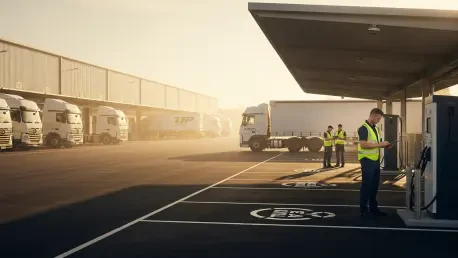
The industry eventually navigated the complex regulatory landscape of anti-idling laws by accelerating the adoption of electric vehicle technology to ensure driver comfort. Because internal combustion engines were prohibited from idling in urban centers, the transition to EV fleets allowed drivers to maintain air conditioning without risking heavy environmental fines from local councils. This shift not only satisfied legal requirements but also served as a catalyst for a broader commitment to sustainable energy practices within the national supply chain. Logistics leaders invested heavily in solar-powered charging hubs and thermal-efficient warehouse designs to create a buffer against the escalating climate volatility. Ultimately, the successful firms were those that viewed heat as a permanent operational variable rather than a temporary crisis, embedding resilience into their long-term capital expenditure plans. These strategic steps ensured that the UK’s logistical network remained functional and competitive while protecting the people who kept the country moving.