

Despite the urgent need for a new generation of logistical talent, workers aged sixteen to twenty-four currently represent a meager 4.2 percent of the total driving population. This demographic imbalance is not merely a failure of interest from the younger generation but a direct consequence of a

Logistics network operators across the globe are witnessing a silent revolution where traditional bolt cutters have been replaced by malicious lines of code and digital manipulation. As the industry embraces rapid digitalization, organized crime rings are trading physical crowbars for sophisticated

Craft distillers and small producers face a disproportionate burden because they lack the network flexibility to postpone final bottling or processing within U.S. borders. This reality became starkly apparent on September 29, 2026, when the United States government transitioned from a regime of

Enterprise Security Risk Management redefines the role of security professionals by turning them into strategic advisors who collaborate across departments. This fundamental shift marks a departure from the days when security was viewed as a siloed, tactical function centered on physical barriers
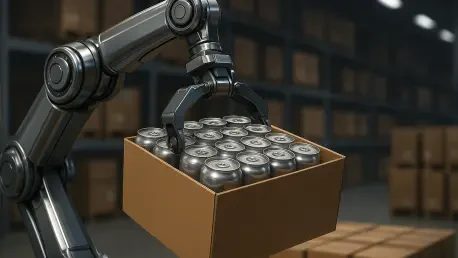
The beverage industry is transitioning from a reliance on manual labor toward sophisticated robotic systems to manage the complex logistics of distribution centers. This shift represents a departure from decades of tradition where automation was largely confined to the "front end" of production,
Effective decarbonization in the transport sector is being driven by AI-optimized routing that ensures fewer unnecessary trucks are dispatched onto the roads. This shift represents a broader movement within the logistics industry, which has moved away from the complex and often cumbersome digital

Small carriers and independent owner-operators are becoming prime targets for identity theft due to their lack of robust cybersecurity infrastructure. This vulnerability has opened the floodgates for strategic cargo theft, a sophisticated model where criminals rely on digital deception rather than
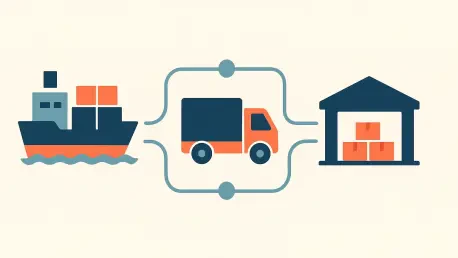
Rohit Laila is a veteran of the logistics world, a man who has spent decades watching the gears of global supply chains turn from the inside. With a career that spans the heavy lifting of physical delivery and the high-level orchestration of digital supply chain planning, he has become a leading

The Dutch transport and logistics sector is currently standing at a pivotal crossroads where the traditional reliance on heavy industrial volume is rapidly giving way to a more sophisticated, service-oriented ecosystem driven by high-tech precision. As a cornerstone of the Netherlands’ economy and

International shipping regulations are struggling to keep pace with the physical dangers inherent in the chemical makeup of modern lithium-ion storage devices. As the global economy pivots toward an all-electric paradigm in 2026, the sheer volume of high-capacity batteries traversing the oceans has


