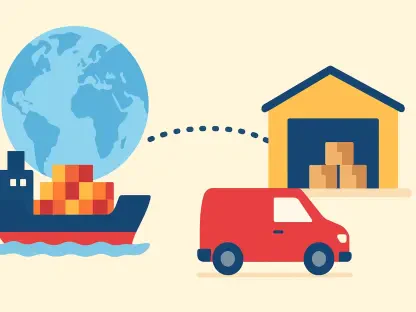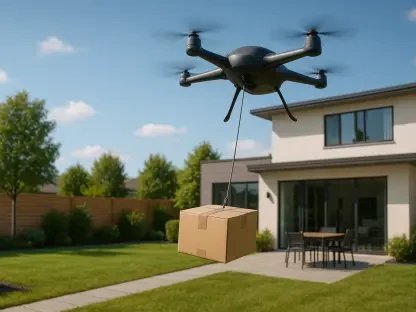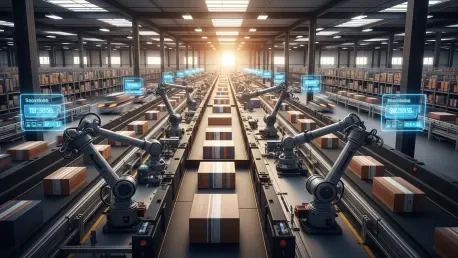

The landscape of the American industrial sector is undergoing a profound transformation as logistics operations migrate from overcrowded coastal metropolises to the burgeoning markets of Tier-2 and Tier-3 cities. This movement is not merely a geographic reshuffling but a calculated response to the soaring consumer demand for lightning-fast delivery times that traditional, centralized hubs can no longer sustain effectively. While cities like Los Angeles and New York once served as the primary gateways for goods, the current emphasis on proximity to the end-user has elevated smaller urban centers like Des Moines, Greenville, and Reno into critical nodes of the national supply chain. In these mid-sized markets, the intersection of limited labor pools and the need for high-speed fulfillment has created a perfect environment for the rapid adoption of sophisticated warehouse robotics. As a result, the once-quiet industrial outskirts of regional America are now at the forefront of a technological revolution that is redefining how products move from manufacturer to doorstep.
Catalysts for Decentralized Distribution Networks
The primary driver behind this decentralization is the relentless push for last-mile delivery efficiency, which requires inventory to be physically closer to residential clusters than ever before. In 2026, the expectation for same-day or next-day shipping has become the baseline standard across the continental United States, forcing retailers to abandon the model of a few massive distribution centers in favor of dozens of smaller regional sites. These Tier-2 and Tier-3 cities offer lower real estate costs and strategic highway access, yet they frequently suffer from a scarcity of available manual labor compared to their larger counterparts. Consequently, automation has ceased to be an optional luxury and has become a fundamental necessity for operational viability in these areas. Robotics allow these facilities to maintain 24-hour schedules without the recruitment hurdles that often plague human-centric operations in less populated regions, ensuring that local demand is met with global-scale efficiency.
Beyond the immediate pressures of delivery speed, the shift toward regional hubs is fueled by a desire to insulate supply chains against large-scale disruptions that often paralyze major port cities. By distributing inventory across a wider network of smaller automated warehouses, companies can mitigate the risks associated with regional labor strikes, severe weather events, or infrastructure failures in any single metropolitan area. This distributed model relies heavily on the consistency and predictability of robotic systems, which provide a level of performance accuracy that human teams struggle to maintain during peak seasons. Furthermore, the integration of advanced analytics within these automated regional centers allows for precise inventory management, reducing the amount of unsold stock sitting in expensive urban real estate. This strategic relocation represents a broader trend toward resilience, where the stability of the supply chain is bolstered by the reliability of mechanical systems operating in geographically diverse locations across the country.
Integrating Advanced Systems into Regional Hubs
The actual implementation of technology within these Tier-2 and Tier-3 cities is characterized by a preference for flexible and modular hardware, most notably Autonomous Mobile Robots and sophisticated automated storage systems. Unlike the massive, bolted-down conveyor belts of previous decades, today’s robots can be deployed within weeks into existing warehouse layouts without requiring major structural renovations. This flexibility is essential for regional operators who may be working within older facilities or leased spaces that do not allow for permanent modifications. These robots utilize lidar and artificial intelligence to navigate complex environments, safely working alongside human employees while handling the repetitive tasks of picking, sorting, and transporting goods. By utilizing these modular units, a mid-sized fulfillment center in a city like Indianapolis can achieve the same throughput as a massive coastal facility but with a significantly smaller physical footprint and lower upfront capital expenditure.
Success in these automated environments depends heavily on the underlying software ecosystems that coordinate the movements of various robotic components in real-time. Modern Warehouse Management Systems have evolved to act as the central nervous system for these facilities, integrating data from robots, inventory sensors, and shipping platforms to optimize every workflow within the building. Companies such as Addverb have pioneered scalable automation models that allow businesses to start with a small fleet of robots and gradually expand as their regional volume increases. This pay-as-you-grow approach is particularly attractive for mid-sized enterprises that may not have the massive budgets of multinational conglomerates but still need to compete on speed and reliability. The ability of these software platforms to communicate across different brands of hardware ensures that regional warehouses remain adaptable, allowing them to swap or upgrade specific robotic elements as newer, more efficient technologies emerge on the market.
Economic Impact and Workforce Evolution
The influx of high-tech logistics infrastructure is fundamentally altering the economic landscape of smaller American cities, attracting new investments and creating a demand for specialized technical talent. While the need for traditional manual pickers may be decreasing, there is a burgeoning market for maintenance technicians, system operators, and data analysts who can oversee the complex machinery and software driving these warehouses. This transition is prompting local community colleges and vocational schools to revise their curricula, focusing on mechatronics and robotics repair to prepare the local workforce for these high-value roles. The presence of these advanced facilities often serves as an anchor for further industrial development, drawing in supporting businesses and boosting the overall tax base of Tier-2 and Tier-3 municipalities. As a result, cities that were once overlooked in the digital economy are now becoming vibrant centers of technological innovation, offering career paths that combine physical logistics with high-level computer science.
The expansion of robotic warehousing into regional markets established a new blueprint for the American supply chain, one that prioritized speed, resilience, and local engagement. Companies that successfully pivoted to this decentralized model experienced significant reductions in shipping overhead and higher customer satisfaction ratings across diverse geographic areas. Moving forward, businesses must prioritize the continuous upskilling of their regional employees to ensure they can manage the increasingly complex AI-driven systems that will define the next phase of industrial growth. Investing in interoperable software platforms that can manage diverse robotic fleets will be essential for maintaining a competitive edge in a market where flexibility is as valuable as speed. Furthermore, local governments should focus on providing robust digital infrastructure to support the massive data needs of these automated hubs, ensuring their communities remain attractive to logistics innovators. By fostering partnerships between technology providers and regional stakeholders, the U.S. can ensure a balanced and robust distribution network that benefits every corner of the nation.