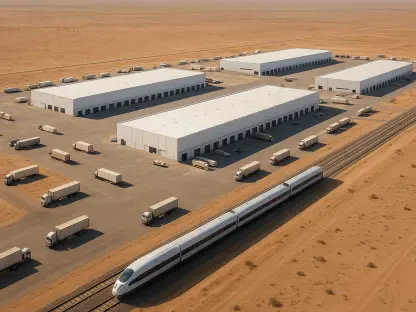

The unexpected cessation of operations by Mountain Valley Express on July 7, 2026, has fundamentally altered the competitive landscape of the Southwestern less-than-truckload market overnight. As a specialized carrier based in Manteca, California, the company served as a critical link in regional supply chains for decades before its sudden closure. The shutdown affects thirteen terminals across California, Arizona, and Nevada, leaving customers and logistics partners searching for immediate alternatives. This analysis explores the divergence between the firm’s recent expansionist rhetoric and the underlying economic pressures that triggered its final exit.
The Evolution of Mountain Valley Express: Growth and Restructuring
Before its dissolution, the organization functioned as a multifaceted logistics provider, offering integrated warehousing and transportation services. The company underwent a significant corporate transformation toward the end of 2024 following its acquisition by DC Logistics, which aimed to revive the brand after purchasing business units from their European parent company. This transition was initially accompanied by a workforce reduction of approximately 105 employees, a move designed to streamline operations and create a leaner freight solution. Despite these efforts to consolidate and reorganize, the internal structure struggled to achieve the necessary stability to survive in a volatile economic climate.
Analyzing the Disconnect Between Strategy and Execution
The Tech Paradox: Ambitious Goals vs. Operational Realities
One of the most striking contradictions in the company’s final years was its heavy investment in digital infrastructure. Just before its collapse, the carrier implemented a sophisticated transportation management system designed to support “aggressive growth goals” and provide real-time freight visibility. This reliance on high-tech solutions was presented as a cornerstone of modernization, yet it ultimately failed to provide a buffer against financial insolvency. Market patterns suggest that digital transformation, while essential for modern logistics, cannot compensate for fundamental issues in cash flow or operational overhead.
Integration Friction: The Challenges of Corporate Consolidation
The attempt to merge Mountain Valley Express into a larger corporate ecosystem likely created significant operational friction. While consolidation is often intended to produce scalability, the reality of integrating legacy systems and specialized regional routes often leads to service disruptions. The earlier layoffs were a precursor to deeper integration challenges that may have alienated the firm’s core customer base. When regional specialists lose their agility during a merger, they often find themselves unable to compete with both national giants and nimble local couriers.
Navigating the Volatile Southwestern LTL Market
The Southwestern freight corridor is recognized for its high operating costs and intense concentration of competition. Mountain Valley Express faced the dual pressure of rising labor costs in California and fluctuating fuel prices across its thirteen terminals. In this environment, mid-sized carriers often struggle to find a sustainable niche between large-scale national providers and hyper-local delivery services. The carrier’s inability to maintain a competitive pricing structure while managing these regional expenses likely accelerated its decline.
The Future Landscape of Regional Freight and Logistics
The exit of a major regional player signals a shift toward further consolidation within the logistics industry. Survivors in this sector will likely be those that can successfully transition toward green energy compliance and automated logistics without overextending their financial resources. Analysts predict that the Southwestern corridor will see a rise in dominance by larger, well-capitalized firms that can absorb the vacuum left by regional specialists. This trend points toward a future where “critical mass” is the only reliable defense against sudden market shifts.
Lessons in Resilience and Strategic Pivot for Carriers
Remaining logistics providers must learn that growth goals should always be balanced by conservative cash flow projections. Rapid expansion and technology investments should be executed incrementally to ensure they solve specific bottlenecks rather than serving as a distraction from structural weaknesses. Furthermore, prioritizing employee retention and cultural alignment during a merger is vital for maintaining the service quality that regional customers expect. A focus on operational resilience rather than pure market share expansion will be the defining trait of successful carriers in the coming years.
A Cautionary Tale: The Modern Logistics Era
The dissolution of Mountain Valley Express served as a profound example of the risks inherent in aggressive corporate restructuring. Market analysts observed that even significant brand recognition and technological upgrades were insufficient to overcome the pressures of the regional freight sector. The carrier’s inability to reconcile its expansionist ambitions with the realities of its operating costs led to a total cessation of services. This outcome provided a stark reminder that strategic agility remained the most valuable asset in an increasingly unpredictable shipping environment. Industry stakeholders moved to fortify their own operations to avoid a similar fate.