
With decades of experience navigating the intricate web of global delivery networks, Rohit Laila stands as a seasoned authority in the logistics and supply chain sectors. His career has tracked the evolution of freight from traditional manual processes to the highly automated, tech-driven

The rapid expansion of global e-commerce has necessitated a shift toward deep technical integration between manufacturers and retailers to ensure seamless fulfillment in specialized markets. For years, the hair replacement industry remained tethered to manual communication methods, where
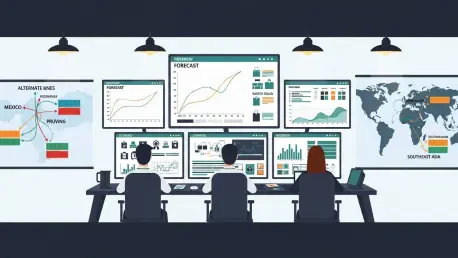
Tariff math that once hid in the margins now sat on the front page of every small and midsize P&L, and the most visible response was unapologetic price pass-through backed by sharper planning discipline. A recent supply chain survey indicated that 82% of SMBs now pushed tariff-related costs to

Stockouts drain sales, erode brand trust, and push shoppers to rivals faster than legacy planning tools can react when demand surges, seasons flip, or logistics pinch points ripple through the network. Lowe’s moved to confront that volatility by broadening its partnership with Relex Solutions,

The traditional frustration associated with printing shipping labels and sourcing cardboard boxes for e-commerce returns is rapidly becoming a relic of the past as logistical giants overhaul the consumer experience. The logistical landscape of the United States is witnessing a massive
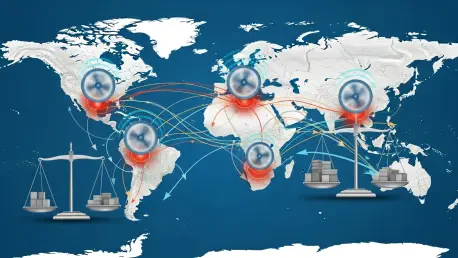
Global trade routes are currently undergoing a massive transformation as businesses navigate the sudden and often unpredictable shifts in international trade policy that have come to define the start of this year. Organizations that once relied on static performance metrics are finding that