
The Accelerating Pulse of Modern Commerce
A single hour spent waiting for a household essential now feels like a lifetime in a market where the gap between clicking a button and hearing a doorbell has nearly evaporated into thin air. The retail landscape of 2026 is defined by a fundamental shift in how goods move from warehouse to doorstep. What began as a premium perk has rapidly morphed into a baseline expectation, forcing brands to overhaul their logistical frameworks to survive. This evolution isn’t merely about moving faster; it’s about a strategic pivot toward a diversified shipping toolkit that meets consumers exactly where they are.
This exploration dives into the infrastructure and consumer psychology driving this on-demand revolution, revealing why the race for the fastest delivery has become the ultimate test of retail viability. Industry analysts note that the traditional three-to-five-day shipping window has become a relic of the past for most high-frequency categories. Businesses are no longer just competing on product quality or price but on the sheer efficiency of their distribution networks. This high-speed environment demands a complete synchronization of inventory and transportation that was previously reserved for the most elite logistics firms.
The ‘Gateway Effect’ and the Psychology of Ecosystem Lock-In
The transition to ultra-fast retail often begins at the kitchen table, with groceries serving as the primary entry point for same-day services. Data suggests that once a consumer experiences the convenience of immediate grocery fulfillment, their expectations shift across all categories, from electronics to apparel. This creates a powerful “lock-in” effect where shoppers prioritize platforms that offer a unified, rapid experience. This psychological shift means that a brand’s ability to deliver a head of lettuce in sixty minutes directly influences whether a customer will trust them to deliver a new laptop later that afternoon.
However, the challenge for retailers lies in maintaining this speed without eroding brand loyalty when the inevitable logistical hiccup occurs. There is an ongoing debate among supply chain experts over whether speed alone can sustain long-term customer relationships or if it simply raises the floor for entry. If a delivery is fast but the item is damaged or the order is incorrect, the convenience is quickly overshadowed by the frustration of the return process. This has forced a refocus on quality control mechanisms that can keep pace with the physical movement of the goods.
Proximity as Power: Converting Brick-and-Mortar Into Tactical Fulfillment Hubs
In 2026, the most valuable asset a retailer can own is physical proximity to the end-user. Industry leaders like Walmart have leveraged their vast store networks to double as decentralized distribution centers, slashing the distance of the “last mile.” By utilizing existing floor space as staging areas for digital orders, these companies have effectively turned every suburban storefront into a high-speed engine for local fulfillment. This strategy significantly reduces the carbon footprint and transportation costs associated with shipping from distant regional warehouses.
The rise of third-party fulfillment services—such as DoorDash’s DashMart—allows smaller brands to compete by outsourcing the entire order lifecycle. These platforms provide the infrastructure that boutique retailers lack, enabling them to offer same-day service without investing in their own fleet. While these partnerships offer a shortcut to speed, they also introduce risks regarding the dilution of the direct-to-consumer experience. Brands must carefully balance the convenience of third-party logistics with the need to maintain a distinct and personal connection with their audience.
Beyond the Urban Core: Solving the Logistics Puzzle for Rural and Underserved Markets
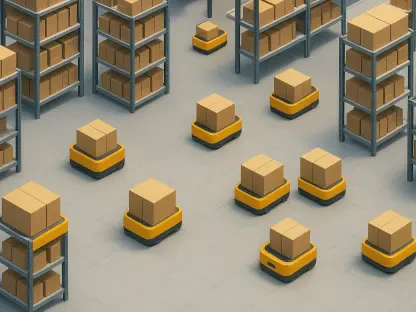
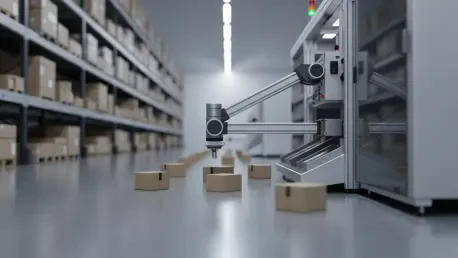
A common assumption in logistics is that same-day delivery is a luxury reserved for dense, metropolitan hubs. Yet, 2026 has seen disruptive innovations like FedEx’s “SameDay Local” and Dollar General’s rural initiatives challenge this status quo. By utilizing micro-fulfillment centers (MFCs) and advanced cross-docking solutions, retailers are now reaching demographics that were previously overlooked. These smaller, automated hubs can be tucked into existing real estate, bringing high-velocity logistics to areas where traditional big-box infrastructure would be impractical.
This expansion explores how regional differences are being bridged through automated orchestration platforms, turning logistical nightmares into competitive advantages in untapped geographic territories. The success of these rural programs often depends on sophisticated software that can predict demand and pre-position inventory before an order is even placed. By narrowing the geographic gap, retailers are finding that loyalty in underserved markets is exceptionally high, as these consumers have historically been forced to wait much longer for basic goods.
Predictability Over Velocity: Why Precision Timing is Outpacing Raw Speed
While one-hour delivery makes for a great headline, the market is shifting toward a preference for reliability and precision. For high-value items like home theater systems or designer furniture, knowing the exact ten-minute window of arrival is often more critical than the speed of the transit itself. This preference highlights the move toward “scheduled transparency,” where sophisticated tracking and communication tools provide a level of certainty that raw velocity cannot. Customers are showing a willingness to wait slightly longer if it means they can perfectly plan their day around the arrival of a package.
Speculative directions suggest that the standard of 2026 will be defined by the consumer’s ability to control the delivery window with surgical accuracy. This means that “anytime today” is being replaced by “exactly at 4:15 PM,” allowing for a more harmonious integration of e-commerce into daily life. Retailers that provide interactive maps and real-time driver communication are seeing higher satisfaction rates than those that simply promise speed. This shift reflects a maturing market where the novelty of quick shipping has evolved into a demand for professional, predictable service.
Operational Blueprints for Scaling Sustainable Speed
To thrive in this high-velocity environment, retailers must move beyond pilot programs and integrate same-day options into the very front-end of their digital presence. Success requires a delicate balance; overextending store staff to fulfill digital orders can degrade the in-store experience, creating a friction point that alienates walk-in customers. When employees are constantly weaving through aisles to pick items for remote buyers, the physical shopping environment can feel chaotic and neglected. This tension has led to the development of “dark stores” or partitioned areas within traditional shops dedicated solely to e-commerce fulfillment.
It is recommended that businesses invest in dedicated fulfillment labor or automated MFCs to decouple physical shopping from digital picking. Furthermore, achieving profitable unit economics remains the final hurdle, necessitating a hybrid model that blends internal assets with third-party logistics to distribute costs effectively. Companies have found that using their own staff for high-density routes while relying on gig-economy drivers for outliers provides the best balance of control and cost-efficiency. This multi-tiered approach allows for scalability during peak seasons without the burden of maintaining an oversized permanent fleet.
The High Stakes of a Post-Wait Retail Economy
The normalization of the on-demand economy signified a point of no return for the industry. As the market moved through 2026, the ability to provide a seamless, predictable, and rapid delivery experience stopped being a differentiator and became a requirement for entry. Retailers that synchronized their inventory visibility with diverse distribution points effectively avoided displacement by more agile competitors. The market clearly demonstrated that while the capital required to build a same-day infrastructure was substantial, the cost of making a customer wait was significantly higher in terms of lost lifetime value.
Operations shifted toward a model where precision and transparency were valued as much as sheer speed. Businesses that successfully navigated this transition focused on integrating their digital and physical assets to create a unified shopping experience. The most effective strategies involved the use of micro-fulfillment centers and strategic partnerships to ensure that even rural areas were not left behind. Ultimately, the successful retailers of this period were those that recognized delivery not as a back-end cost, but as the final and most critical touchpoint of the brand experience. Moving forward, the focus must remain on refining these automated systems to ensure that the rapid delivery standard remains economically viable in the long term.