
Tariff math that once hid in the margins now sat on the front page of every small and midsize P&L, and the most visible response was unapologetic price pass-through backed by sharper planning discipline. A recent supply chain survey indicated that 82% of SMBs now pushed tariff-related costs to customers, and 92% of those did it through direct list price increases rather than surcharges or discount trims. That choice simplified billing and preserved cash, but it also changed buying behavior. Broad price lifts nudged customers to downshift order sizes, stretch reorder intervals, or swap to cheaper SKUs, muddying demand signals and raising the risk of stockouts on high-velocity items and overstock on slower movers.
Building on this shift, the stance moved from reactive to pragmatic. “Wait and see” receded from a majority posture to 21%, replaced by playbooks that blended pricing rules, inventory buffers, and new sourcing lanes. Many distributors refreshed price ladders quarterly instead of annually, linked landed-cost tables directly into ERP quoting, and narrowed promotional windows to defend margin on tariff-exposed SKUs. Surcharges appeared sparingly—often on container-heavy categories—while discount schedules were rewritten to protect floor margins. Despite these moves, over 70% still flagged elevated landed costs as the top concern, signaling that not all increases cleared the market and margin compression continued to bite.
The Planning Pivot: From Sourcing Bets to Forecast Discipline
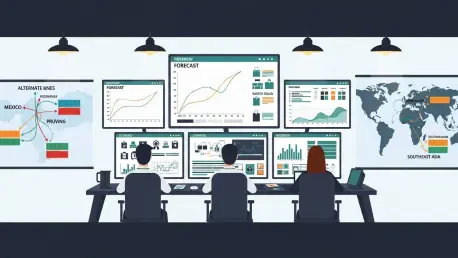
The operational map evolved in tandem. About one in three SMBs shifted suppliers, commonly tilting contracts toward Mexico or Southeast Asia to dilute single-country exposure and cut transit volatility. This migration rarely mirrored a clean swap; teams trialed dual-sourcing, renegotiated minimum order quantities, and leaned on vendor-managed inventory for A-class SKUs. Planning horizons lengthened as uncertainty persisted, with roughly 73% projecting inventory needs further out. Many used rolling 13-week plus 12-month scenarios, applied ABC/XYZ segmentation, and raised safety stock where demand variability and tariff risk overlapped.
These planning pivots redefined day-to-day execution. Sales ops linked freight and duty data into quoting so reps saw true margin before approval. Demand sensing drew on order pattern drift—like shrinking case quantities—to recalibrate forecasts weekly, while procurement modeled what-if duties by HS code to preclear alternative lanes. Container load optimization, pack-size rationalization, and selective SKU pruning helped compress working capital without starving service levels. Financial relief would matter quickly; nearly half said a tariff refund would be significant or game-changing. In practical terms, leaders were best served by codifying pass-through rules tied to landed-cost triggers, prequalifying two backup suppliers per critical SKU, and standing up monthly scenario reviews in finance and operations. Firms that embedded these routines had stabilized service, protected margin points, and positioned the next price move as a planned lever rather than a last resort.