
The global movement of goods is no longer a matter of simply watching dots move across a screen; it is now defined by the seamless fusion of information and physical response in real time. Modern logistics operations are rapidly shedding their traditional, fragmented identities to embrace unified
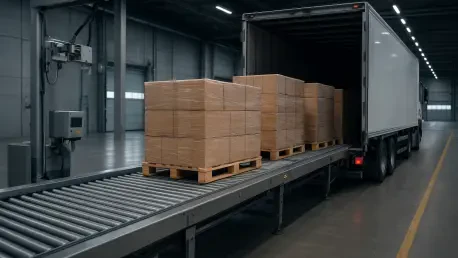
The persistent reliance on manual forklift operations at the loading dock represents a significant invisible bottleneck that often stalls the momentum of even the most sophisticated digital supply chains. While production floors and global shipping routes have undergone radical modernization, the
The European rail freight sector stands at a critical crossroads where the ambition of the European Green Deal meets the harsh reality of aging infrastructure and fragmented national regulations. As the continent strives for a carbon-neutral future, rail is positioned as the primary lever for
Rohit Laila is a veteran of the logistics world, having spent decades navigating the shifting tides of supply chain management and last-mile delivery. His perspective is shaped by a deep-seated passion for how bits and bytes translate into the physical movement of goods across the globe. As the
The logistics sector is no longer just about storing boxes; it has become an intricate dance of digital intelligence and physical execution that demands more than what traditional software can provide. As global supply chains transition from static storage to dynamic fulfillment centers, the

The traditional image of a warehouse as a silent, dusty storage facility has been decisively replaced by a high-octane digital hub where every microsecond of movement translates directly into profit or loss for the modern global enterprise. In the current economic climate, the speed of fulfillment