
The traditional sprawling footprints of industrial logistics are currently hitting a vertical wall in the world's most crowded metropolitan centers where land availability has reached a critical breaking point. As of 2026, the transition from horizontal "big box" suburban warehouses to

The persistent hum of rotors echoing above city skylines no longer signals a distant science fiction scenario but rather serves as a rhythmic pulse of a logistical revolution currently unfolding across the globe's busiest economic corridors. Low-altitude Unmanned Aerial Vehicle (UAV) logistics has
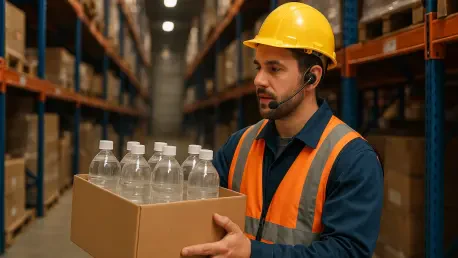
Voice-picking serves as a practical and scalable alternative for operations where full robotic automation is not yet economically or practically viable for the business. Beverage distributors are navigating a landscape defined by an explosion of Stock Keeping Units (SKUs) and a tightening labor

Building a self-operating logistics system requires transforming legacy software from static data repositories into a dynamic, reasoning-capable ecosystem. The logistics industry is currently transitioning from a period of experimental artificial intelligence to the implementation of comprehensive

Automation in warehouses and industrial environments drove the transportation segment to a 21% increase, totaling 117,500 units delivered to logistics providers worldwide. This surge represents just one facet of a broader transformation detailed in the World Robotics 2026 report, which indicates

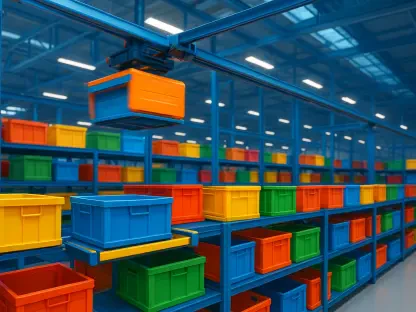
The adoption of automated inventory systems can mitigate operational risks for high-volume wholesalers by reducing the frequency of stockouts by as much as 90 percent. This advancement is a cornerstone of the modern wholesale industry, which has moved decisively away from the limitations of