
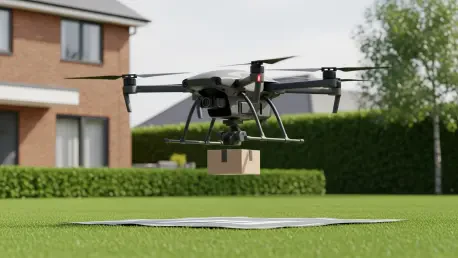
The arrival of Prime Air in the UK represents a pivotal shift in logistical operations, where traditional road networks no longer serve as the sole backbone for rapid e-commerce fulfillment. Amazon's integration of the MK30 drone into the British airspace marks the transition from conceptual

The rapid transition from fragile and linear supply chains toward elastic, self-correcting neural networks marks the most significant architectural shift in global commerce since the advent of the standardized shipping container. Businesses today no longer view logistics as a back-office burden but
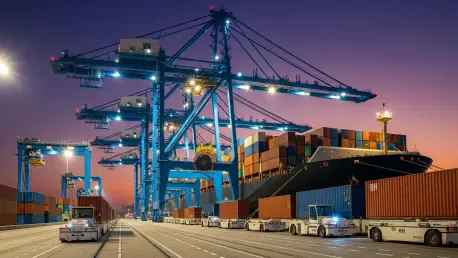
The global rhythm of commerce pulses through a silent network of massive ships and humming cargo jets that ensure a morning coffee or a new smartphone arrives exactly when promised. Modern life relies on this complex web of movement that most people only notice when a package is late or a retail
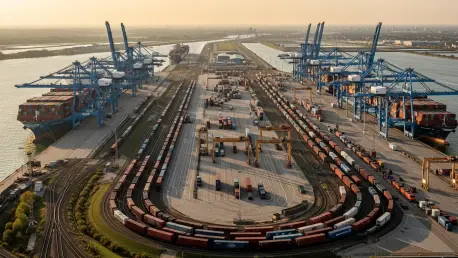
The global supply chain no longer relies on a single dominant maritime entry point but rather on a sophisticated tug-of-war between inland-focused gateways and agile transshipment relay stations. As the maritime sector maneuvers through the complexities of the current year, the infrastructure and
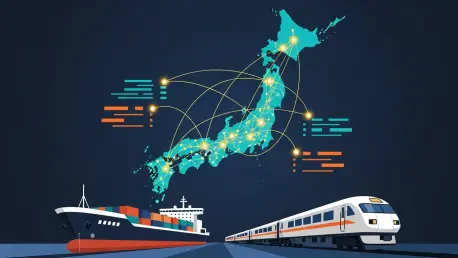
The sprawling network of warehouses and transit routes that constitutes Japan’s logistics sector is currently undergoing a profound transformation as the nation grapples with systemic labor shortages and rising operational costs. For decades, the industry operated under a low-cost model that

The global movement of life-saving medicines and delicate food supplies depends on a seamless network of refrigerated infrastructure that must operate with surgical precision across international borders. As international trade becomes increasingly complex, the role of temperature-controlled
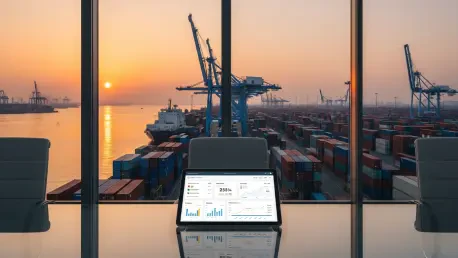
The decision to invest in modern logistics technology today hinges less on the visual appeal of a digital dashboard and more on whether a booking actually reaches a carrier system without manual intervention. Shippers no longer prioritize simple quote-searching; instead, they seek integrated

Global supply chain leaders frequently discover that their expensive investments in visibility software result in nothing more than colorful maps that lack actionable intelligence. While the promise of a control tower centers on the ability to orchestrate complex logistical movements in real-time,
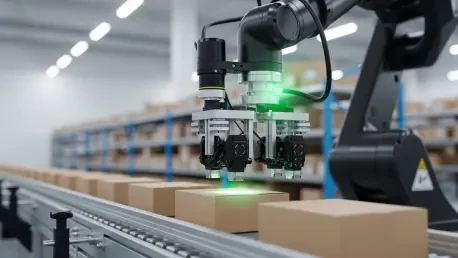
The silent hum of a fully autonomous fulfillment center provides a stark contrast to the frantic shouting that once defined the morning shift in global logistics hubs. By mid-2026, the industry has transitioned into an era where artificial intelligence does not just suggest a path forward but
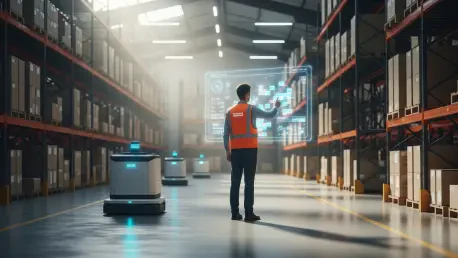
The integration of sophisticated artificial intelligence into the physical reality of global logistics has fundamentally altered how distribution centers manage the constant ebb and flow of international commerce. This review explores the rapid evolution of technology within the logistics sector,


