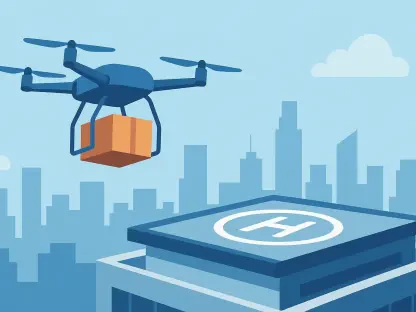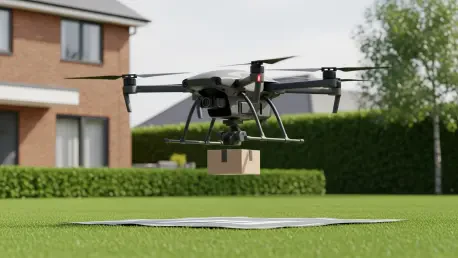

The arrival of Prime Air in the UK represents a pivotal shift in logistical operations, where traditional road networks no longer serve as the sole backbone for rapid e-commerce fulfillment. Amazon’s integration of the MK30 drone into the British airspace marks the transition from conceptual testing to functional reality. This technology utilizes sophisticated “sense-and-avoid” systems to navigate complex environments, ensuring safety and precision. The move aims to slash delivery times to under an hour for lightweight items, targeting residential areas that have long struggled with van-based congestion. By bypassing traditional traffic hurdles, the drone fleet offers a specialized solution for high-urgency consumer needs. This initiative reflects a broader strategy to decentralize distribution hubs and leverage aerial corridors for the final mile. As regulatory frameworks evolve to accommodate unmanned aerial vehicles, the infrastructure of suburban neighborhoods begins to shift toward a hybrid model of ground and air transport. The environmental impact also remains a central point of discussion, as battery-operated drones present a significantly lower carbon footprint compared to diesel-powered delivery vans idling in traffic.
1. Advancing the Deployment of MK30 Drones
Operationalizing this fleet requires more than just high-tech hardware; it demands a seamless integration with existing fulfillment centers and the local air traffic management system. The MK30 model is designed to operate in various weather conditions, including light rain and moderate winds, which is essential for the unpredictable British climate. These drones are deployed from specialized sites where automated systems load packages and perform diagnostic checks before takeoff. Once in the air, the drones follow pre-programmed flight paths, constantly communicating with central servers to monitor positioning and potential obstacles. This layer of automation reduces the need for human intervention, allowing for a scalable model that can handle thousands of packages simultaneously across different regions. Furthermore, the collaboration with the Civil Aviation Authority has paved the way for beyond-visual-line-of-sight operations, which are critical for reaching a wider customer base. This legal progress ensures that the technology can move beyond small-scale pilot programs into a standard feature of the retail landscape. The transition toward autonomous flight paths also necessitates a high degree of cybersecurity to protect the integrity of the delivery network.
2. Establishing Sustainable Infrastructure Networks
The strategic rollout focused on high-density suburban areas where the demand for rapid fulfillment justified the initial capital expenditure on drone infrastructure. Stakeholders recognized that the success of this transition depended heavily on public acceptance and the mitigation of noise pollution in residential zones. Consequently, the engineering team prioritized the development of quieter propulsion systems, which effectively reduced the acoustic signature of the drones during low-altitude maneuvers. Looking ahead, the focus shifted toward establishing a network of micro-fulfillment hubs that serve as charging and docking stations for the aerial fleet. These hubs allowed for a more circular logistics model, reducing the distance drones traveled from base to customer. Decision-makers evaluated the potential for these systems to support emergency services or medical deliveries, broadening the utility of the technology beyond simple retail. Future considerations were directed at the standardization of landing zones in private gardens or designated community drop-off points to ensure maximum safety. This comprehensive approach ensured that the transition was not just a technical achievement but a sustainable evolution of the delivery ecosystem.