

Regional airports are transforming into specialized logistics platforms by offering streamlined customs and handling procedures that bypass congested primary cargo hubs. This structural evolution marks a departure from the traditional hub-and-spoke models that have dominated the aviation industry

The relentless pursuit of supply chain optimization has forced modern enterprises to choose between the rigid reliability of rule-based systems and the fluid, often opaque intelligence of machine learning. The transition from manual coordination to automated systems has redefined how goods move

Technical malfunctions in autonomous hardware remain a hurdle for Amazon as it seeks to convince the public of the safety and accuracy of its Prime Air delivery fleet. Recently, a specific incident in a California residential neighborhood saw a MK30 drone release its cargo prematurely, resulting in

Data-driven pricing signals derived from millions of transactions are replacing traditional intuition as the primary method for valuing vehicle transport loads. For decades, the industry relied on human dispatchers who estimated costs based on seasonal hunches or basic mileage charts, often leading
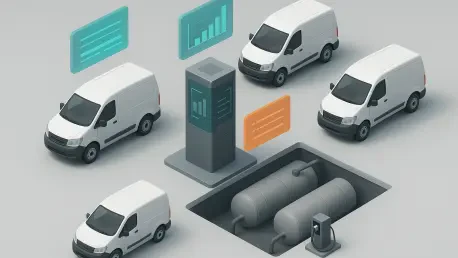
Commercial fleet operators often struggle with fragmented tools for fuel card controls and site operations, a challenge that the Vontier-EKOS merger is designed to eliminate. For years, the industry operated in silos where hardware at the fueling station rarely communicated effectively with the
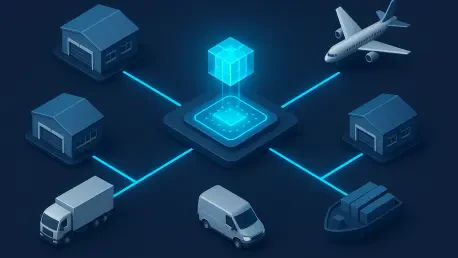
The massive transformation of the Indian logistics market into a tech-driven, organized ecosystem is no longer a distant projection but a present-day reality forcing established players to redefine their very existence. The sector is currently navigating a period where traditional freight movement

The logistics industry stands at a pivotal junction where the pressure to automate complex freight workflows often conflicts with the visceral need for operational stability and human trust. This guide provides a strategic framework for moving away from the chaotic adoption of isolated tools toward
With freight pricing largely commodified across the industry, back-office labor expenses have emerged as the single most important variable affecting a firm's long-term profitability. Lead Smart Inc has addressed this challenge by developing a comprehensive suite of automation tools designed to

CEVA Logistics confirmed that the July 30 intrusion targeted systems managing delivery details, highlighting a critical gap in external supply chain security protocols. This incident serves as a reminder that consumer privacy is no longer confined to the retailer’s primary database. Instead,

While the sight of a delivery van remains a staple of suburban life, the high-pitched hum of autonomous rotors is quickly becoming the definitive soundtrack of a modern, hyper-efficient logistics infrastructure. The autonomous drone delivery industry represents a significant advancement in


