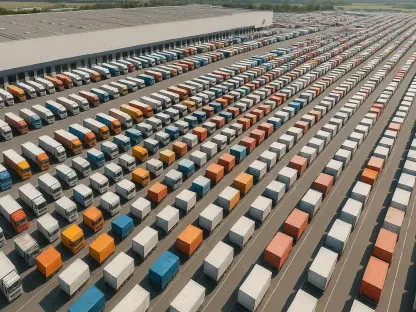

The transformation of modern logistics facilities into centers of high-performance strategy requires a fundamental reassessment of how human capital is deployed across the vast reaches of the distribution floor. For years, the warehouse functioned as a quiet backend operation, a necessary but often overlooked cost center focused primarily on simple storage and inventory movement. However, as global supply chains become more volatile and consumer expectations for speed reach unprecedented levels, the facility has emerged as a core pillar of corporate health. Utilizing the Warehouse Maturity Curve allows organizations to benchmark their current standing against industry leaders, providing a roadmap for evolving from basic support to strategic excellence.
The workforce itself is undergoing a radical transition, moving away from being viewed as a simple variable expense toward being treated as a dynamic, optimized asset. This shift is catalyzed by maturity modeling, which provides a structured approach to assessing how labor is utilized at every stage of the fulfillment process. Warehouse Management Systems (WMS) provide the technological foundation for this transition, establishing performance standards that allow companies to measure themselves against global benchmarks. By adopting these frameworks, firms turn operational visibility into a competitive advantage that reaches far beyond the loading dock.
Transforming Warehouse Management: From a Support Function to a Strategic Asset
Modern distribution centers have shed their reputation as static storage rooms to become the engine rooms of brand loyalty and market responsiveness. As business leaders integrate logistics into their broader corporate strategy, the efficiency of the warehouse floor now directly influences stock availability and customer satisfaction scores. This elevation of status means that every minute of labor must be accounted for and aligned with overarching business goals rather than just daily throughput targets.
Moving through the maturity curve allows a business to evaluate its operational efficiency through a standardized lens, identifying where manual processes hinder growth. The transition from a cost center to a strategic asset involves sophisticated modeling where labor is no longer a fixed overhead but a flexible resource that scales with demand. WMS technology serves as the primary tool in this journey, setting the foundation for industry-wide performance standards that allow for objective benchmarking and continuous improvement.
Navigating the Socio-Economic Drivers of Modern Logistics
The current logistics landscape is defined by a tightening labor market and a noticeable shift in the available talent pool. Companies operating from 2026 to 2030 face a reality where traditional recruitment methods no longer yield the volume of staff required for manual operations. This scarcity is not merely a temporary fluctuation but a structural change in the global economy, as demographic shifts and a changing vocational landscape drive younger workers toward different career paths.
Examining Critical Trends: Talent Acquisition and Persistent Skill Shortages
The structural challenges of the skills shortage have forced a rethink of supply chain continuity and long-term resilience. With a shrinking talent pipeline, logistics firms must find ways to do more with fewer people, focusing on retention and the elevation of existing roles. Technology acts as a vital bridge for the 86% of companies currently facing operative staff shortages, allowing them to maintain service levels despite a leaner headcount.
Demographic shifts mean that the labor pool is not only smaller but also has different expectations regarding workplace technology and ergonomics. To attract the next generation of logistics professionals, organizations must demonstrate that their operations are modern, tech-enabled, and intellectually engaging. Integrating advanced software solutions helps mitigate the physical and cognitive strain of traditional roles, making the industry more attractive to a broader range of potential employees.
Assessing Performance Indicators: The Financial Impact of Labor Optimization
Market data consistently demonstrates a strong correlation between labor maturity and bottom-line profitability, as efficient resource management directly reduces the cost per unit handled. Projections suggest that organizations moving up the maturity curve can significantly offset the rising costs of manual labor by eliminating wasted movement and idle time. High-level performance is no longer just about working faster; it is about working with a level of precision that was previously unattainable.
A 22% productivity improvement benchmark is now associated with high-level task orchestration, a goal that many companies strive for as they exit the lower tiers of maturity. This level of optimization allows firms to handle higher volumes without a proportional increase in headcount, protecting margins during peak seasons. By focusing on these key performance indicators, logistics leaders can justify the investment in sophisticated systems that move the needle on financial performance.
Overcoming Structural Obstacles and Functional Inefficiencies
One of the most persistent drains on warehouse productivity is the phenomenon of deadheading, where workers or equipment move through the facility without performing any productive task. Traditional, siloed workflows often fail to recognize these gaps, leading to a significant amount of wasted energy and time. Breaking down these functional silos is essential for ensuring that personnel can move seamlessly across departments as requirements change throughout the shift.
The transition from reactive, historical reporting to proactive, data-driven planning is a hallmark of an organization that has overcome structural stagnation. Instead of reviewing what went wrong yesterday, managers now use real-time data to anticipate where bottlenecks might form in the next hour. This shift reduces the cognitive load on supervisors, allowing system-driven decision-making to handle the complexities of task assignment and flow management, thereby mitigating management bottlenecks.
Adapting to the Shifting Regulatory Landscape and Rising Employment Costs
Legislative changes regarding the National Living Wage and adjustments to National Insurance have fundamentally altered the math of warehouse operations. These rising employment costs put immediate pressure on operating margins, making labor efficiency a matter of financial survival rather than just operational preference. Organizations must find ways to extract more value from every labor hour to remain competitive in a landscape where the floor for wages continues to rise.
Compliance and regulatory standards serve as the essential baseline for Level 1 maturity, ensuring that all workforce planning is transparent and disciplined. New employment rights legislation necessitates a more structured approach to scheduling and resource management, requiring systems that can track and manage labor with high precision. Maintaining operational viability amidst these tightening fiscal regulations requires a level of labor resource management that only a high-maturity WMS can provide.
The Future of High-Performance Orchestration and Dynamic Workflows
Reaching Level 3 maturity transforms the WMS into a real-time decision engine that actively directs the flow of the warehouse. Rather than acting as a static database, the system evaluates live variables to determine the most efficient sequence of events for every worker. This evolution allows for the implementation of task interleaving, a disruptor to traditional sequences that ensures employees are always performing a valuable action, regardless of their location in the facility.
The integration of material handling equipment with human labor further minimizes empty travel time, creating a synchronized environment where machines and people work in harmony. This high-performance orchestration also supports sustainability goals by reducing the energy consumption associated with unnecessary journeys and equipment wear. The intersection of technology and sustainability is becoming a key differentiator for companies looking to optimize their carbon footprint while simultaneously improving their speed and accuracy.
Achieving Operational Resilience Through Maturity Progression
The assessment of the three-level maturity journey revealed that visibility and proactive planning were the essential precursors to dynamic orchestration. Organizations that successfully navigated this path found that they could maintain service levels even when faced with external labor shocks and rising costs. This progression moved the needle from simple task tracking to a sophisticated model where every movement was calculated for maximum impact.
Strategic recommendations for the future involved a heavy emphasis on investing in scalable WMS technology that could grow alongside the organization’s needs. Companies that prioritized the maturity curve positioned themselves as leaders in a high-cost environment, ensuring their survival through efficiency rather than just scale. This focus on high-performance maturity eventually created a sustainable competitive advantage that protected the business against the unpredictability of the global logistics market.