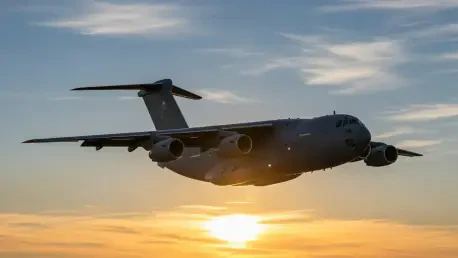

The silhouette of the Boeing 747 has defined the global logistics landscape for over half a century, but the economic gravity of the modern aviation market is pulling the industry toward a leaner, twin-engine future. Widebody logistics have traditionally relied on these heavy-lift aircraft to bridge continents, yet the recent collapse of operators like European Cargo signaled a definitive end to the improvised preighter era. These A340-600 models, once essential for hauling e-commerce during lockdowns, proved unable to withstand the rising pressures of the current market.
Geopolitical instability continues to rewrite the rules of global supply chains, forcing cargo carriers to prioritize operational resilience over sheer volume. Major players are now moving away from converted passenger models that lack specialized infrastructure and nose-loading capability. As manufacturing hubs migrate and trade routes evolve from 2026 onward, the demand for high-capacity air transport remains, but the platform for this delivery is undergoing a fundamental technological transformation.
Navigating the Changing Skies of Global Air Cargo
The historical dominance of heavy-lift aircraft is being challenged by a shift in how goods are distributed across the globe. Carriers are increasingly looking for purpose-built freighters that can handle the rigors of modern logistics without the excessive overhead associated with older designs. This transition marks a departure from the reliance on retired passenger jets, which often lack the structural integrity for long-term cargo operations.
Moreover, the shift is driven by the need for integration into sophisticated digital supply networks. Modern aircraft offer better data connectivity and real-time tracking, which are becoming standard requirements for high-value shipping. While the legacy of the four-engine freighter is secure in history books, its role in the daily trunk routes of global commerce is being rapidly redefined by these changing industrial standards.
Analyzing Market Shifting Dynamics and Economic Performance
Transitioning from High-Capacity Giants to Twin-Engine Efficiency
Fuel price volatility has become the primary architect of fleet strategy, with costs surging toward historical highs in the current 2026 cycle. This economic reality has accelerated the pivot toward the Boeing 777F and the Airbus A350F, which now lead in total units produced. These twin-engine models provide a balance of range and efficiency that makes the traditional four-engine configuration appear increasingly redundant for standard operations.
Consumer behavior in e-commerce further necessitates a move toward more agile and frequent delivery networks. Carriers find that operating multiple twin-engine flights provides better service levels than a single, massive quad-engine flight. This flexibility allows airlines to respond to fluctuating demand with greater precision while minimizing the financial risk associated with underutilized cargo space.
Evaluating the Commercial Viability of Aging Fleets
Despite the push for modernization, the commercial viability of the Boeing 747-8 remains stable due to its unique technical profile. Many of these aircraft are now entering a phase where their ownership costs are low, allowing operators to keep them in service despite higher fuel burn. This financial dynamic creates a buffer for specialized carriers who do not wish to take on the massive debt of new-generation fleets.
Market data on global manufacturing suggests that the need for oversized cargo transport will persist well into the 2030s. The 747’s ability to handle massive industrial components ensures it remains a vital asset for project-based logistics. However, the utilization rates for these aircraft are becoming more specialized, moving away from scheduled services and toward high-margin charter work.
Key Challenges Threatening the Viability of Quad-Engine Aircraft
The economic burden of fuel-intensive operations is compounded by the rising costs of specialized maintenance for aging airframes. As the fleet of four-engine jets shrinks, the availability of spare parts diminishes, leading to longer ground times and higher repair expenses. This scarcity of resources makes it difficult for smaller operators to maintain the high reliability standards required by modern logistics contracts.
Environmental pressures also pose a significant threat to less efficient propulsion systems. Stricter carbon footprint regulations at major international hubs are beginning to manifest as increased landing fees or restricted access for older, louder aircraft. Carriers must navigate these regulatory hurdles while balancing the need for the unique lifting capabilities that only legacy four-engine aircraft currently offer.
Operational Standards and the Financial Realities of Heavy Logistics
International aviation regulations are tightening their focus on noise and emission standards, directly impacting older widebody airframes. While the nose-loading capability provides a strategic advantage for oversized cargo, it does not exempt these planes from global sustainability mandates. Operators are forced to weigh the cost of technical compliance against the potential returns of keeping these veterans in the air.
Debt service and leasing costs play a pivotal role in the decision to maintain the Queen of the Skies. For many, the security of a paid-off airframe is more attractive than the high interest rates associated with financing new twin-engine replacements. This financial reality keeps specialized cargo sectors operational, ensuring that reliability is maintained through diligent safety protocols rather than just new technology.
Future Trajectories: The Evolution Toward Specialized Project Cargo
The 747-8F is establishing itself as a niche leader for oversized freight, a role that twin-engine aircraft cannot fully replicate. Innovation in the charter market has demonstrated that for certain high-margin sectors, loading capabilities are more important than fuel efficiency. This specialized demand will protect the lifespan of these aircraft as they transition away from standard cargo routes into the world of project logistics.
Global aircraft shortages and supply chain disruptions at manufacturers have inadvertently extended the functional life of many existing freighters. With new aircraft delivery windows pushed out several years, the existing four-engine fleet remains a critical fallback for the industry. This transition toward specialized operations ensures these giants remain a visible, if less frequent, part of the global aviation landscape.
Final Verdict: The Enduring Legacy and Niche Future of Cargo Giants
The industry outlook suggested that the four-engine freighter was evolving into a specialized tool rather than a mass-market staple. Operators balanced their portfolios by prioritizing newer twins for high-frequency routes while maintaining a few heavy-lift assets for specialized project needs. This dual strategy allowed firms to capture high-margin oversized cargo markets while reducing overall carbon exposure.
The final assessment of investment potential in heavy-lift assets indicated that 747-8 airframes remained valuable for those targeting infrastructure-heavy regions. Proactive fleet managers initiated training programs for crews specialized in nose-loading operations to maintain a competitive edge. These measures ensured that the legacy of quad-engine giants continued to provide essential support for global industrial growth through 2040.