
Logistics hubs across the globe are currently witnessing a seismic shift as traditional jet-fueled freight carriers yield their dominance to a sophisticated ecosystem of autonomous electric aircraft and artificial intelligence. This transformation is not merely a change in propulsion or piloting but represents a fundamental reimagining of how goods move through the stratosphere. By leveraging advanced machine learning algorithms, cargo operators have effectively eliminated the human-centric bottlenecks that once plagued the industry during peak seasons. These intelligent systems now manage everything from flight path optimization to real-time weight distribution with a level of precision that human dispatchers could never achieve. The result is a highly resilient supply chain that operates with surgical efficiency, drastically reducing the carbon footprint of global trade while simultaneously lowering operational costs for carriers and consumers. The implementation of these technologies has effectively shortened the distance between manufacturers and the end-users.
The Intelligent Sky: Orchestrating Autonomous Freight
Beyond the simple act of flight, the current era of air cargo relies heavily on the implementation of edge computing within the aircraft themselves. Modern autonomous electric vehicles are equipped with a suite of sensors that feed data into localized AI processors, allowing them to make split-second decisions regarding weather avoidance and energy conservation. This capability is particularly vital for electric aircraft where battery management is a critical factor in determining the viability of a mission. Instead of relying on centralized control towers, these vehicles communicate via a decentralized mesh network, sharing environmental data to ensure the safest and most efficient flight paths for the entire fleet. This shift toward self-governing air traffic has allowed for a massive increase in the density of cargo flights over urban areas without increasing the risk of mid-air collisions. Onboard intelligence and ground-based predictive analytics have turned air logistics into a 24-hour operation.
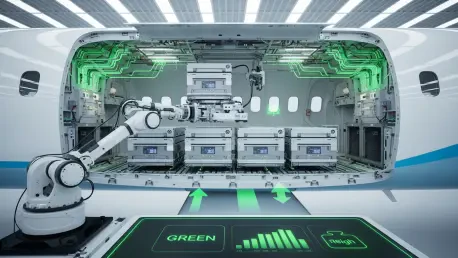
The economic implications of this technological leap are profound, as companies have moved away from the expensive hub-and-spoke models toward a more agile point-to-point delivery system. Autonomous electric aircraft do not require the massive runways or specialized ground crews associated with traditional cargo jets, allowing them to utilize smaller regional airports and dedicated landing pads. This flexibility has opened up new markets in remote areas that were previously too expensive to serve via air. Furthermore, the integration of robotic loading systems has synchronized the physical movement of goods with the digital data stream. Every package is tracked and repositioned by autonomous ground vehicles that interact directly with the aircraft’s AI to ensure perfect balance and maximum cargo density. This automated harmony minimizes the time aircraft spend on the ground, ensuring that the primary asset is always in the air generating revenue rather than sitting idle in a hangar.
Infrastructure Evolution: Redefining Logistics for the Electric Age
Supporting a fleet of electric cargo aircraft required a total overhaul of the existing power infrastructure at major distribution centers. Logistics providers have invested heavily in microgrids that combine solar arrays with large-scale battery storage to ensure that their fleets can charge rapidly without straining the municipal grid. The AI systems overseeing these facilities do more than just manage flight schedules; they orchestrate the entire energy lifecycle of the operation. By predicting when energy prices will be lowest or when renewable generation will peak, these systems schedule charging cycles to minimize costs and maximize sustainability. This level of integration ensures that the electric part of the electric vehicle transition is truly green, rather than simply shifting emissions from the aircraft to a power plant. The sophistication of these energy management platforms has become a key competitive advantage for leading logistics firms, allowing them to hedge against energy market volatility.
The industry transitioned toward this model by prioritizing modular software architectures that allowed for rapid updates as new AI models became available. Decision-makers recognized that the hardware of an electric aircraft was only as effective as the intelligence guiding it, which led to significant capital being diverted into software development and data security. Organizations that successfully navigated this period focused on building interdisciplinary teams where aerospace engineers worked alongside data scientists to refine autonomous flight algorithms. It became clear that the path forward required a commitment to open standards for vehicle-to-vehicle communication to ensure interoperability across different manufacturers. Strategic imperatives prioritized the auditing of existing cybersecurity protocols and the integration of resilient AI models. These developments successfully secured the digital supply chain against emerging threats that targeted autonomous navigation systems during the deployment phase.