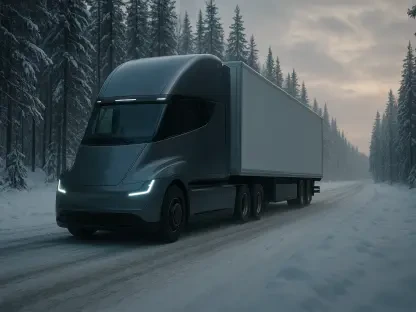

The global logistics network has reached a critical inflection point where traditional human-centric methods are no longer sufficient to meet the escalating demands of modern commerce and consumer expectations. Despite years of attempting to patch the labor gap with increased wages, the chronic shortage of long-haul drivers remains a primary inhibitor of economic throughput across the United States. Recent advancements in sensor fusion and edge computing have finally pushed autonomous trucking out of the testing phase and into live revenue-generating operations on major freight corridors. These systems utilize sophisticated lidar, radar, and high-definition mapping to navigate complex highway environments with a level of precision that exceeds human capability over long durations. While safety remains the paramount concern, the data indicates that these vehicles can operate with higher uptime, circumventing the regulatory limitations on driving hours that restrict human operators. By removing the need for frequent rest stops, the logistical cycle can transition to a continuous flow, reducing transit times and lowering the operational overhead associated with fuel consumption.
Technical Implementation: Autonomous Integration and Strategic Infrastructure
Commercial deployment of Level 4 autonomous trucks has transitioned from controlled pilots to scalable hub-to-hub models that specifically target the most arduous segments of long-distance hauling. Leading firms like Kodiak Robotics and Aurora have refined their software stacks to handle edge cases such as unpredictable weather patterns and aggressive lane-merging behavior from surrounding passenger vehicles. These trucks operate primarily on interstate highways, moving freight between massive distribution centers located on the outskirts of major metropolitan areas where human drivers then take over for the complex last-mile navigation. This hybrid approach effectively utilizes the strengths of both parties, allowing silicon-based intelligence to manage the monotonous high-speed stretches while preserving high-touch tasks for the local workforce. Furthermore, the integration of 5G-enabled communication allows these fleets to move in tightly grouped platoons. This technique reduces aerodynamic drag and improves fuel efficiency, providing a tangible solution to the rising costs of diesel and the pressure for decarbonization.
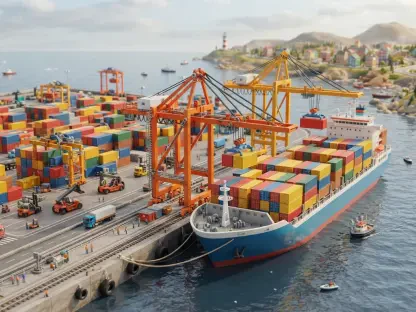
The successful resolution of the logistics crisis required a holistic realignment of both regulatory frameworks and technological standards to accommodate the coexistence of machine and man. Policymakers across various states synchronized their safety requirements, which allowed for the seamless movement of autonomous freight across borders without the friction of conflicting jurisdictional mandates. Industry leaders prioritized the establishment of standardized data-sharing protocols, enabling diverse autonomous platforms to communicate effectively within shared intermodal hubs and rail terminals. This period of rapid transition necessitated a significant focus on reskilling the workforce, shifting many former long-haul drivers into high-demand roles as remote fleet supervisors and technical specialists. By treating automation as a collaborative tool rather than a disruptive replacement, the supply chain achieved a level of resilience that was previously unattainable during the era of manual dependency. The investment in robust cyber-security measures proved essential in protecting the integrity of the national freight network against potential disruptions. Ultimately, the adoption of these advanced technologies provided a sustainable path forward, ensuring that the movement of essential goods remained efficient and scalable.