
The global movement of life-saving medicines and delicate food supplies depends on a seamless network of refrigerated infrastructure that must operate with surgical precision across international borders. As international trade becomes increasingly complex, the role of temperature-controlled logistics has expanded from a niche service to a critical pillar of global supply chain resilience. Major infrastructure players are now integrating advanced technology directly into port operations to ensure that the integrity of pharmaceuticals, healthcare products, and perishables remains uncompromised during transit.
Understanding the importance of this integrity is essential for maintaining the flow of goods in a volatile market. The current scale of cold chain operations reflects a growing reliance on specialized hubs that can handle the specific thermal requirements of various industry segments. By assessing the role of these facilities, stakeholders can better navigate the shifting dynamics of global trade, where the speed and reliability of temperature-sensitive cargo often determine the success of international commercial ventures.
The Evolving Landscape of Global Cold Chain Operations
The significance of cold chain logistics has reached a new peak as healthcare and food security become top priorities for nations worldwide. This sector is no longer just about keeping food cold; it involves a sophisticated blend of engineering and data science to monitor cargo from origin to destination. Infrastructure developments at major maritime gateways are now designed to support these high-demand segments by offering specialized zones for everything from vaccines to fresh organic produce.
Moreover, the integration of real-time monitoring and automation within port terminals has redefined the standards for operational efficiency. Modern ports are transforming into data-driven ecosystems where every pallet’s temperature is logged and analyzed. This technological shift allows for a more proactive approach to logistics, enabling operators to identify potential disruptions before they impact the quality of the cargo, thereby reinforcing the overall stability of the global trade network.
Strategic Shifts and Economic Indicators in Cold Storage
Emerging Trends and the Rise of Integrated Specialized Facilities
A notable trend in the industry is the shift toward single-location logistics solutions that streamline the movement of goods from sea to storage. By consolidating terminal handling and warehousing into a single integrated hub, companies can significantly reduce the complexity of their supply chains. This approach minimizes the number of handoffs, which are traditionally the most vulnerable points for temperature fluctuations and logistical delays in the cold chain.
The demand for multi-temperature zones has also surged as cargo becomes more diverse and sensitive. Modern warehouses are now being built with specialized chambers tailored for specific products, ensuring that vaccines and fresh produce can be stored in the same facility without risk. This flexibility is driven by changing consumer behaviors and the need for rapid delivery, making high-capacity, automated hubs a necessity for any logistics provider looking to remain competitive in a fast-paced market.
Market Growth Projections and European Trade Dynamics
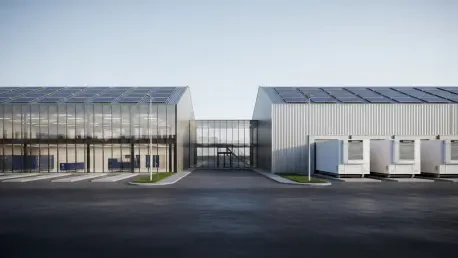
Economic indicators point to a rising demand for cold storage capacity within the European gateway, particularly as regional trade volumes continue to grow. DP World’s €100 million investment in the Port of Antwerp is a strategic response to this need, providing a massive boost to the region’s logistical capabilities. This funding supports the development of 55,000 square meters of specialized space, positioning the port as a premier destination for pharmaceutical and chemical exports.
Forecasting the impact of this investment reveals a strong potential for increased trade efficiency across the continent. The new specialized warehouse space offers a distinct competitive advantage, allowing the port to absorb larger volumes of sensitive cargo while maintaining strict quality controls. As European trade dynamics favor highly connected multimodal hubs, the Port of Antwerp is set to become an even more vital node in the international movement of high-value temperature-controlled goods.
Operational Hurdles and Mitigation Strategies in Perishable Logistics
Maintaining strict temperature ranges across diverse transport networks remains one of the most significant technical challenges in the industry. Cargo spoilage is a constant threat that carries heavy financial implications and can lead to severe logistics bottlenecks if not managed correctly. To mitigate these risks, operators are implementing rigorous protocols and using advanced thermal shielding to protect goods during the critical transitions between ships, trucks, and storage facilities.
Furthermore, the energy consumption of large-scale refrigerated warehouses poses a long-term challenge for the sector. Strategies to overcome this issue involve optimizing the location of these hubs to utilize more efficient transport modes, such as rail and inland waterways. Proximity to these multimodal networks not only reduces the carbon footprint of the distribution process but also helps avoid the road congestion that often leads to unpredictable delays in the delivery of perishable goods.
Standardization and Sustainability in Temperature-Controlled Trade
Adherence to international quality standards is a non-negotiable requirement for modern cold chain operations. Standards such as Good Distribution Practice for pharmaceuticals provide a framework that ensures the safety and efficacy of healthcare products throughout the supply chain. Compliance with these regulations requires high-level security measures and constant surveillance within port terminals, ensuring that sensitive cargo is protected from both environmental factors and unauthorized access.
Sustainability has also become a core focus, with green building certifications like the BREEAM Excellent standard becoming the new norm for logistics infrastructure. Modern facilities must comply with stringent environmental regulations and carbon reduction targets to remain viable in the long term. By integrating renewable energy sources and energy-efficient cooling technologies, these hubs not only meet regulatory demands but also provide a more sustainable path for the future of temperature-controlled trade.
Future Horizons for Global Cold Chain Connectivity
Future market disruptors, including AI-driven logistics and autonomous transport, are expected to further transform the cold chain landscape. Artificial intelligence can optimize cooling schedules and predict maintenance needs, reducing waste and increasing the lifespan of critical infrastructure. As these technologies mature, the potential for Antwerp to serve as a global template for sustainable, port-side cold chain hubs becomes increasingly likely, offering a glimpse into a more automated trade environment.
Global economic shifts and adjustments in trade lanes will continue to favor multimodal nodes that offer seamless connectivity. End-to-end logistics providers will play a pivotal role in shaping international commerce by offering integrated services that span the entire supply chain. This evolution toward more connected and technologically advanced hubs will ensure that the global cold chain remains robust enough to handle the challenges of a rapidly changing world economy.
Final Assessment of the Antwerp Hub’s Economic Impact
The collaboration between DP World and Montea successfully addressed the urgent requirement for integrated cold chain solutions in the European market. By establishing a high-capacity hub at a strategic maritime gateway, the project set a new benchmark for how port-side infrastructure could enhance the reliability of sensitive cargo transport. This development proved that the integration of specialized warehousing with existing terminal operations was a vital step for regional economic growth.
Stakeholders and investors who recognized the value of this specialized logistics sector found substantial opportunities for expansion and stability. The hub’s ability to combine multimodal connectivity with stringent sustainability standards offered a clear path for maintaining competitiveness in a crowded international market. Ultimately, the project demonstrated that the future of global commerce depended on the creation of highly efficient, secure, and environmentally responsible nodes that could bridge the gap between sea and shore.