
Resilience in Transition: An Overview of Pos Malaysia’s Q1 Performance
The ability of a national postal carrier to reinvent itself in the face of systemic digital disruption is perhaps the ultimate litmus test for legacy infrastructure in the modern age. Pos Malaysia Berhad has kicked off the first quarter of the fiscal year with a notable display of financial resilience, signaling a potential turning point in its long-term transformation journey. The Group reported a revenue increase to RM501.4 million, a 7.3% rise compared to the previous year, which helped facilitate a significant 63.7% reduction in its loss before tax. This performance suggests that the company’s dual focus on aggressive cost-control measures and targeted revenue growth in high-performing sectors is beginning to yield tangible results.
The relevance of this report extends beyond simple accounting; it reflects the broader challenges and opportunities within the logistics and postal sectors as they adapt to a post-pandemic economy. Readers can expect an exploration of how Pos Malaysia is balancing its legacy obligations with the demands of a modern, e-commerce-driven market. This analysis examines the specific drivers behind the narrowing losses, the operational hurdles that remain, and the strategic framework the Group is employing to secure its future in an increasingly competitive landscape. By stabilizing its core while expanding its reach, the Group is attempting to bridge the gap between historical necessity and future profitability.
Navigating Structural Shifts: The Evolution of Malaysia’s Postal Landscape
To understand Pos Malaysia’s current trajectory, one must consider the profound shifts that have redefined the postal industry over the last decade. Historically, national postal services relied on consistent volumes of traditional mail and a sprawling physical retail network. However, the rapid acceleration of digital communication has led to a persistent decline in letter mail, forcing legacy operators to pivot toward parcel delivery and logistics. This transition has not been without friction, as traditional operators often carry the heavy burden of the Universal Service Obligation (USO), requiring them to maintain service to even the most remote areas regardless of profitability.
These background factors are critical because they highlight why a 63.7% improvement in pre-tax losses is so significant. In recent years, the industry has seen an influx of lean, tech-heavy competitors that have driven down margins in the courier space. Pos Malaysia’s ability to grow revenue while streamlining its internal cost structure demonstrates a successful navigation of these industry-wide pressures. Understanding this context allows stakeholders to see that the Group’s current success was not merely a product of market luck, but rather the result of a deliberate, multi-year effort to modernize a legacy institution.
Deconstructing the Turnaround Strategy: Segments and Efficiency
Boosting the Postal Engine Through Parcel Growth and Margin Accretion
The postal segment remains the central pillar of Pos Malaysia’s operations, and its performance in Q1 was bolstered by a 24.6% surge in parcel volumes. This growth was largely fueled by the robust e-commerce market and the Group’s successful capture of a larger market share. However, the strategy under leadership has shifted away from chasing volume at any cost. Instead, the focus is now on “margin accretion,” ensuring that each parcel delivered contributes meaningfully to the bottom line. This shift is a direct response to the structural headwinds of declining traditional mail and reduced retail footfall, proving that a more selective, value-driven approach can stabilize revenue.
Diverse Revenue Streams: The Resurgence of Aviation and Logistics Rationalization
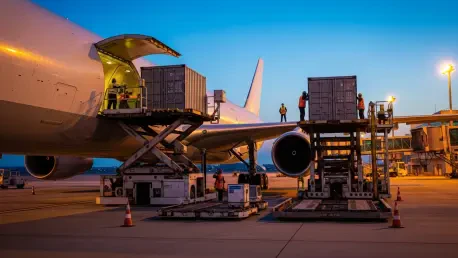
Beyond its core postal services, the Group has seen positive momentum in its aviation and logistics divisions. Pos Aviation has benefited significantly from the global recovery in travel and trade, seeing increased demand for ground handling and in-flight catering services. Simultaneously, Pos Logistics has undergone a rigorous internal restructuring aimed at long-term productivity. By rationalizing unprofitable contracts and optimizing overhead costs, the logistics arm is being repositioned as a leaner, more efficient contributor to the Group’s total earnings. This comparative strength across different business units provides a diversified buffer against volatility in any single market segment.
Operational Excellence and Global Benchmarking
A critical aspect of Pos Malaysia’s recovery is its commitment to service reliability. Recently, the company achieved a 92% next-day delivery performance rate, a metric that places it among the top tier of global operators. This operational discipline earned the Group the Gold Award for International Express Mail Service from the Universal Postal Union, ranking them third out of nearly 200 global operators. These achievements help dispel the common misunderstanding that legacy postal services cannot compete with modern private couriers in terms of speed. This international recognition serves as a powerful validation of the Group’s internal methodologies and its ability to deliver high-quality service on a massive scale.
Future Outlook: Digital Transformation and Macroeconomic Headwinds
Looking toward the remainder of the year, the Group is preparing to double down on its digital expansion and network rationalization. The goal is to create a digital-first environment that simplifies customer interactions and enhances internal data analytics. However, the path forward is tempered by significant external risks. Market volatility and intensified competition in the courier space remain constant pressures. Furthermore, geopolitical tensions threaten to disrupt global supply chains, potentially leading to higher fuel costs and fluctuating freight rates that could eat into the Group’s improving margins.
Despite these challenges, market analysis suggests that Pos Malaysia’s focus on “earnings quality” will be its most effective defense. By continuing to refine its network and pushing for regulatory reforms, such as the modernization of the Postal Services Act, the Group aims to create a more sustainable financial model. The anticipation is that as the company integrates more advanced automation and AI-driven logistics planning, it will become increasingly resilient to the macroeconomic shocks that have historically hampered its performance. This strategic pivot ensures the organization remains agile enough to respond to rapid shifts in consumer behavior.
Strategic Takeaways: Sustaining Momentum in a Volatile Market
The primary takeaway from Pos Malaysia’s Q1 results is that operational discipline and service excellence are the most reliable drivers of financial recovery. For businesses and professionals in the logistics sector, this underscores the importance of prioritizing quality over quantity in a saturated market. The Group’s success in narrowing losses while increasing revenue serves as a blueprint for legacy organizations undergoing digital transformation. Actionable strategies include the aggressive rationalization of unprofitable business lines and a relentless focus on meeting key performance indicators that directly impact customer satisfaction.
Furthermore, the Group’s advocacy for regulatory reform highlights a critical lesson: long-term viability often requires engaging with policy frameworks. For Pos Malaysia, securing sustainable funding for the Universal Service Obligation through the Postal Services Act is essential. Readers and industry stakeholders should recognize that while internal efficiency is vital, the broader regulatory environment plays a decisive role in the survival of essential public services. Applying these insights means looking beyond immediate financial statements to understand the structural health of an organization and its ability to influence the rules of the game.
Conclusion: A Disciplined Path Toward Long-term Viability
The first quarter performance showcased a company that effectively navigated a complex and often unforgiving transition. By achieving a narrower loss through increased revenue and rigorous cost management, the Group proved that its transformation framework functioned as a practical roadmap rather than a theoretical exercise. The combination of parcel volume growth and aviation recovery suggested that the Group rebuilt its reputation alongside its balance sheet. Stakeholders looked toward the modernization of the Postal Services Act as the next critical milestone for ensuring that the Universal Service Obligation remained financially viable.
This evolution shifted the narrative from survival to sustainability, emphasizing that digital innovation was no longer optional for national carriers. The Group prioritized higher-margin contracts and automated sorting capabilities to offset the inevitable decline of physical mail. Future success required a continued focus on cross-border logistics and specialized aviation services to diversify income streams away from volatile consumer delivery markets. Ultimately, the disciplined approach to overhead reduction and service quality provided a clear template for other legacy institutions facing similar technological disruptions in the global marketplace.