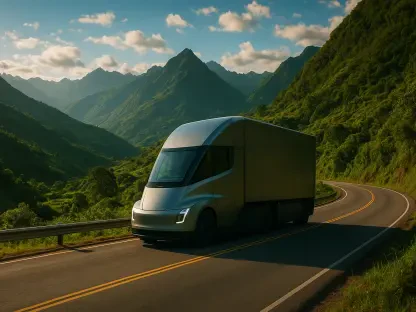

The global supply chain has historically relied on the sheer brute force of massive diesel locomotives and heavy-duty semi-trucks, but a paradigm shift is currently unfolding as autonomous electric rail technology begins to challenge the dominance of traditional road-based logistics. This transformation is being driven by the realization that current infrastructure is reaching its limits in terms of congestion, environmental impact, and cost-efficiency. Parallel Systems, a company founded by veterans of the aerospace industry, is at the heart of this movement, proposing a future where freight moves on individual, battery-electric vehicles rather than miles-long trains. By decoupling the cargo from the massive power plants of traditional locomotives, the industry is witnessing a move toward a software-defined rail network that promises the flexibility of trucking with the energy efficiency of steel wheels on steel tracks. This approach aims to reclaim the short-haul market, which has long been the exclusive domain of the trucking industry due to the inherent rigidities of legacy rail operations.
Engineering the Next Generation of Rail Freight
Decentralized Propulsion and Safety Systems
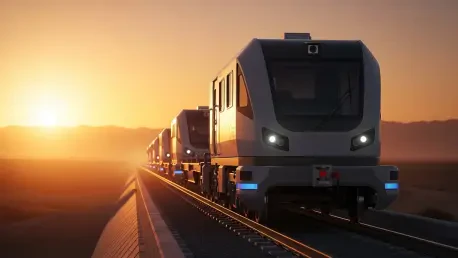
The engineering philosophy behind these autonomous rail cars centers on a radical departure from the centralized power model that has defined rail travel for over a century. Instead of a single locomotive pulling hundreds of passive cars, each unit is an independent vehicle equipped with its own battery-electric powertrain and sophisticated onboard computing. These individual cars use a combination of six high-definition cameras and LiDAR sensors to map their surroundings in real-time, allowing them to detect obstacles and respond to track conditions far more rapidly than a human operator could. The implementation of redundant braking systems further enhances safety, enabling these lightweight units to stop in a fraction of the distance required by a conventional freight train. This technical agility allows for a more dynamic use of existing trackage, as cars can operate in tight platoons or break away to reach specific destinations without the need for complex switching yards.
Software orchestration plays a critical role in managing these decentralized units, essentially turning the rail network into a high-capacity data bus for physical goods. Each car communicates its position and status continuously, allowing for micro-adjustments in speed and spacing that optimize energy consumption across the entire fleet. This level of coordination mimics the behavior of autonomous vehicle swarms but benefits from the predictable, low-friction environment of dedicated rail lines. Furthermore, the modular nature of the battery systems means that maintenance can be performed on individual units without sidelining an entire train, drastically increasing the uptime of the logistics network. By integrating aerospace-grade sensors with industrial-strength rail hardware, the system effectively bridges the gap between high-tech robotics and traditional heavy industry. This evolution ensures that the rail sector remains competitive against the rapid advancements in autonomous trucking while offering a significantly lower carbon footprint.
Enhancing Efficiency in Short-Haul Logistics
Historically, the rail industry has struggled to remain profitable on routes shorter than 500 miles because the overhead of assembling massive trains often outweighs the cost savings of rail transport. This economic barrier has allowed the trucking industry to dominate the $800 billion domestic freight market, leaving rail with a much smaller share concentrated in long-distance bulk hauling. The introduction of autonomous electric rail cars directly addresses this inefficiency by removing the need for massive scale to achieve profitability. Because these vehicles can move as soon as they are loaded, they eliminate the wait-to-fill delays that currently plague traditional rail operations. This creates a continuous flow of goods that mirrors the just-in-time delivery models favored by modern retailers and manufacturers. By targeting the drayage market—the critical link between ports and inland distribution centers—this technology provides a viable alternative to the thousands of truck trips that currently clog regional highways every day.
Furthermore, the operational flexibility of autonomous rail units allows for the revitalization of smaller, underutilized rail branches that were previously abandoned by major carriers. Many regional industrial parks have rail access that has sat dormant for years because traditional trains were too large and infrequent to serve them effectively. With the arrival of small, self-propelled units, these locations can once again become hubs of commercial activity, receiving frequent, smaller shipments that were previously only possible via heavy trucking. This decentralization not only reduces the wear and tear on public road infrastructure but also lowers the total cost of ownership for logistics providers by reducing fuel and labor expenses. As these systems move into full commercialization through 2027 and 2028, the ability to serve smaller markets with high-frequency service will likely disrupt the established hierarchy of freight transportation. This shift enables a more resilient supply chain that is less dependent on the availability of long-haul drivers and more responsive to real-time market demands.
Navigating the Transition to Autonomous Infrastructure
Bridging the Gap: Ports and Inland Hubs
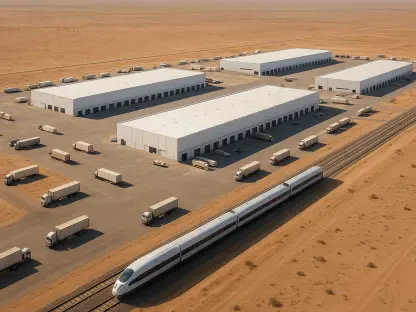
One of the most pressing challenges in modern logistics is the congestion at major maritime ports, where containers often sit for days waiting for available truck transport. The deployment of autonomous rail cars between the Port of Savannah and inland terminals like Cordele provides a blueprint for solving this bottleneck through automated shuttling. By creating a dedicated pipe for containers that operates around the clock without the constraints of driver hours-of-service regulations, port authorities can significantly increase their throughput. This system does not aim to eliminate trucks entirely but rather to redefine their role in the supply chain by shifting the heavy, high-volume hauling to the rail. This allows truck drivers to focus on the more profitable and less taxing last-mile deliveries from inland hubs to final destinations. Such a hybrid model optimizes the strengths of each mode of transport, using the efficiency of rail for the middle leg and the maneuverability of trucks for the final arrival at retail or residential locations.
The environmental benefits of this transition are equally significant, as battery-electric rail units produce zero tailpipe emissions compared to the diesel-heavy fleets that currently serve port routes. In regions like Southern California or the Southeast, where air quality is a major public health concern, the ability to move freight via electric rail offers a clear path toward meeting stringent sustainability goals. The current testing phase involves rigorous data collection on energy consumption and battery degradation under real-world industrial loads, ensuring that the hardware can withstand the demands of constant operation. As these pilot programs expand from 2026 to 2030, the integration of renewable energy sources at charging depots will further decouple the logistics sector from fossil fuel price volatility. This strategic move toward electrification not only addresses regulatory pressures but also aligns with the corporate social responsibility targets of global shipping giants. By modernizing the port-to-inland corridor, the industry is setting a new standard for how high-volume cargo can be moved both cleanly and efficiently.
Human Oversight: The Path to Full Autonomy
While the ultimate goal is a fully autonomous rail network, the current phase of development relies on a sophisticated human-in-the-loop oversight model to ensure safety and regulatory compliance. Remote operators, located in specialized command centers, monitor the progress of each vehicle and are prepared to take control if the onboard AI encounters an unfamiliar scenario. This approach mimics the operational structures found in modern drone fleets or advanced air mobility systems, where humans act as supervisors rather than direct pilots. This transition is crucial for building trust with both the public and regulatory bodies like the Federal Railroad Administration, which maintains strict standards for rail safety. By moving the workforce from the locomotive cab to a centralized control room, the industry can create higher-skilled jobs that offer better work-life balance and a safer environment. This shift also allows a single operator to oversee multiple vehicles simultaneously, drastically increasing the productivity of the workforce while maintaining a high level of situational awareness.
Regulatory frameworks are evolving alongside the technology, with new standards being established to govern the interaction between autonomous rail units and traditional trains. The data generated during current commercial testing provides the empirical evidence needed to refine these rules, particularly regarding right-of-way and emergency protocols. As the system demonstrates its reliability, the degree of human intervention is expected to decrease, allowing the AI to handle more complex tasks independently. This gradual progression ensures that safety remains the top priority while the industry works toward the full-scale manufacturing of third-generation autonomous vehicles. The partnership between technology startups and established rail operators is essential in this regard, as it combines the agility of software development with the deep institutional knowledge of the rail industry. This collaborative effort is paving the way for a transportation network that is not only smarter but also more adaptable to the shifting demands of global trade. By the end of this decade, the presence of autonomous rail units on the national trackage will likely be a standard feature of the logistics landscape.
The industry recognized that the successful integration of autonomous electric rail units required a fundamental reassessment of traditional logistics workflows. It became clear that the path forward involved not just technical innovation, but also the active participation of stakeholders in the regulatory and labor sectors. Moving toward a more resilient and sustainable future, organizations focused on investing in the necessary charging infrastructure and digital twinning technologies to support large-scale autonomous operations. The transition highlighted the importance of standardizing communication protocols between disparate autonomous systems to ensure seamless interoperability across different rail networks. Future considerations revolved around the potential for these rail units to serve as mobile energy storage nodes, further integrating the transportation sector with the green energy grid. This strategic alignment of technology and policy provided a clear roadmap for reducing road congestion while significantly lowering the carbon footprint of domestic freight transportation.