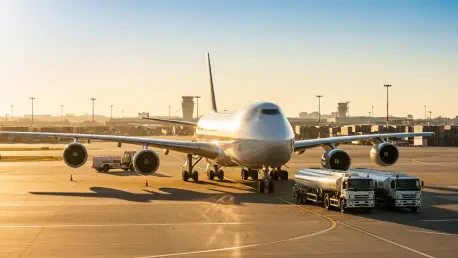

As massive freighter jets roar across the Pacific carrying the heavy components of the American economy, a silent financial storm is brewing in their fuel tanks. While commercial passengers often focus on ticket prices, the engines of global commerce—dedicated cargo freighters—are currently grappling with a financial surge that threatens to stall the supply chain. As geopolitical instability in the Middle East sends jet fuel prices skyrocketing, the National Air Carrier Association (NACA) is sounding the alarm, warning that the current trajectory of energy costs is unsustainable for carriers like Atlas Air and Amerijet.
The High Cost of Staying Airborne: A Critical Turning Point
Fuel is the single largest overhead expense for cargo airlines, but its impact extends far beyond the tarmac. Because air freight is the backbone of the “just-in-time” economy, an increase in transportation costs acts as a hidden tax on essential goods. From the rapid delivery of life-saving medical supplies and sensitive electronic components to the arrival of perishables on grocery shelves, the financial health of cargo carriers is directly linked to domestic price stability and the broader fight against inflation.
Why the Cargo Fuel Crisis Hits Every American Household
The NACA is formally calling on the federal government to implement a temporary waiver on jet fuel excise taxes to offset recent spikes in operating expenditures. This proposal aims to provide immediate liquidity to carriers, ensuring that fixed schedules remain intact despite the volatility of global oil shipping routes. By freezing these taxes, the industry seeks to maintain current transportation capacity and prevent a logistical bottleneck that could further disrupt the domestic supply chain.
The Push for Federal Excise Tax Suspension
Industry leaders, including NACA President George Novak, emphasize that this is not a request for a bailout, but a strategic move toward long-term industrial stability. Analysts warn that if airlines are forced to absorb these costs without relief, the resulting “pass-through” pricing will inevitably lead to higher retail prices for consumers. Experts argue that the federal government must choose between short-term tax revenue and preventing a wider economic downturn.
Expert Perspectives on Economic Ripple Effects
Implementing a tax suspension is a complex process that requires more than just administrative approval. Since federal excise taxes are codified in law, a formal act of Congress is necessary to authorize any temporary suspension. Advocacy efforts must bridge the gap between fiscal conservatives and those focused on industrial subsidies by highlighting the anti-inflationary benefits of the proposal.
Navigating the Legislative Path to Relief
The industry recognized that public awareness remained essential for building the political will required for legislative action. Stakeholders evaluated the link between aviation fuel taxes and the daily cost of living to ensure the message resonated with policymakers. Ultimately, the focus shifted toward a coordinated strategy that prioritized the resilience of the national supply chain over standard fiscal protocols. Information sharing became the primary tool used to justify the urgency of this relief.