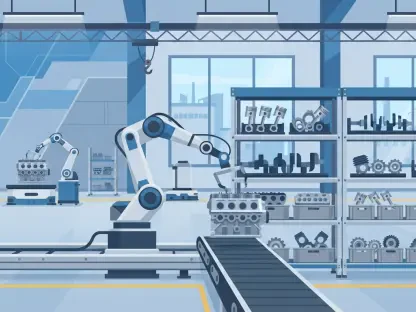
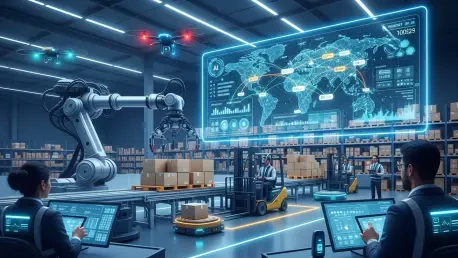
What happens when a single delay at a border crossing costs a company thousands of dollars in lost revenue and time? In the high-stakes world of freight logistics, such disruptions are a daily reality, threatening efficiency and profitability. Yet, a transformative force is at play—Artificial
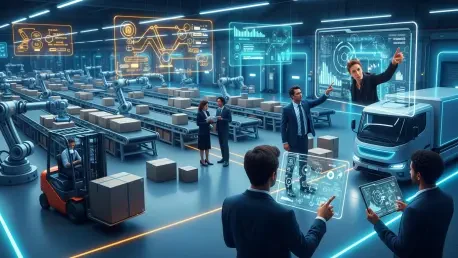
Imagine a global supply chain where trillions of dollars’ worth of goods move annually, yet importers struggle with outdated tools like emails and spreadsheets, leading to costly delays and inefficiencies that disrupt operations. This fragmented reality has long plagued the logistics industry,
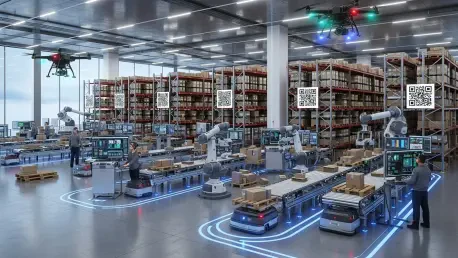
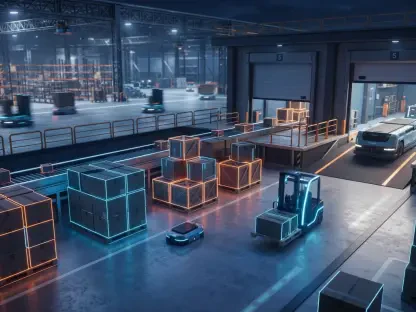
Imagine a warehouse where robots glide silently between aisles, sensors detect potential hazards before they escalate, and systems predict maintenance needs with uncanny precision. This is no longer a distant vision but a reality reshaping the logistics industry. Smart warehousing technologies have

What happens when a 175-year-old institution decides to embrace the cutting edge of technology? Picture this: a familiar red postbox on a quiet street corner, now humming with solar energy, ready to scan barcodes and accept parcels with a digital drawer. Royal Mail has rolled out 3,500 of these

Setting the Stage for a Logistics Revolution Imagine a world where trillions of dollars in goods move across borders annually, yet the systems managing these shipments are bogged down by outdated tools like emails and spreadsheets, highlighting the urgent need for change. This is the reality of

Imagine a logistics company in Sub-Saharan Africa struggling to track a fleet of trucks carrying critical goods across vast, remote regions where cellular coverage drops without warning, leaving cargo vulnerable and operations in disarray. This scenario, all too common in the transportation sector,