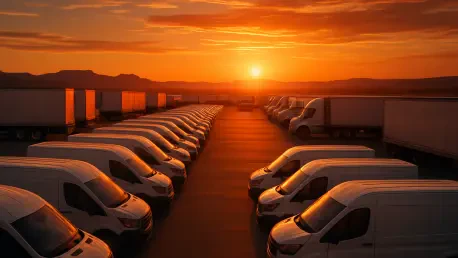
As the American consumer landscape undergoes a seismic transition toward digital-first procurement, the physical infrastructure of the nation is being radically reconfigured into a vast network of high-velocity distribution nodes. While high-tech sectors like artificial intelligence and cloud

The silent glide of a hundred-thousand-ton vessel slicing through the Pacific without a single puff of diesel smoke is no longer a localized naval secret but the emerging blueprint for a decarbonized global trade network. This transformation represents a significant advancement in the maritime
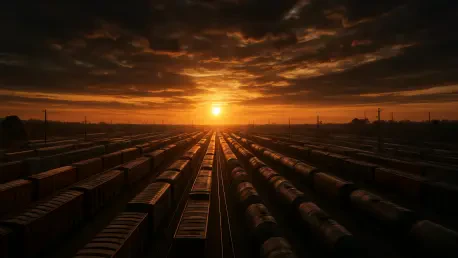
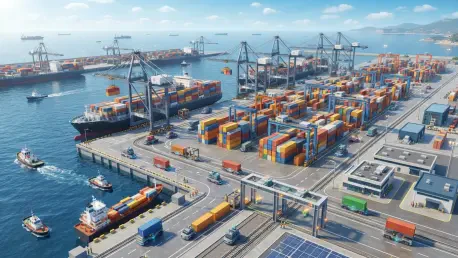
Modern commerce relies on a sophisticated web of high-performance logistics hubs that transform geographic proximity into a competitive advantage for global manufacturers and retailers. These hubs are not merely points on a map where goods are transferred from one mode of transport to another;
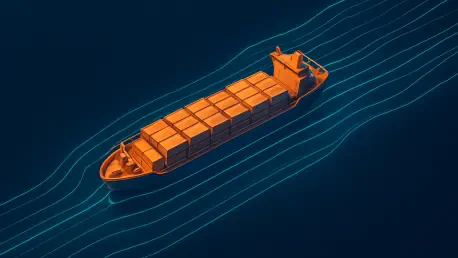
Rohit Laila stands at the intersection of traditional logistics and high-tech supply chain innovation, bringing decades of experience to a world currently rattled by maritime instability. As the Strait of Hormuz remains a flashpoint for global trade, his insights reveal a landscape where the cost
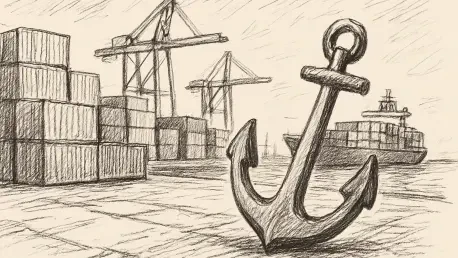
The decision by the Federal Maritime Commission to pursue aggressive financial penalties against Spanish maritime interests signifies a pivotal moment where commercial shipping lanes intersect with high-stakes national defense strategy. This formal action, announced in October 2026, stems from a

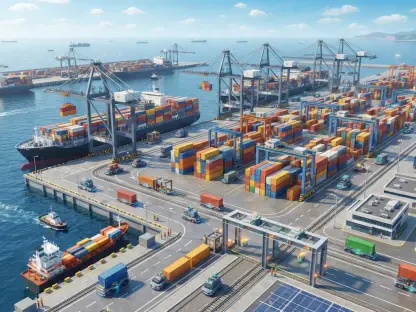
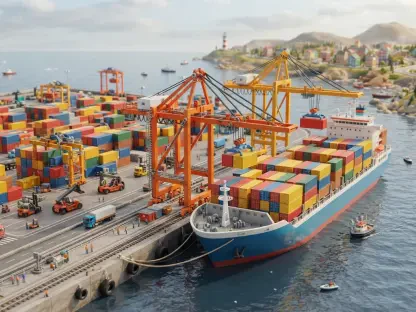
The Vital Nervous System of Global Trade and Its Digital Evolution Every single second, the invisible pulse of global commerce flows through a complex network of automated cranes, GPS-guided vessels, and intelligent sorting centers that operate without a moment of hesitation. This intricate web
1 2 3 4 5 6 7 8 9 10 11 12 13 14 15 16 17 18 19 20 21 22 23 24 25 26 27 28 29 30 31