
Rohit Laila brings a wealth of knowledge to the table, having spent years navigating the complexities of global supply chains and maritime logistics. With a keen eye for how innovation reshapes traditional shipping, he offers a unique perspective on the recent acquisition of Livestock Express by Heytesbury Group. Our discussion delves into the strategic realignment of fleet assets, the nuances of maintaining a legacy brand under new ownership, and the broader industry pivot toward renewable energy and infrastructure.
The acquisition involves 11 owned vessels and the entire Singapore operations, which is a massive undertaking. What are the immediate logistical hurdles in integrating such a specialized fleet, and how does this move solidify a firm’s standing in the global protein trade?
Integrating 11 modern, purpose-built vessels while taking over a specialized Singapore office requires seamless technical handovers to ensure no disruption in service. Heytesbury is not just buying hardware; they are securing a 60-year legacy of technical management that is vital for transporting live cargo safely across oceans. By folding these assets into their existing portfolio, which already includes the 2009-built Ocean Swagman purchased for $22 million, they become an undisputed titan in food security. This move allows them to control the entire logistics chain, ensuring that the tens of millions of people who rely on these shipments receive high-quality protein without the volatility of third-party chartering.
When a major carrier is absorbed by an agribusiness giant, there is often a push for consolidation. How can a company successfully maintain the brand identity and operational independence of Livestock Express while still serving markets outside the parent company’s current footprint?
Maintaining independence is a delicate balancing act that requires a commitment to “business as usual” to keep the trust of long-standing clients. It is essential that Livestock Express continues to operate as an independent carrier to prevent the perception that they only prioritize the parent company’s internal cargo needs. By keeping the existing Singapore-based management and technical teams, the brand retains its reputation for excellence in a niche where specialized knowledge is everything. This autonomy allows the fleet to stay agile, servicing diverse global markets and meeting the nutritional needs of various regions without being bogged down by corporate bureaucracy.
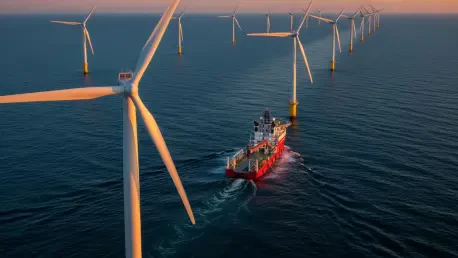
Vroon is shifting its focus toward energy, liquids, and offshore wind, which represents a significant change in corporate direction. What are the long-term benefits of divesting from specialized niches like livestock to focus on infrastructure and renewables, and what does this transition tell us about the current direction of the maritime industry?
This divestment is a clear signal that established players are betting heavily on the global energy transition and the burgeoning offshore wind sector. By offloading their livestock division, the sellers can reallocate capital and technical expertise toward their other brands, such as Iver Ships and their offshore service vessel operations. This move allows them to streamline their operations and double down on high-growth areas like liquid transport and renewable energy infrastructure. It reflects a broader industry trend where companies are specializing in high-tech, sustainable sectors to future-proof their portfolios against shifting global regulations.
Operating the world’s largest independent livestock fleet involves immense responsibility regarding food security. Could you walk us through the technical requirements for managing these modern vessels and the specific metrics used to evaluate the efficiency of a global livestock transport operation?
Managing a fleet of this scale demands a rigorous focus on technical maintenance and animal welfare standards that go far beyond standard dry-bulk shipping. Efficiency is measured not just by fuel consumption or turnaround times in port, but by the health and condition of the livestock upon arrival at their destination. These ships are essentially floating environments that must provide constant ventilation, fresh water, and feed to ensure the cargo remains in peak condition throughout the voyage. The success of this operation hinges on the specialized technical management services that monitor everything from deck temperature to waste management systems in real-time.
What is your forecast for the livestock shipping industry?
I believe we will see a period of intense specialization where carriers like Livestock Express become even more integrated into the global food supply chain. As population growth continues to drive demand for high-quality protein, the pressure to maintain modern, efficient, and welfare-focused fleets will only increase. We will likely see more agribusiness firms following this lead, seeking to own their logistics rather than relying on the open market to guarantee food security. While the fleet must adapt to new environmental regulations, the essential nature of this trade ensures that specialized livestock carriers will remain a cornerstone of global maritime commerce for decades to come.