
The friction of global trade once resided in the fallibility of human intuition, but modern supply chains rely on a seamless mesh of silicon and logic to move goods across continents without a single wasted second. This transition represents more than a simple software update; it is a fundamental re-engineering of how physical objects move through space and time. For decades, the industry struggled with the unpredictability of traffic, weather, and human error, treating these variables as unavoidable costs of doing business. However, the current landscape of AI logistics automation suggests that these hurdles are no longer insurmountable barriers but rather data points waiting to be optimized.
The shift toward intelligent systems has created a environment where reactive management is considered an obsolete strategy. Historically, dispatchers and fleet managers operated on historical averages and gut feelings, often leading to underutilized assets or missed delivery windows. Today, the integration of deep learning and neural networks allows for a proactive approach that perceives patterns invisible to the human eye. By analyzing billions of data points from previous years up to the present moment in 2026, these systems have moved the goalposts from “efficient” to “autonomous,” fundamentally altering the competitive landscape for carriers and retailers alike.
The Evolution of Intelligent Logistics Systems
The progression of logistics technology has moved through several distinct phases, culminating in the current state of hyper-automation. In the early stages of digitization, companies were satisfied with simple electronic logging and basic GPS tracking. These tools provided visibility but lacked the intelligence to act on the information they gathered. A manager might see that a truck was stuck in traffic, but the system could not suggest a viable alternative or predict the downstream effects on the rest of the day’s schedule. This gap between data acquisition and actionable insight was the primary catalyst for the development of AI-centric frameworks.
The fundamental shift occurred when machine learning models began to ingest real-time environmental data alongside internal operational metrics. This allowed systems to transition from static, rule-based logic to dynamic, probabilistic reasoning. Instead of following a rigid “if-then” script, modern logistics platforms evaluate the probability of various outcomes and select the path that maximizes efficiency across the entire network. This evolution has effectively moved the center of gravity from the local terminal to a decentralized, cloud-based brain that orchestrates thousands of moving parts simultaneously, ensuring that the supply chain remains resilient even when faced with significant external shocks.
Core Pillars of AI-Driven Automation
Autonomous Dispatching and Job Allocation
The traditional dispatch office was often a site of high stress and constant negotiation, where human operators attempted to balance driver availability with urgent customer demands. AI has fundamentally dismantled this model by introducing algorithmic job allocation. This process involves the simultaneous evaluation of dozens of variables, including a driver’s remaining hours of service, the vehicle’s specific cargo capacity, and the geographic density of upcoming orders. By removing the human intermediary for routine assignments, companies have seen a significant reduction in the cognitive load placed on staff, allowing them to focus on complex exceptions rather than mundane scheduling.
What makes this implementation unique is its ability to perform “multi-objective optimization.” A human dispatcher might prioritize the closest driver to a pickup point, but an AI considers the long-term impact of that choice. It might assign a slightly further driver to a task because doing so positions that vehicle perfectly for a high-value delivery three hours later. This strategic positioning ensures that the fleet operates as a cohesive unit rather than a collection of independent actors. Furthermore, automated load balancing prevents the “burnout cycle” where top-performing drivers are inadvertently penalized with the most difficult routes, thereby improving fleet-wide retention and morale.
Dynamic Route Optimization and Rerouting
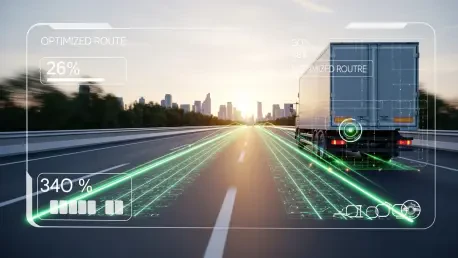
Routing has moved beyond the “shortest path” calculations of the past and into a realm of fluid, predictive navigation. Modern AI systems do not merely react to a road closure; they anticipate congestion based on micro-events, such as a local sports game ending or a sudden change in precipitation. This capability relies on a constant stream of telematics and external sensor data, allowing the system to recalculate stop sequences in milliseconds. For the driver, this means the route on their mobile device is a living document that adapts to the environment as they move through it.
The unique value proposition here lies in the “stochastic” nature of the planning. Traditional competitors often offer “optimized” routes that fall apart the moment an unexpected delay occurs. In contrast, AI-driven routing builds in a layer of probabilistic cushioning. It identifies routes that are not only fast but also “reliable,” favoring paths with lower variability in travel time. This ensures that delivery windows are met with statistical consistency, which is far more valuable to a global supply chain than occasional bursts of speed followed by unpredictable delays. By minimizing idling and unnecessary mileage, these systems also directly contribute to a lower carbon footprint and reduced fuel expenditure.
Predictive Visibility and Real-Time Tracking
The concept of visibility has evolved from knowing where a package is to knowing when it will arrive with near-absolute certainty. AI achieves this through “contextual tracking,” which combines GPS coordinates with historical transit data and real-time environmental factors. If a vehicle is delayed by fifteen minutes at a loading dock, the AI doesn’t just push a notification; it analyzes the impact on every subsequent stop for the rest of the day. It identifies which customers will be affected and can automatically trigger communication protocols to manage expectations before a complaint is even generated.
This level of insight transforms the logistics provider from a black box into a transparent partner. The implementation of “geofencing” and automated arrival detection eliminates the need for manual check-calls, which were historically a major source of friction and data inaccuracy. When a truck enters a pre-defined radius of a distribution center, the system can automatically alert the warehouse crew to prepare for unloading, perfectly synchronizing the physical arrival with the labor required to handle the cargo. This synchronization reduces “dwell time,” which has been one of the most persistent inefficiencies in the freight industry for decades.
Innovations in Resource Management and Planning
Strategic planning in the logistics sector has long been haunted by the “bullwhip effect,” where small fluctuations in consumer demand result in massive inefficiencies further up the supply chain. AI mitigates this by providing high-fidelity demand forecasting. By identifying subtle patterns in market volatility and seasonal trends, these models allow companies to station resources precisely where they will be needed. This is not just about having enough trucks; it is about having the right type of trucks in the right locations at the right time.
The automation of administrative workflows also plays a critical role in resource management. Modern systems can now handle the ingestion of bills of lading, customs documentation, and proof-of-delivery receipts using computer vision and natural language processing. By extracting data from these documents and automatically updating the central database, AI eliminates the data silos that often lead to billing disputes and inventory discrepancies. This ensures that the financial side of the logistics business moves as quickly as the physical side, creating a “single source of truth” that enhances trust between carriers, shippers, and end customers.
Real-World Applications and Sector Integration
The deployment of AI logistics automation varies significantly across different sectors, each with its own set of high-stakes requirements. In the “last-mile” delivery space, the focus is on density and time-window precision. E-commerce giants use these systems to manage thousands of small-parcel deliveries simultaneously, optimizing the sequence of stops to ensure that a driver never has to circle a block or make a redundant U-turn. In contrast, the heavy freight and long-haul trucking sectors prioritize safety and vehicle longevity. Here, AI monitors telematics to detect signs of driver fatigue or mechanical wear, recommending proactive maintenance before a breakdown occurs on a highway.
Medical and cold-chain logistics represent perhaps the most critical application of this technology. When transporting temperature-sensitive pharmaceuticals or fresh produce, the AI monitors environmental sensors inside the trailer in real time. If the temperature deviates from the required range, the system can automatically adjust the refrigeration unit or reroute the vehicle to a closer facility to prevent product loss. This level of granular control was impossible in a manual framework and highlights why AI has become a non-negotiable requirement for specialized logistics providers who handle high-value or life-saving cargo.
Implementation Challenges and Technical Hurdles
Despite the overwhelming benefits, the transition to fully automated logistics is not without its complications. The most significant hurdle is the “garbage in, garbage out” problem. AI models require massive amounts of high-quality, structured data to function effectively, yet many legacy logistics firms still operate with fragmented systems and “dirty” data. Cleaning this data and integrating disparate platforms via APIs is a costly and time-consuming process that can delay the return on investment. Furthermore, there is a cultural barrier to overcome, as seasoned dispatchers and drivers may be skeptical of “letting a computer take over” their decision-making process.
Regulatory and ethical concerns also persist, particularly regarding data privacy and the surveillance of workers. The continuous monitoring of driver behavior—while beneficial for safety and efficiency—raises questions about autonomy and workplace stress. Additionally, as the industry moves closer to the integration of autonomous vehicles, legal frameworks regarding liability in the event of an accident remain in a state of flux. Companies must navigate these complexities by focusing on “assistive AI” that empowers human workers rather than simply replacing them, ensuring that the technology acts as a co-pilot rather than a cold overseer.
Future Outlook and Technological Trajectory
The path forward for AI in logistics is defined by an increasing move toward “hyper-local” autonomy and industry-wide connectivity. As we look past 2026, the integration of 5G and satellite-based internet will allow AI systems to maintain high-speed connections even in the most remote regions, ensuring that no vehicle is ever “off the grid.” We are also seeing the rise of collaborative logistics, where AI platforms from different companies “talk” to one another to share empty space in trailers, further reducing the number of empty miles driven globally. This decentralized coordination could eventually lead to a “Physical Internet,” where goods move as seamlessly as data packets do across the web.
Sustainability will remain a primary driver of innovation. AI is being tasked with optimizing not just for time and cost, but for the lowest possible carbon output. This involves selecting the optimal mix of electric vehicles for short routes and hydrogen or alternative-fuel trucks for long hauls, all while managing the complex charging and refueling schedules required for these new fleets. The goal is a supply chain that is not only efficient but also regenerative, using predictive analytics to minimize waste at every stage of the journey from the factory floor to the customer’s doorstep.
Summary of Findings and Assessment
The review of AI logistics automation demonstrated that the technology moved beyond its initial hype and became the essential backbone of modern commerce. By replacing the fragile heuristics of human dispatching with the robust precision of machine learning, the industry achieved a level of resilience that was previously thought impossible. The analysis indicated that while the initial hurdles of data integration and cultural resistance were significant, the long-term gains in efficiency, safety, and customer satisfaction far outweighed the transition costs. This implementation succeeded because it did not try to replicate human logic; instead, it utilized the unique strengths of silicon—speed, scale, and pattern recognition—to solve problems that were too complex for the human mind to navigate alone.
The verdict on AI logistics automation remained clear: it functioned as a definitive competitive differentiator that transformed the supply chain from a cost center into a strategic asset. Organizations that embraced these systems found themselves better equipped to handle the volatility of the global market, while those that clung to manual processes struggled to maintain their margins. Moving forward, the industry must prioritize the standardization of data protocols and the ethical implementation of worker monitoring to ensure the technology remains sustainable. The focus shifted from mere optimization to the creation of a transparent, interconnected ecosystem that served the needs of a global population with unprecedented speed and reliability.