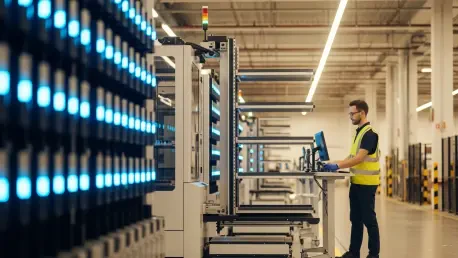

Global logistics networks are witnessing a fundamental shift as Latin American markets move away from traditional storage models toward a future defined by intelligent mobile robotic systems and integrated infrastructure. This evolution reflects a broader commitment to closing the efficiency gap between regional operations and international standards. By examining the current landscape, this analysis explores how strategic alliances and technological adoption are redefining productivity. The focus remains on how the integration of advanced robotics into existing frameworks provides a scalable path for businesses facing the pressures of a rapidly expanding e-commerce sector.
From Manual Labor to Mobile Automation: Contextualizing the Shift
For many years, the logistics sector in the region relied almost exclusively on manual labor and static storage configurations. While these methods provided a degree of stability during slower economic cycles, the sudden surge in consumer demand and the complexity of modern supply chains exposed significant structural weaknesses. High entry costs and a perceived lack of localized technical support previously discouraged many firms from pursuing high-tech alternatives.
However, the current market environment favors flexibility over rigidity. The transition from fixed conveyor belts to autonomous mobile robots marks a critical turning point. This shift is significant because it allows companies to bypass the limitations of permanent infrastructure. Understanding this historical reliance on manual processes is vital for appreciating why current technological interventions are viewed as necessary components for survival in an increasingly competitive global market.
Bridging the Gap Between Hardware and Intelligence
Strategic Synergies: Integrating Physical Racking with Mobile Robotics
A pivotal development in regional automation is the seamless combination of sophisticated software with robust physical storage. The collaboration between technology leaders and infrastructure experts has led to the adoption of “Shelf-to-Person” systems, such as the P800 and PopPick. These solutions allow warehouses to move entire inventory racks directly to operators, eliminating the need for workers to traverse miles of aisles daily. This integration significantly boosts throughput and accuracy while maximizing the vertical density of storage space.
Scaling Solutions: Addressing the Flexibility of the Latin American Market
The regional market demands modularity to account for fluctuating economic conditions. Modern “Tote-to-Person” technologies, including the RoboShuttle Plus, offer a modular approach that allows for incremental investment. Firms can now deploy small robotic fleets and expand them as demand grows, providing a safety net against market volatility. This comparative advantage over traditional automation ensures that businesses can remain agile, adjusting their operational capacity without the need for massive, upfront capital expenditures.
Regional Nuances: Overcoming Infrastructure and Localized Challenges
Success in this region depends heavily on addressing localized operational complexities. A common misconception suggested that sophisticated robotics were too complex to maintain in local environments. However, the rise of localized support models has successfully debunked this myth. By providing end-to-end service—from initial facility design to ongoing performance optimization—providers ensure that high-tech systems are tailored to meet specific regional labor regulations and unique building footprints.
The Road Ahead: Future Trends in Regional Automation
The integration of artificial intelligence and machine learning is set to redefine warehouse efficiency in the coming years. Predictive analytics will likely become a standard tool for optimizing inventory placement before orders are even processed. Furthermore, as the region becomes a primary hub for nearshoring, the demand for international-standard automation will intensify. Economic shifts suggest a future where green, energy-efficient robotic technologies are prioritized to align with global sustainability mandates and regulatory changes.
Strategic Recommendations for Navigating the Automation Landscape
Navigating this landscape requires a holistic approach to facility design. Automation proved most effective when treated as a core strategic pillar rather than a supplementary tool. Professionals should prioritize partners capable of providing synchronized robotic and storage environments. Best practices involved starting with a clear assessment of throughput requirements and focusing on “to-person” technologies that offered the fastest return on investment. Prioritizing long-term performance over short-term savings ensured a more resilient supply chain.
Conclusion: A New Era for Latin American Supply Chains
The transformation of warehouse operations across the region reflected a successful fusion of global innovation and local expertise. Strategic partnerships facilitated a transition that empowered businesses to overcome traditional bottlenecks and compete on a global scale. This evolution demonstrated that the adoption of robotics was a fundamental reimagining of logistical movement. Stakeholders recognized that the move toward smart logistics provided the agility needed for a robust future. Decision-makers increasingly prioritized integrated solutions to ensure long-term stability and growth.