
Modern commerce functions like a massive, high-stakes puzzle where a single missing piece can stall the entire engine of global trade indefinitely. As companies navigate increasingly volatile economic shifts, the emergence of advanced Supply Chain Visibility (SCV) platforms marks a definitive break from the era of manual tracking. These digital systems are no longer just optional tools but have become the central nervous system of logistics, aggregating complex data to ensure that every movement of goods is accounted for in real time.
Evolution of Digital Logistics and Data Centralization
The historical reliance on siloed systems and manual spreadsheets created massive blind spots that left businesses vulnerable to sudden market disruptions. Modern platforms, such as Penske’s Supply Chain Insight, have redefined this landscape by moving toward unified digital dashboards that synchronize disparate data points into a single, coherent narrative. This transition represents a shift from reactive problem-solving to proactive management, where transparency serves as a shield against regulatory changes and economic instability.
Unlike legacy systems that required hours of human intervention to piece together a status update, these new platforms provide an immediate, high-definition view of the entire network. This level of centralization is critical for maintaining resilience in a world where geopolitical shifts and resource scarcity can alter shipping routes overnight. By fostering a culture of data-driven transparency, companies can finally move away from the “black hole” of traditional freight forwarding.
Core Functional Components of Visibility Platforms
Integrated Data Aggregation and Network Transparency
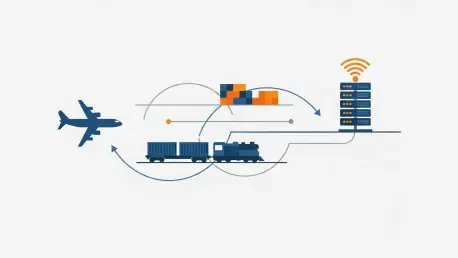
The primary strength of a modern SCV platform lies in its ability to bridge the gap between transportation, warehousing, and external partners. By addressing data fragmentation, these systems create a holistic view that includes not just internal assets, but also the movements of third-party vendors. This comprehensive visibility allows managers to monitor inventory levels and order statuses with precision, ensuring that “just-in-time” delivery remains a reality rather than a logistical aspiration.
AI-Powered Analytics and Natural Language Interaction
Integrating artificial intelligence assistants has transformed how professionals interact with their data, replacing cumbersome queries with natural language interactions. Instead of drilling through layers of menus, a user can simply ask about specific shipment delays or performance trends. This capability reduces the time required to extract actionable insights, allowing for rapid response to exceptions before they snowball into systemic failures across the value chain.
Customizable Performance Benchmarking and Metrics
Flexibility is a defining trait of these platforms, offering dozens of pre-built and customizable metrics to suit diverse business goals. By setting specific performance thresholds, organizations can automate the identification of bottlenecks and receive alerts when KPIs deviate from established norms. This tailored approach ensures that the technology adapts to the specific operational DNA of the company, rather than forcing the company to adapt to the software.
Emerging Trends in Supply Chain Digitization
The current movement in the industry favors “plug-and-play” integration, where proprietary logistics software seamlessly communicates with external warehouse management systems. This trend eliminates the friction traditionally associated with onboarding new partners, creating a truly interconnected ecosystem. Furthermore, predictive analytics is shifting the focus from simply seeing what is happening to predicting what will occur, allowing firms to adjust their strategies well in advance of a predicted shortage.
Strategic Applications Across the Global Value Chain
Real-world applications of these platforms vary from retail giants managing seasonal surges to manufacturers tracking raw material components across continents. The unique value proposition here is the ability to identify recurring bottleneck patterns that might go unnoticed in a fragmented environment. By centralizing third-party carrier performance data, businesses can make informed decisions about which partners are delivering the most value and which are introducing risk into the system.
Critical Challenges and Implementation Barriers
Despite the technical prowess of modern SCV platforms, integrating them with aging legacy systems remains a significant hurdle for many organizations. Data privacy concerns also complicate the sharing of sensitive information across international borders, especially when dealing with multiple external stakeholders. Ongoing development is currently focused on simplifying user training and reducing the initial complexity of deployment to ensure that these tools are accessible to more than just the largest corporations.
The Future Trajectory of Autonomous Logistics Intelligence
The industry is moving toward a state of prescriptive and autonomous supply chain management, where systems do more than just report data—they solve problems. Future developments will likely feature deep AI integration that allows for self-correcting logistics networks, where routes are rerouted and orders are adjusted automatically in response to environmental or economic triggers. This evolution will fundamentally alter global economic resilience, making supply chains more fluid and less prone to human error.
Summary of Findings and Platform Assessment
The assessment of Supply Chain Visibility platforms revealed a significant reduction in data fragmentation, providing a necessary foundation for modern logistics. These systems successfully bridged the gap between manual oversight and digital automation, proving that real-time transparency is the most effective tool for managing complex global networks. While technical integration challenges persisted, the operational benefits far outweighed the initial hurdles. These platforms established themselves as the essential infrastructure for any business aiming to maintain a competitive edge in an interconnected market. Future efforts should focus on lowering the barrier to entry for smaller enterprises to ensure broad-based supply chain stability.