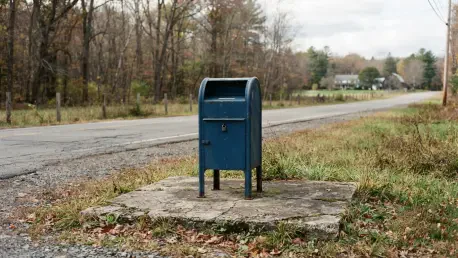

The 5.9 percent weighted average increase for Priority Mail and Ground Advantage will fluctuate for individual customers based on the specific weight and destination of their packages. This adjustment represents a critical juncture for the United States Postal Service as it attempts to reconcile its financial obligations with its historical mission to provide universal service to every corner of the nation. In rural regions like Upstate New York, these changes are not merely abstract figures on a balance sheet; they represent tangible shifts in the cost of living and doing business. Residents who rely on the postal network for everything from prescription medications to tax documents now face a landscape where the reliability of the mail is being tested by aggressive fiscal restructuring. As the agency moves forward with its modernization efforts, the unique geographic challenges of the North Country and the Finger Lakes region highlight a growing tension. The dual pressure of rising costs and reduced service frequency creates a complex environment where traditional logistics models are being dismantled in favor of a more streamlined, yet potentially less accessible, national network infrastructure.
Understanding the 2027 Shipping Rate Proposal
Starting on January 17, 2027, the domestic shipping proposal is set to take effect, pending the final review process by the Postal Regulatory Commission. A primary feature of this update is the replacement of the existing 8 percent transportation-related price adjustment with a more substantial 11 percent fuel surcharge. While the postal agency clarifies that this is not an additive cost, it nonetheless raises the baseline expense for moving goods across vast distances. This move is designed to offer greater transparency, with the USPS committing to a reevaluation of the surcharge in July 2027 based on the energy market trends observed during the first half of the year. Interestingly, the proposal keeps the price of standard postage stamps and competitive Post Office Box rates stable, providing a small measure of consistency for those who do not frequently use heavy shipping services. However, for those engaged in e-commerce or significant distance shipping, the cumulative effect of these percentage increases will likely necessitate a budget overhaul.
The financial burden of these increases is expected to fall most heavily on routes that require extensive middle-mile and last-mile transportation. Because rural New York communities often sit at the periphery of major distribution hubs, the cost of fuel and vehicle maintenance for local delivery becomes a significant factor in rate calculations. Shippers using Priority Mail Express and USPS Ground Advantage will find that the weighted average of 5.9 percent can mask much steeper price jumps for certain weight brackets and long-distance zones. This reality puts Upstate New York residents at a competitive disadvantage compared to urban counterparts who benefit from denser delivery networks and proximity to regional sorting centers. As the agency prioritizes a self-sustaining financial model, the inherent costs of servicing low-density populations are increasingly being passed directly to the consumer. This strategy reflects a broader trend within the logistics industry where geographic isolation is becoming a quantifiable expense, fundamentally altering the economic expectations for those living outside of major metropolitan corridors.
Analyzing Service Delays and the Rural Squeeze
Beyond the rising monetary costs, operational changes are creating a timing dilemma that threatens the promptness of rural communications. Recent findings from the Government Accountability Office have highlighted how cost-saving initiatives are inadvertently degrading service performance in remote areas. One of the most impactful adjustments is the elimination of afternoon and end-of-day mail collections for post offices located more than 50 miles away from a regional processing hub. In much of Upstate New York, where vast distances separate small towns from larger cities, this 50-mile threshold is a common reality for many local branches. When a post office loses its late-day collection, any item dropped off after the single morning pickup is left to languish on a shelf until the following business day. This systematic change essentially removes the possibility of same-day processing for outgoing mail, creating a ripple effect that slows down the entire delivery chain for businesses and residents alike who are operating in these underserved zones.
For the small business owners dotting the landscape of the Adirondacks or the Southern Tier, this rural squeeze translates into lost revenue and diminished customer satisfaction. The postal network has long served as shared business infrastructure, providing a level playing field for entrepreneurs who do not have the volume to negotiate specialized contracts with private carriers. When outgoing shipments are delayed by a full 24 hours simply because of their origin point, rural businesses find it harder to compete with the fulfillment speeds offered by larger corporations. This delay is particularly detrimental for sectors that deal in perishable goods, time-sensitive legal documents, or critical repair parts. The Brookings Institution has noted that postal access is a primary driver of unincorporated business activity, and any degradation in that service creates an immediate economic hurdle. As the USPS focuses on internal efficiency, the externalized costs are being borne by local retailers and service providers who must now navigate a system that rewards proximity to urban hubs while penalizing those who maintain the rural economy.
Adapting to a Shifting Postal Landscape
Navigating this evolving landscape requires residents and business owners to adopt a more proactive approach to their shipping logistics. It has become necessary for regular shippers to consult the USPS Postal Explorer on a frequent basis to stay ahead of granular rate changes that could impact their bottom line. Monitoring local collection schedules is no longer an optional task; it has become a vital part of operations to ensure that packages reach the morning truck and avoid the 24-hour delay. Many local communities have begun to coordinate their mailing efforts, finding ways to consolidate shipments or utilize community-based logistics to mitigate the rising costs. Some businesses have even explored hybrid models, using the postal service for certain zones while leaning on local couriers for others to maintain delivery speed. This period of adaptation highlights the resilience of New York’s rural economy, as residents seek out new ways to maintain connectivity in a system that is increasingly prioritizing fiscal solvency over historical service standards.
The broader transformation of the postal service serves as a testing ground for the future of universal accessibility in the digital age. While the agency successfully reduced its work hours and addressed some of its controllable losses, the reliance on price hikes and service reductions remains a point of intense discussion. The economic health of Upstate New York is closely tied to these decisions, demonstrating that infrastructure changes have consequences that reach far beyond the post office walls. Moving forward, the focus has shifted toward finding sustainable ways to support rural commerce without placing an undue burden on isolated populations. Policymakers and local leaders are looking for alternative funding models or technological improvements that could bridge the gap created by the 50-mile processing rule. The lessons learned during this fiscal transition emphasize the need for a balance between modern business efficiency and the essential nature of public service. As the USPS continues its journey, the experience of rural New York offers valuable insights into how essential services can be preserved for the next generation of American citizens.