
Rohit Laila is a veteran of the logistics world, possessing decades of experience across complex supply chains and global delivery networks. His deep-seated passion for technological innovation has made him a leading voice on how digital tools can solve the industry’s most persistent manual bottlenecks. In this discussion, he sheds light on how major carriers are deploying artificial intelligence to revolutionize the air freight booking process. We explore the transition from labor-intensive administrative tasks to automated, data-driven systems that prioritize speed and accuracy for modern customers.
The conversation focuses on the implementation of intelligent data extraction from unstructured sources, the reduction of turnaround times through automated quoting systems, and the strategic shift toward a more personalized, predictive customer journey.
How does the new auto-fill capability specifically transform the way logistics coordinators handle unstructured shipment data from their daily emails?
The auto-fill feature integrated into the myCargo portal is a significant leap forward because it uses an AI engine to parse through the often messy, unstructured text found in standard business emails. Instead of a person painstakingly typing in every detail, the system identifies and extracts critical variables like the weight, dimensions, and the total number of pieces. This allows the required booking fields to be populated instantly, which drastically reduces the administrative effort and the potential for human error. You can feel the productivity increase as coordinators move away from repetitive manual entry to a more streamlined, click-and-paste workflow that ensures higher data integrity.
What impact does the introduction of automated quoting have on a customer’s ability to capitalize on fast-moving market opportunities?
The rollout of the AI-powered auto quote capability is designed to generate highly accurate spot quotations almost immediately after a request is received through the portal or via email. By significantly reducing response times, customers are no longer left waiting for a manual price check, allowing them to react much faster to volatile market conditions and urgent shipping needs. This agility is crucial in air cargo, where flight space is a premium and service levels are often measured by how quickly a provider can confirm a deal. It effectively transforms the digital experience into a dynamic tool that supports rapid commercial decision-making and improved service levels.
Beyond simple automation, how do you see these AI tools reshaping the long-term relationship between the cargo provider and the freight forwarder?
The real transformation lies in how AI simplifies complex processes to create a more seamless and personalized customer experience. As these tools evolve, we expect the system to move beyond just filling forms to providing intelligent decision support and predictive services throughout the entire journey. By combining this advanced technology with the expertise of our people, we are building a next-generation platform that adds genuine value to both the business and the customer. It allows the industry to move from a reactive service model to one that offers proactive recommendations and highly tailored support based on real-time data insights.
What is your forecast for the future of artificial intelligence within the global air cargo industry?
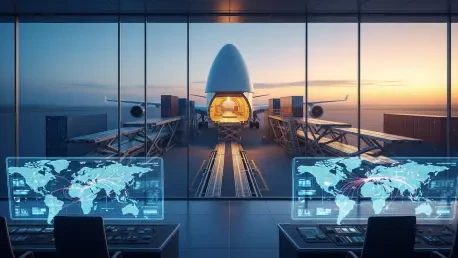
I believe we are currently at the beginning of a massive commercial transformation where AI becomes the key accelerator for the entire sector. My forecast is that we will soon see AI playing an integral role across the complete customer journey, offering everything from personalized route suggestions to intelligent decision support that anticipates market shifts. We will continue to see additional AI-driven solutions introduced that focus on innovation and customer centricity to maintain a high standard of commercial excellence. Ultimately, the goal is to create a digital environment where technology works invisibly to support human experts, creating a more resilient and efficient global supply chain.