
Micro hubs are only commercially viable when downstream savings in driver time and fuel mileage exceed the high rental costs and labor requirements of city-center facilities. This fundamental economic reality is currently reshaping the landscape of urban delivery as logistics operators pivot from

Kalitta Air maintains a competitive edge through its immense flexibility in transporting diverse payloads ranging from live animals to hazardous industrial materials. This specific capability highlights a broader trend within the 2026 United States air freight industry, where specialized expertise
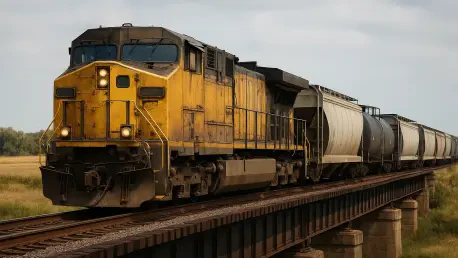
Norfolk Southern and CSX manage a complex intake of paper products and chemicals, illustrating the high degree of inter-line cooperation. In the current landscape of late 2026, the North American freight rail industry is increasingly defined by its ability to synchronize these diverse cargo types
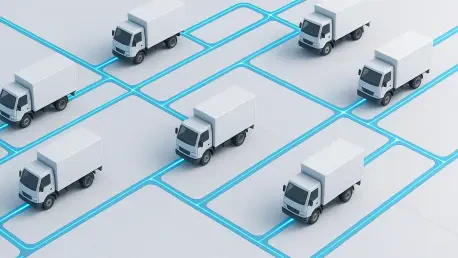
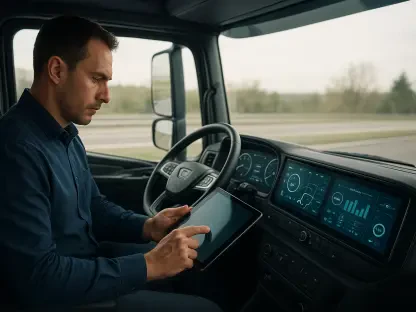
Introduction to Vehicle Routing and Scheduling Technology Navigating the chaotic labyrinth of global logistics requires more than just a map; it demands a sophisticated digital architect capable of recalculating thousands of variables in milliseconds. Vehicle Routing and Scheduling (VRS) has

Legacy barcode systems proved insufficient for automotive logistics because they offered no visibility regarding an asset's journey, destination arrival, or return status once dispatched. Neovia Logistics, a prominent third-party logistics provider, encountered a severe financial drain while

Advancements in 5G and 6G connectivity, alongside low-Earth-orbit satellite constellations, now provide the digital nervous system required for modern fleet management. The global maritime shipping industry is currently undergoing a massive transformation, moving away from traditional