Traditional logistics facilities often struggle with the rigid constraints of hard-coded automation that fails the moment a single variable in the supply chain shifts unexpectedly. Modern distribution centers are now moving toward a more fluid intelligence where software does not just follow

Supply chain professionals are currently facing a landscape where the relative stability of the past has been replaced by a sequence of rapid, localized disruptions that defy traditional forecasting models. As the industry moves through 2025, the market is no longer defined by broad, predictable
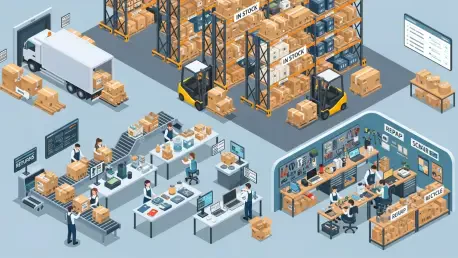
The fundamental metric of success in a modern distribution center has evolved from the sheer speed of outbound shipments to a more nuanced state of operational confidence. This confidence is defined by the absolute certainty that the digital records within a warehouse management system exactly
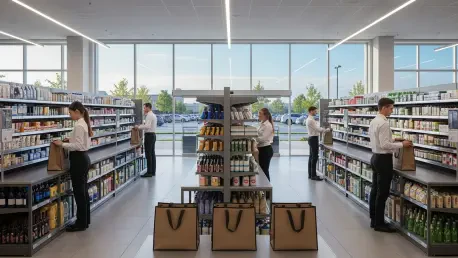
The traditional retail map is being redrawn by a consumer base that now views forty-eight-hour shipping as a relic of the past rather than a modern convenience. As speed becomes the primary metric of success, the industry has transitioned away from distant fulfillment centers toward localized,
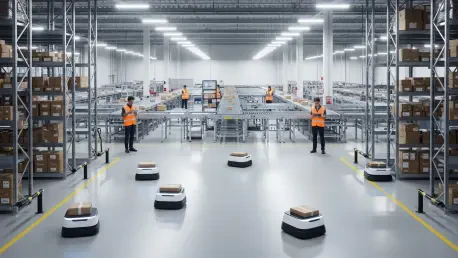
Modern commerce moves at a pace that often leaves traditional, centralized logistics networks struggling to breathe under the weight of surging consumer demands and unpredictable global disruptions. For decades, companies relied on massive, singular hubs to manage their entire inventory, but the

The familiar sight of a neighborhood pharmacy is becoming less common for many Americans, creating a critical gap in healthcare access that tech-driven logistics giants are now rushing to fill. As traditional brick-and-mortar pharmacies contend with staffing shortages and closures, a new model for