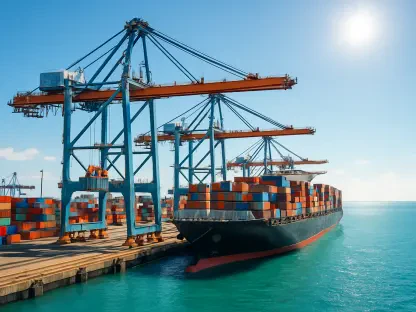

The European Bank for Reconstruction and Development has pledged a €45 million financing package to modernize the Port of Aktau and reduce average container-handling times. This strategic financial infusion arrives at a pivotal moment for the Middle Corridor, formally recognized as the

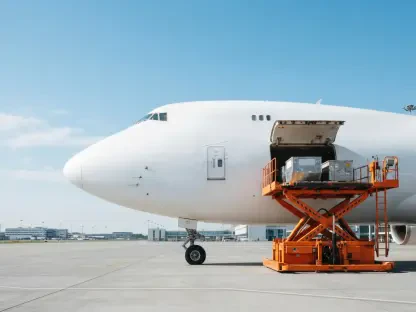
The flagship carrier Cathay Pacific reported carrying 2,453,635 passengers during September 2026, outpacing its own capacity growth and reaching a passenger load factor of 84.2 percent. This performance occurs during a period of transition for the aviation industry, as carriers globally attempt to

The rhythmic pulse of the North American economy currently vibrates through the engine blocks of thousands of commercial trucks crossing the Rio Grande, yet this vital flow faces a pivotal transformation as federal agencies tighten the reins on regulatory compliance. This intensification of
The historical reliance on traditional shipping routes has transformed into a complex web of interconnected supply chains where a single delay can trigger a cascading failure across entire national economies. In the Central America, Panama, Mexico, Dominican Republic, and Haiti (CAPDR) region, this

Rohit Laila is a seasoned veteran in the logistics and supply chain sector, bringing decades of operational wisdom to the table. His career has tracked the industry’s evolution from traditional haulage to the high-tech, data-driven ecosystems that define modern global trade. As a key voice in the
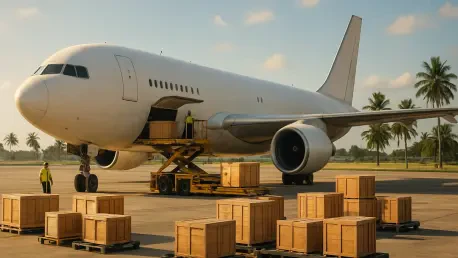
The Evolution of Air Cargo Logistics in Central Africa The air freight market in Cameroon serves as a strategic regional hub, linking landlocked neighbors with global markets. Douala and Yaoundé provide the primary gateways for international trade, particularly for the export of high-value
1 2 3 4 5 6 7 8 9 10 11 12 13 14 15 16 17 18 19 20 21 22 23 24 25 26 27 28 29 30 31 32 33 34 35 36 37 38 39 40 41 42 43 44 45