
The rapid reorganization of global manufacturing has fundamentally repositioned Mexico from a mere assembly hub into a sophisticated nerve center for high-value integrated logistics that demand precision, speed, and absolute visibility. This shift marks the definitive end of the traditional freight forwarding era, where fragmented services and transactional relationships were the norm. In the current landscape of 2026, the industry has pivoted toward a comprehensive model that emphasizes end-to-end control, replacing third-party reliance with solid asset ownership. This evolution is not merely a logistical upgrade but a strategic imperative for businesses navigating the complexities of a dense North American supply chain. As companies reorganize their global footprints, the ability to manage a seamless flow of goods from the factory floor to the final consumer has become the primary differentiator for market leaders.
By merging international forwarding expertise with extensive domestic ground networks, major providers have established a “one-stop-shop” environment that eliminates the friction common in cross-border trade. The integration of logistics systems allows for unprecedented transparency, where data flows as freely as the physical cargo. This transformation is deeply rooted in the massive wave of nearshoring that continues to drive industrial expansion across the country. As manufacturing corridors become more specialized, the demand for sophisticated, door-to-door solutions has outpaced the capabilities of standard brokerage models. The current priority is to minimize the uncertainty associated with unpredictable third-party capacity by internalizing the entire logistics chain through physical infrastructure and controlled transportation assets.
The move toward integrated logistics also reflects a broader economic maturity within Mexico’s industrial sectors. Logistics providers are no longer just movers of boxes; they are strategic architects of resilience who design supply chains capable of withstanding regional and global volatility. This maturation has been accelerated by the realization that reliability and capacity management are far more critical than baseline cost in a high-stakes manufacturing environment. Consequently, the industry has seen a significant shift in investment toward cross-docking facilities and specialized equipment that support the unique requirements of the North American corridor. This structural foundation ensures that the influx of manufacturing activity is met with a logistical framework that is as agile as it is robust.
Mapping the Transformation of Mexico’s Modern Supply Chain Landscape
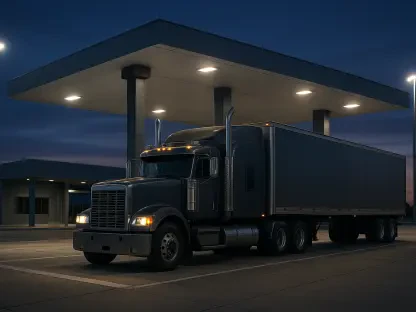
The transition from a transactional freight model to an integrated ecosystem has redefined the operational standards for moving goods across the northern and southern borders. In this new era, the focus has shifted toward providing a unified service that covers everything from customs clearance to final-mile delivery within a single organizational umbrella. By owning the physical assets—such as trucks, trailers, and warehousing space—logistics firms are able to offer a level of consistency that was previously unattainable through traditional brokerage. This change is particularly evident in the way firms now approach the “one-stop-shop” concept, ensuring that visibility is maintained through every stage of the transit process without the hand-off delays typical of fragmented providers.
This systemic evolution is largely a response to the geographic and industrial reorganization triggered by the nearshoring movement. Global manufacturers are no longer looking for the cheapest route but the most reliable one, leading to a surge in demand for integrated providers who can handle the nuances of the Mexican market. The integration of global forwarding networks with domestic Mexican expertise has created a powerful synergy that allows for the rapid scaling of operations in high-growth corridors. As the reliance on third-party intermediaries fades, the industry is seeing a more streamlined approach to logistics that prioritizes the health of the entire supply chain over individual shipment costs.
Regional clusters across Mexico are currently leading this industrial surge, each requiring a tailored logistical approach that an integrated model is uniquely equipped to provide. The Northern Frontier remains a powerhouse for high-volume trade, while the aerospace clusters in the Bajio and the high-tech centers of Guadalajara demand highly specialized handling and precision timing. By establishing a localized presence in these strategic hubs, logistics providers can offer responsive solutions that are fine-tuned to the specific needs of each sector. This regional depth, combined with the power of an integrated network, has created a competitive landscape where the ability to navigate local complexities is a key asset for global success.
Analyzing Market Dynamics and the Trajectory of Logistics Growth
Forging the Future Through Nearshoring and Specialized High-Value Verticals
The current trajectory of the logistics market is being shaped by a move toward high-requirement sectors where the cost of a delay far outweighs the price of the service. In 2026, the focus has intensified on specialized verticals such as semiconductor manufacturing, electric vehicle production, and pharmaceutical cold chains. These industries require more than just transportation; they demand a high degree of technical expertise and specialized infrastructure to ensure product integrity. This shift toward “complex” logistics has pushed providers to innovate in areas like climate control, secure transit, and specialized rigging, moving away from the commoditized freight that once dominated the market.
Artificial Intelligence has transitioned from an experimental tool into a foundational operational necessity across the logistics landscape. The ability to process vast amounts of supply chain data in minutes has allowed firms to automate routine tasks and optimize their routing with surgical precision. This technological integration is meeting the demands of a new generation of consumers and manufacturers who prioritize real-time transparency and speed above all else. By utilizing AI for predictive analytics and capacity forecasting, integrated providers can anticipate disruptions before they occur, maintaining a stable flow of goods even in a volatile global market.
Moreover, the human element in logistics is being augmented rather than replaced by this technological surge. While AI handles the heavy lifting of data processing, logistics professionals are increasingly focused on consultative roles, helping clients redesign their supply chains for maximum efficiency. This blend of high-tech tools and human expertise is particularly vital in the Mexican market, where navigating regulatory hurdles and local infrastructure gaps requires a deep level of specialized knowledge. The result is a more sophisticated service model that offers both the speed of automation and the strategic insight of experienced industry experts.
Projecting Industrial Expansion and Regional Economic Performance
Forward-looking projections for the remainder of the decade indicate that Mexico’s industrial hubs will experience sustained growth, particularly in regions like Monterrey and Puebla. Market data suggests that the expansion of “Made in Mexico” exports will continue to drive demand for both road and air cargo solutions. While ocean freight gateways continue to manage capacity hurdles, air cargo has emerged as an essential and stable mode for high-value goods that require rapid transit to northern markets. This stability is expected to persist through 2027 and 2028, as the integration of North American manufacturing reaches new levels of maturity.
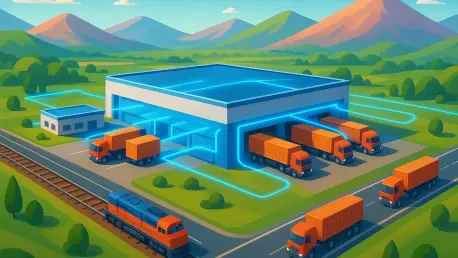
Investment in physical infrastructure is also accelerating to keep pace with the projected influx of manufacturing activity. New cross-docking facilities and distribution centers are being developed in gateway cities like Laredo and El Paso to handle the increased volume of cross-border traffic. These facilities are designed to optimize the transfer of goods between different modes of transport, reducing the time shipments spend in transit and improving the overall efficiency of the North American network. This physical expansion is a clear indicator of the long-term confidence that global investors have in Mexico’s role as a primary manufacturing powerhouse.
The economic performance of these regional clusters is increasingly tied to their logistical connectivity. As regions like the Bajio and Guadalajara continue to attract high-tech and aerospace investments, the local logistics infrastructure must evolve to support these sophisticated industries. The success of these regional economies depends on their ability to integrate into the broader North American supply chain, making the role of the integrated logistics provider more critical than ever. The focus for the next several years will be on ensuring that these industrial hubs are supported by a world-class logistical framework that can handle both the volume and the complexity of modern trade.
Navigating the Complexities of Cross-Border Operations and Infrastructure Gaps
Operating in the current Mexican market requires a proactive approach to overcoming significant structural hurdles that can impede the flow of goods. One of the most pressing challenges is the capacity constraint at major maritime gateways, such as the Port of Manzanillo, which remains a critical but often congested entry point for international cargo. To mitigate these bottlenecks, sophisticated providers are increasingly turning to alternative transportation strategies and inland ports to bypass congestion. This flexibility is a hallmark of the integrated model, where multiple modes of transport are coordinated to ensure that shipments remain on schedule despite localized delays.
Security risks also remain a top priority for companies moving high-value shipments through complex safety environments. The industry has responded by implementing rigorous cargo protection technologies and specialized security protocols that track shipments in real-time. This focus on security is not just about protecting the physical goods; it is about maintaining the integrity and reliability of the entire supply chain. By internalizing security operations and utilizing advanced tracking systems, logistics providers can offer their clients peace of mind and ensure that high-value cargo reaches its destination without interference.
Furthermore, the volatility of fuel prices and the rising costs of equipment continue to put pressure on supply chain margins. Overcoming these economic obstacles requires a move toward asset-based models that allow for greater control over operational costs. By owning and maintaining their own fleets, integrated providers can optimize load factors and reduce their reliance on the fluctuating rates of the spot market. This level of control is essential for providing consistent service levels and maintaining cost stability for clients who are navigating an increasingly expensive global trade environment.
The Regulatory Framework and Security Protocols Shaping North American Trade
Deep knowledge of the regulatory environment is no longer optional for companies operating within the North American corridor. Compliance with the IMMEX program and evolving customs standards is a fundamental requirement for any business seeking to capitalize on the benefits of manufacturing in Mexico. The complexity of “Made in Mexico” labeling and the tax implications of cross-border trade require a sophisticated understanding of both Mexican and U.S. law. Logistics providers who can act as consultative partners in these areas provide a significant competitive advantage, helping their clients navigate the legal hurdles of international trade with ease.
As geopolitical tensions continue to shift trade away from traditional routes, Mexico’s regulatory environment has become a sanctuary for companies seeking stability and predictability. The country’s trade agreements and established customs protocols provide a reliable framework for long-term investment. However, this stability is dependent on the ability of logistics firms to maintain strict compliance with all safety and security standards. The implementation of standardized customs procedures and automated documentation systems has helped to streamline the movement of goods, reducing the risk of audits and delays at the border.
The integration of advanced security protocols is also a key factor in the success of the North American trade corridor. From GPS tracking to secure warehouses, the industry has invested heavily in technology that protects shipments from theft and tampering. These protocols are often required by international trade standards and are a vital part of maintaining the trust of global manufacturers. By combining regulatory expertise with state-of-the-art security, integrated logistics providers have created a safe and efficient environment for the movement of high-value goods across borders.
Anticipating the Next Frontier: Strategic Priorities for 2026 and Beyond
The future of logistics in Mexico is being built on the synthesis of human expertise and advanced technological innovation. As the industry moves through 2026, the focus has shifted toward deeper integration of AI-powered forecasting and the acquisition of specialized talent to manage increasingly complex supply chains. The adoption of these technologies is not just about efficiency; it is about creating a more resilient and adaptable logistics network that can respond to the demands of a fast-changing global economy. Market disruptors, such as the full-scale adoption of automated logistics centers, are already beginning to redefine the standards of productivity.
A major priority for the coming years is the expansion of the North American rail and road network to support the growing volume of trade. This infrastructure development is essential for maintaining the speed and reliability of the supply chain, especially as more companies move their manufacturing operations to Mexico. Strategic investments in rail connectivity and highway improvements will play a critical role in ensuring that the logistics network can keep pace with industrial growth. The focus is on creating a truly seamless transportation system that links the manufacturing floors of Mexico with the distribution centers of the United States and Canada.
Additionally, the acquisition and development of specialized talent have become essential for managing the complexities of modern logistics. As the industry becomes more high-tech, the demand for professionals with expertise in data science, supply chain design, and regulatory compliance is skyrocketing. Companies are prioritizing the training and recruitment of individuals who can bridge the gap between traditional logistics and the new digital frontier. This human capital is the engine that will drive the next phase of innovation, ensuring that Mexico remains at the forefront of the global manufacturing and logistics landscape.
Synthesizing the Strategic Advantage of an Integrated Logistic Ecosystem
The transition toward integrated logistics ecosystems proved to be the primary architect of the North American manufacturing renaissance. Stakeholders who prioritized investments in physical infrastructure and high-value industry verticals, such as aerospace and high-tech electronics, ultimately solidified their competitive advantage in a crowded market. These organizations moved beyond the limitations of fragmented shipping models, opting instead for asset-based solutions that provided the resilience needed to withstand the volatility of mid-decade global trade. By internalizing the supply chain, firms successfully minimized the risks associated with third-party delays and achieved a level of operational consistency that became the benchmark for the entire region.
Furthermore, the adoption of advanced AI-driven tools and rigorous security protocols facilitated a more transparent and secure environment for cross-border operations. Manufacturers found that the ability to track shipments in real-time and navigate complex customs regulations with the help of integrated partners was essential for maintaining their own production schedules. The focus on specialized sectors like electric vehicle components and semiconductor logistics ensured that the infrastructure was ready to meet the demands of the world’s most advanced industries. This strategic foresight allowed the Mexican logistics sector to move from a supporting role to a leading position in the global economy, proving that the true competitive edge belonged to those who could offer a seamless, secure, and technologically advanced bridge to the consumer.