
The end of long layovers for travelers visiting Vietnam could become a reality as the Canadian government finalizes its landmark aviation partnership. This development marks a pivotal shift in transpacific connectivity, moving away from the traditional reliance on secondary hubs like Tokyo or Seoul to facilitate travel between North America and Southeast Asia. With the foundational agreements now firmly in place, the momentum behind establishing a non-stop link has only intensified, fueled by surging passenger demand and a desire for more efficient logistics. Establishing this air bridge is not merely a convenience for tourists; it represents a strategic realignment of how Canada interacts with emerging Asian markets. As the industry prepares for the projected 2027 launch, the focus has shifted toward finalizing the regulatory details and technical requirements necessary to sustain a route of this magnitude. This initiative reflects a broader trend of shortening the distance between vital economic centers, ensuring that both nations remain competitive in an increasingly globalized world.
Strategic Drivers of Transpacific Expansion
Economic Synergy and Trade Dynamics
The economic landscape of 2026 highlights why Vietnam has become Canada’s most significant partner within the Association of Southeast Asian Nations. Bilateral trade volumes have climbed steadily, and the current trajectory indicates even more substantial growth from 2026 to 2028 as diverse industries from agriculture to high-tech manufacturing seek reliable supply chains. Direct aviation access serves as the physical backbone for these trade relations, allowing for the rapid movement of high-value goods and the face-to-face interaction required for complex corporate negotiations. By removing the friction of layovers, the proposed Vancouver to Ho Chi Minh City route will likely accelerate investment flows that have reached new heights this year. Trade diversification is a core pillar of Canada’s Indo-Pacific Strategy, and this flight path is the tangible realization of those geopolitical goals. For businesses operating in Vancouver or Toronto, the reduced transit time translates directly into lower operational costs and greater agility.
Regulatory Frameworks and Diplomatic Support
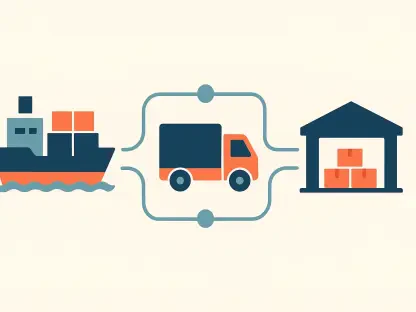
Building on this economic momentum, the formal Air Transport Agreement provides a flexible framework designed to scale alongside market growth. Current provisions allow for up to 14 weekly passenger flights and an additional seven dedicated cargo operations, ensuring that both the tourism sector and the shipping industry are adequately supported. This legal foundation was essential for convincing major carriers that the long-term profitability of the route was protected by international law. In the current 2026 climate, diplomatic efforts have transitioned from broad policy statements to technical coordination between civil aviation authorities. This approach ensures that safety standards, slot allocations, and environmental regulations are harmonized well before the first aircraft departs in 2027. The agreement effectively bridges the geographic divide, positioning Canada as a preferred gateway for North American travelers. Such structural certainty encourages long-term planning for travel agencies and corporations.
Operational Logistics and Regional Connectivity
The Strategic Importance of Vancouver
Geographic logic dictates that Vancouver International Airport will serve as the primary northern anchor for this transpacific connection. Its location on the West Coast offers the most direct flight path to Southeast Asia, significantly reducing the fuel and time requirements compared to departures from inland hubs like Calgary or Toronto. Covering a distance of nearly 12,000 kilometers, the flight is expected to take approximately 15 hours, pushing it into the category of ultra-long-haul service. Success on this route depends heavily on the use of advanced aircraft like the Boeing 787 Dreamliner or the Airbus A350, which are designed for maximum efficiency over extreme distances. Air Canada’s recent experiences with routes to Singapore and Thailand have provided valuable data on passenger preferences and operational challenges in this specific region. By focusing on Vancouver, the airline can leverage existing infrastructure and a large local diaspora to ensure high load factors from the start.
Sustainable Infrastructure and Future Directions
Stakeholders successfully navigated the preliminary hurdles of international aviation law and technical feasibility during the 2026 planning phase. To maximize the benefits of the 2027 launch, industry leaders prioritized the development of integrated travel packages and seamless cargo transfer protocols. The transition to direct flights necessitated a reevaluation of airport capacity and customs processing to handle the expected surge in non-stop arrivals from Ho Chi Minh City. Looking ahead, the focus moved toward expanding marketing efforts to highlight the ease of access for both business travelers and luxury tourists. Investors recognized that the success of this route would likely trigger a wave of similar direct connections across the Indo-Pacific region. Government agencies maintained a commitment to monitoring trade data to adjust flight frequencies based on real-time economic shifts. These actions ensured that the infrastructure remained resilient and responsive to the needs of a modern global economy.