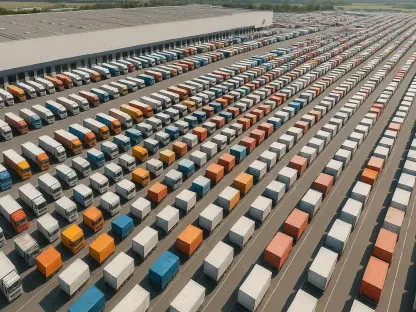
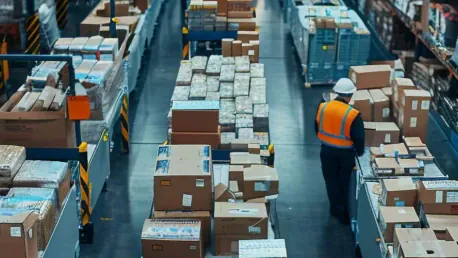
In an era where disruptions and geopolitical tensions are becoming increasingly common, the Federal government is continually challenged to keep its logistics and supply chain management systems efficient and resilient. A recent detailed article underscores the essential role of advanced

In today’s interconnected world, supply chains are increasingly vulnerable to cyber threats. As companies expand their networks, add new suppliers, and adopt advanced technologies, the complexity of managing cybersecurity risks grows. This article delves into the current state of supply chain
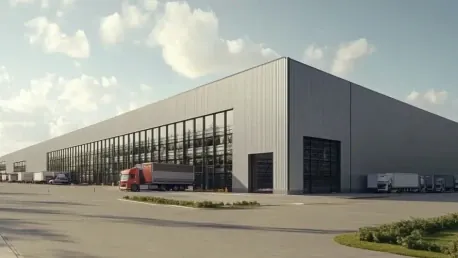
The impending closure of Palletline's logistics operation in Wrexham, North Wales, has sent shockwaves through the local community and the haulage industry. Nearly 50 jobs are at risk, and the broader economic impact could be significant for a region already facing economic challenges. This article

As Kashmir inches closer to its first assembly elections since the abrogation of Article 370, the significance of robust security and logistical arrangements cannot be overstated. The region, known for its legacy of political volatility, is poised for a critical juncture that aims to restore

Blockchain technology, initially conceived for cryptocurrency transactions, is now emerging as a game-changer for healthcare logistics. Its adoption is set to address long-standing challenges in medical supply and equipment management. This article delves into how blockchain can streamline these

IntelliShift, a pioneering fleet intelligence platform, has unveiled a new benchmarking feature designed to elevate performance standards across fleet safety and operations teams. By aggregating performance data from its extensive customer base, this groundbreaking tool offers valuable, actionable