
The global aviation landscape is currently witnessing a profound transformation as major carriers prioritize specialized logistics capabilities to secure a competitive edge in a volatile economic environment. Korean Air is actively reshaping its cargo operations to focus on high-value sectors such as pharmaceuticals, semiconductors, and luxury goods, anticipating the final integration with Asiana Airlines. This strategic pivot reflects a broader industry trend where volume alone no longer guarantees profitability; instead, precision and specialized handling have become the primary drivers of growth. By enhancing its infrastructure at Incheon International Airport, the carrier is positioning itself as a central hub for the Asia-Pacific region, ensuring that it can handle the sophisticated requirements of modern supply chains. The impending merger serves as a catalyst for these improvements, allowing for a consolidated fleet and a more streamlined approach to international trade.
Advanced Specialty Cargo Management: Technical and Quality Standards
Pharmaceutical Cold Chain and Infrastructure Precision
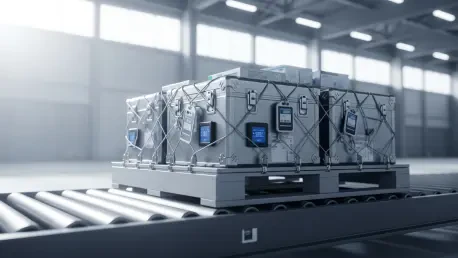
Maintaining the integrity of temperature-sensitive medical supplies requires a level of operational precision that few airlines can consistently deliver on a global scale. Korean Air has committed significant resources to expanding its pharmaceutical cold chain capabilities, leveraging advanced refrigeration technology and real-time monitoring systems to protect the efficacy of vaccines and biologics. This initiative is particularly relevant given the increasing demand for precision medicine and biotechnology products that require strictly controlled environments throughout their journey. The carrier has invested in a wide range of specialized containers, from active units that provide precise cooling to passive systems designed for extreme durability. By refining these processes, the airline ensures that it can meet the rigorous standards set by international health organizations and pharmaceutical manufacturers while optimizing its logistics operations for future growth.
International Certifications and Network Expansion
The pursuit of excellence in pharmaceutical logistics is further validated by the rigorous IATA Center of Excellence for Independent Validators in Pharmaceutical Logistics certification. This globally recognized standard ensures that every link in the transportation chain, from ground handling to flight operations, adheres to the highest safety and quality protocols. As the merger with Asiana Airlines nears completion, the combined expertise of both entities is expected to create a formidable force in the global logistics arena. Integrating Asiana’s specialized cargo routes and facilities will provide a broader network, allowing for more frequent flights and shorter transit times for time-critical medical shipments. This synergy is designed to optimize asset utilization and reduce overhead costs while simultaneously improving the service level offered to global pharmaceutical giants. The transition requires meticulous planning to align disparate systems.
High-Tech Electronics and Semiconductor Handling
South Korea’s position as a global leader in semiconductor manufacturing creates a unique opportunity for Korean Air to dominate the high-tech air freight market. The transportation of sensitive electronic components, such as microchips and silicon wafers, demands specialized handling to prevent damage from static electricity, vibrations, or humidity. To address these challenges, the airline has implemented specialized loading procedures and dedicated storage zones that utilize vibration-dampening technology and anti-static materials. These measures are critical for maintaining the functionality of the components that power everything from artificial intelligence servers to mobile devices. As global chip shortages remain a concern, the speed and reliability of air transport become indispensable for manufacturers trying to meet tight production schedules. The carrier’s focus on this sector ensures a steady flow of high-value shipments that are less susceptible to the cyclical fluctuations of consumer cargo.
Strategic Network Integration: Preparing for the Future
Luxury Retail and Digital Transparency Protocols
Beyond electronics, the expansion into high-value cargo includes the luxury goods and e-commerce sectors, where security and transparency are the most valued attributes by shippers. High-end fashion, jewelry, and luxury automotive parts require secure vaults and sophisticated tracking mechanisms to mitigate the risk of theft or loss during transit. Korean Air has introduced enhanced digital tracking platforms that provide shippers with granular visibility into the location and status of their goods at every stage of the journey. This level of transparency builds trust with premium brands that are often hesitant to use traditional air freight for their most valuable inventory. Furthermore, the integration of Asiana’s logistics network will allow for better access to key luxury markets in Europe and North America, creating a more comprehensive service offering. By combining these strengths, the airline is creating a specialized logistics ecosystem that caters to specific premium needs.
Future-Proofing the Aviation Logistics Ecosystem
The strategic realignment of cargo operations demonstrated that a focus on high-value segments provided the necessary resilience against global economic shifts. Stakeholders recognized that investing in specialized infrastructure and digital integration was the most effective way to future-proof the business model ahead of the merger. It was clear that the successful transition relied on the ability to harmonize technical standards and workforce training across both airlines to ensure a seamless customer experience. For organizations looking to replicate this success, the primary takeaway was the importance of early adoption of industry-specific certifications and advanced monitoring technologies. Leaders prioritized the development of data-driven logistics platforms that allowed for predictive maintenance and optimized routing, which significantly lowered operational risks. The focus shifted toward creating long-term partnerships with tech manufacturers rather than chasing simple volume.