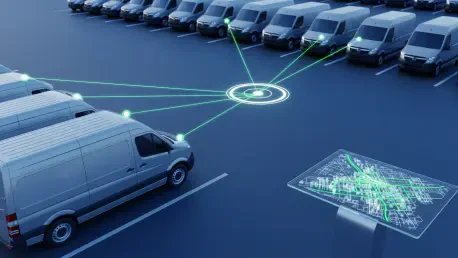

The convergence of fluctuating fuel prices, an increasingly tight labor market, and heightened customer expectations has forced logistics providers to reevaluate their traditional operational strategies. In the current economic landscape, the reliance on manual routing or static delivery schedules has become a significant liability that often leads to ballooning overhead and missed performance targets. Transport optimization technology has emerged as a critical stabilizer, providing the analytical depth necessary to navigate these volatile conditions with precision. By moving away from reactive management toward a data-driven approach, fleets can transform their operations into highly efficient systems capable of absorbing market shocks. This evolution is particularly vital in the last-mile sector, where the margin for error is razor-thin and the financial stakes are exceptionally high. Companies that leverage digital tools can mitigate risks effectively while ensuring that their service quality remains consistent despite the external pressures that characterize the logistics industry in 2026.
Financial Performance: Maximizing Discipline and Visibility
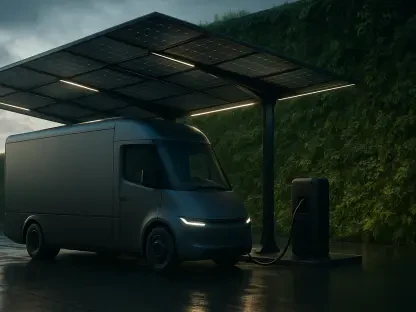
Implementing intelligent route planning does far more than just identify the shortest distance between two points; it fundamentally restructures delivery sequences to maximize asset utilization. By increasing delivery density—the number of drops made within a specific geographic area—companies can significantly reduce the cumulative mileage driven by their vehicles. This reduction translates directly into lower fuel expenditures and a slower rate of depreciation for the fleet, preserving the longevity of expensive equipment. Furthermore, sophisticated simulation tools allow fleet managers to run various “what-if” scenarios to assess the financial feasibility of potential changes. For instance, an operator might simulate the impact of introducing electric vans or adjusting delivery windows for specific urban zones before committing any capital. This proactive financial scrutiny ensures that operational growth is achieved through optimization rather than simply increasing the number of vehicles on the road.
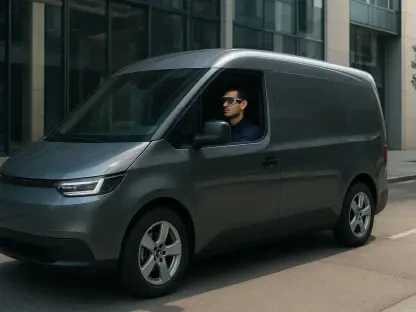
Digital optimization effectively bridges the communication gap that historically existed once a driver left the central depot for a daily route. By integrating global positioning systems and advanced telematics into a centralized management platform, fleet supervisors gain absolute visibility into real-time driver behavior and vehicle status. This continuous stream of data creates a feedback loop where the execution of a route is constantly measured against the original plan, allowing for immediate intervention if deviations occur. Such transparency is instrumental in preventing unauthorized routing changes or excessive idling, which can quietly erode profit margins over time. Moreover, if a driver encounters an unexpected road closure or mechanical issue, the system can instantly recalibrate the remaining schedule and notify affected customers. This level of agility ensures that high service levels are maintained without requiring constant manual oversight, allowing the workforce to focus on high-value tasks.
Green Logistics: Sustainability and Advanced Analytics
Sustainability has evolved from a secondary corporate social responsibility objective into a core operational necessity that directly impacts a company’s market competitiveness. Optimization software plays a pivotal role in this transition by minimizing the environmental footprint of large-scale logistics operations through the elimination of redundant mileage. Features like green delivery windows offer a practical way to engage customers in the efficiency process by incentivizing them to select time slots that align with existing delivery routes in their immediate neighborhood. This approach not only reduces the carbon emissions associated with each drop but also builds a brand image that resonates with environmentally conscious consumers who prioritize ethical supply chains. By reducing the frequency of failed deliveries and the subsequent need for second-trip attempts, these digital tools drastically lower the overall energy intensity of the last-mile ecosystem. Consequently, fleets can meet their emissions targets while lowering costs.
The integration of Artificial Intelligence and predictive analytics has revolutionized the way logistics companies interpret historical data to improve future performance. Unlike traditional systems that rely on static rules, AI-driven platforms can analyze massive datasets to identify subtle patterns in urban traffic flow, seasonal demand spikes, and individual customer delivery preferences. This capability shifts the management paradigm from descriptive to predictive, allowing operators to anticipate potential disruptions long before they manifest on the road. For example, a system might predict a slowdown in a specific industrial corridor based on recurring historical patterns and proactively reroute vehicles to avoid the bottleneck. As these machine learning algorithms process more information over time, the accuracy of delivery windows and route duration estimates continues to improve. This continuous refinement is essential for meeting strict service-level agreements in a landscape where consumers expect nearly perfect delivery precision.
Strategic Integration: Achieving Long-Term Resilience
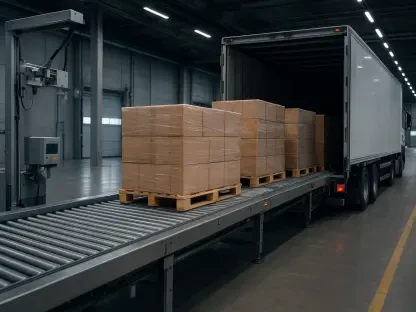
Effective fleet performance also depends on strategic depot management and the seamless integration of technology across the broader supply chain. By using sophisticated software to balance dispatch locations based on real-time demand and warehouse capacity, businesses can prevent regional hubs from becoming overwhelmed. This holistic view allows for the smooth flow of goods and more efficient handling of reverse logistics, ensuring that customer returns do not disrupt the outward delivery cycle. Furthermore, connecting routing software with Enterprise Resource Planning and Warehouse Management Systems creates a unified data environment that significantly reduces administrative overhead and human error. This technological cohesion not only builds operational resilience but also improves the overall driver experience by providing realistic schedules that account for real-world constraints. In an industry where talent retention is vital, providing drivers with the tools to succeed remains a top priority.
The implementation of these advanced optimization strategies ultimately required a comprehensive overhaul of traditional management philosophies and a commitment to data transparency. Fleet operators who successfully navigated this transition focused on establishing a robust digital foundation that allowed for the seamless exchange of information across all levels of the supply chain. They moved away from reactive scheduling and instead utilized predictive models to manage labor resources and vehicle maintenance cycles more effectively. This proactive stance not only improved the bottom line but also enhanced the overall safety and satisfaction of the workforce, as drivers were no longer forced to contend with unrealistic or poorly planned routes. By prioritizing long-term resilience over short-term cost-cutting, these businesses positioned themselves to thrive in an increasingly complex and demanding global market. The era of manual logistics ended as precision-based optimization became the definitive standard.